




Black Pine: Nature's Resilient Tree
Table of Contents
Resilient enough to withstand harsh climates and capable of thriving in challenging environments, the black pine is one of nature's most remarkable tree species. Widely found across Türkiye's forests, it stands out not only for its durability but also for the vital role it plays in supporting healthy ecosystems.
But what makes black pine so important? How has it adapted over millions of years of evolution? And why is it one of the species we use in our ecosystem restoration projects at ecording?
Let's explore the story of the black pine and its contribution to nature.
1. What Is a Black Pine and Where Does It Grow?
The black pine (Pinus nigra) is a long-lived conifer known for its resilience to harsh environmental conditions.
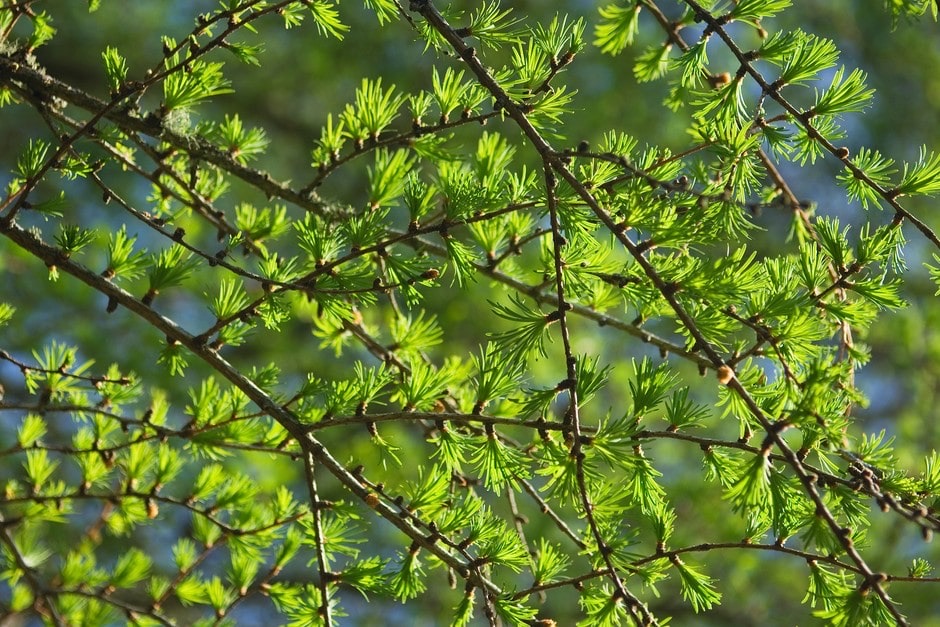
It is widely distributed throughout Türkiye's mountainous regions, particularly across the Aegean, Mediterranean, and Central Anatolian regions.
Black pine can grow from sea level to elevations of approximately 2,000 meters. Its ability to thrive even in poor, rocky soils makes it an important species for erosion control and landscape restoration.
Its resilience and adaptability help strengthen forest ecosystems while providing long-term environmental benefits.
Key Characteristics
- Scientific name: Pinus nigra
- Family: Pinaceae
- Lifespan: More than 300 years
- Height: Typically grows between 20 and 55 meters
- Growth rate: Moderate
- Root system: Deep and extensive, helping stabilize soil and reduce erosion
- Distribution: Found across Europe, Türkiye, North Africa, and Western Asia
- Preferred habitat: Adapted to rocky, nutrient-poor, and dry soils, with excellent tolerance to both drought and cold temperatures
The Growth and Reproductive Cycle of Black Pine
Black pine has evolved an efficient reproductive strategy that enables it to thrive in dynamic natural environments.
Its cones are pollinated by wind, allowing seeds to develop and disperse naturally.
Once released, seeds germinate under suitable environmental conditions, particularly in open areas where competition from other vegetation is limited.
Although young black pines grow relatively slowly during their early years, they invest heavily in developing deep root systems.
As these roots become established, growth accelerates, allowing the trees to mature into resilient forest ecosystems over the following decades.
This natural cycle supports the long-term regeneration and continuity of black pine forests.
2. The Evolutionary History of Black Pine
Black pine has an evolutionary history dating back approximately 50 million years.
Over millions of years, it has adapted to a wide range of climates, elevations, and soil conditions, enabling it to spread across diverse landscapes throughout Europe and the Mediterranean region.
This remarkable adaptability is one of the main reasons healthy black pine populations continue to thrive across many regions of Türkiye today.
3. How Does Black Pine Survive in Harsh Conditions?
Black pine is well known for its ability to withstand extreme weather conditions and nutrient-poor soils.
Its resilience is largely due to its deep root system and thick, resin-rich bark.
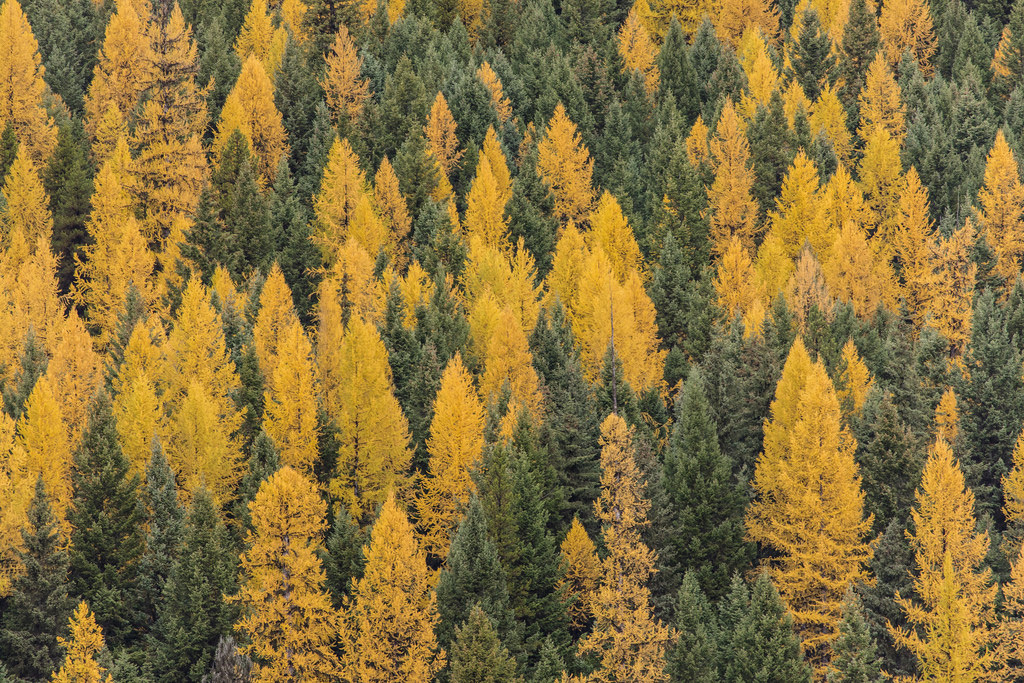
The roots allow the tree to access water deep below the surface, helping it survive prolonged droughts and withstand strong winds.
Its resin also provides a natural defense against many insects and diseases, increasing the tree's long-term resilience.
These characteristics make black pine one of the most durable native tree species in Türkiye.
4. Why Is Black Pine Preferred in Ecological Restoration Projects?
Black pine is frequently used in ecosystem restoration because of its ability to establish itself in degraded landscapes where many other species struggle to survive.
Its tolerance to drought, poor soils, and harsh climatic conditions makes it particularly valuable for:
- erosion control,
- restoring degraded landscapes,
- combating desertification,
- increasing long-term carbon storage,
- strengthening ecosystem resilience.
These qualities are precisely why black pine plays an important role in many of our ecosystem restoration projects.
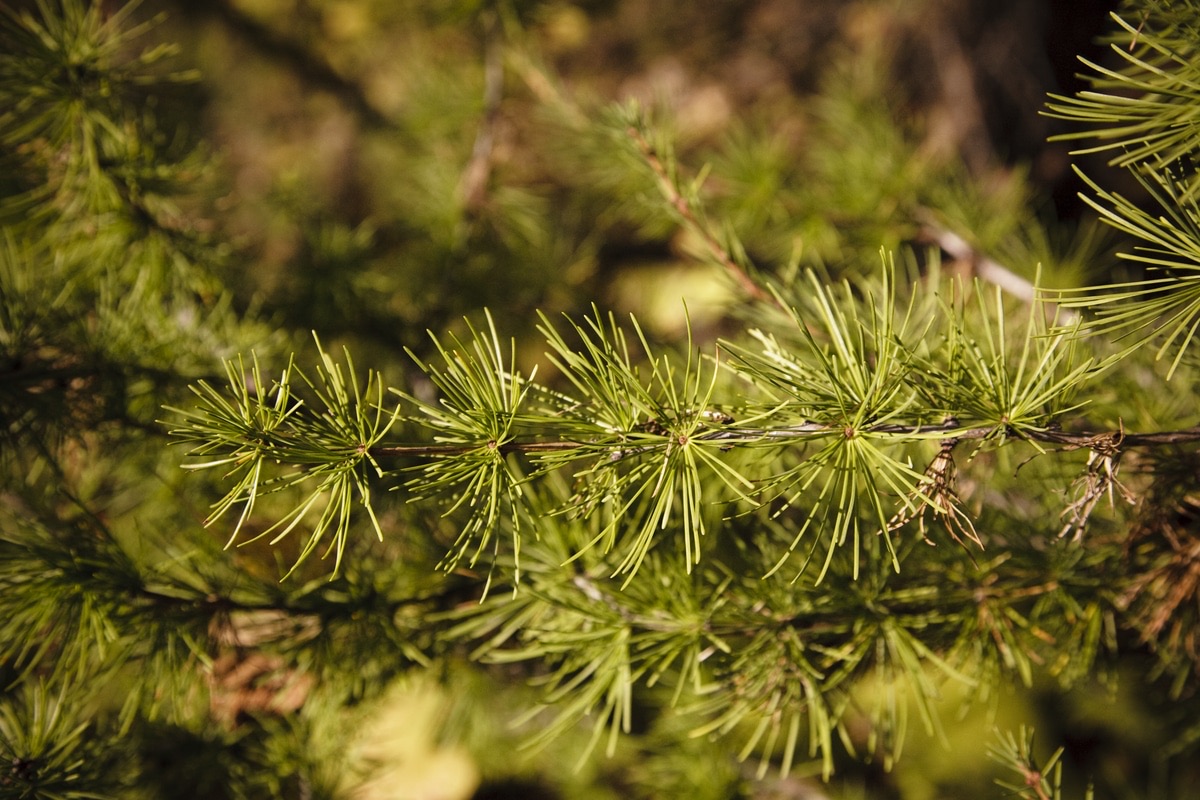
At ecording, the black pine (Pinus nigra) seeds dispersed through our ecoDrone technology contribute to restoring degraded landscapes and supporting the long-term recovery of forest ecosystems.
5. How Do We Sow Black Pine Seeds with ecoDrone?
At ecording, we use ecoDrone, our unmanned aerial ecosystem restoration technology, to disperse black pine seeds across landscapes that require ecological restoration.
Compared with conventional planting methods, aerial seed dispersal enables restoration efforts to be carried out more efficiently, more safely, and across larger areas — particularly in locations that are difficult to access on foot.
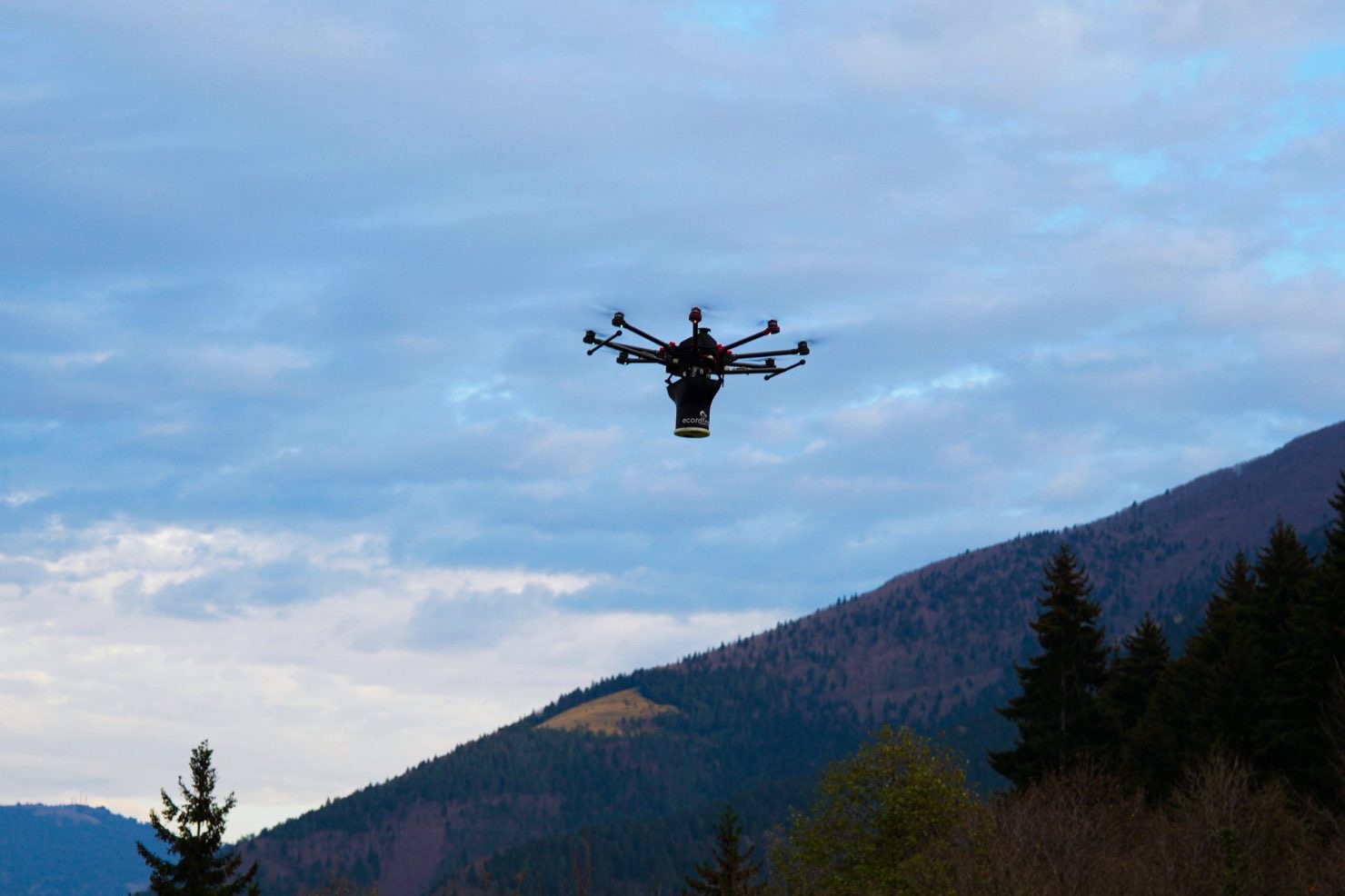
Our restoration work primarily focuses on:
- areas at medium and high elevations that are increasingly vulnerable to climate change,
- landscapes at risk of losing their forest characteristics,
- erosion-prone areas,
- regions requiring restoration and rehabilitation following wildfires.
By supporting natural regeneration in these environments, we help strengthen ecosystem resilience and contribute to the long-term recovery of forest landscapes.
Learn more about ecoDrone.