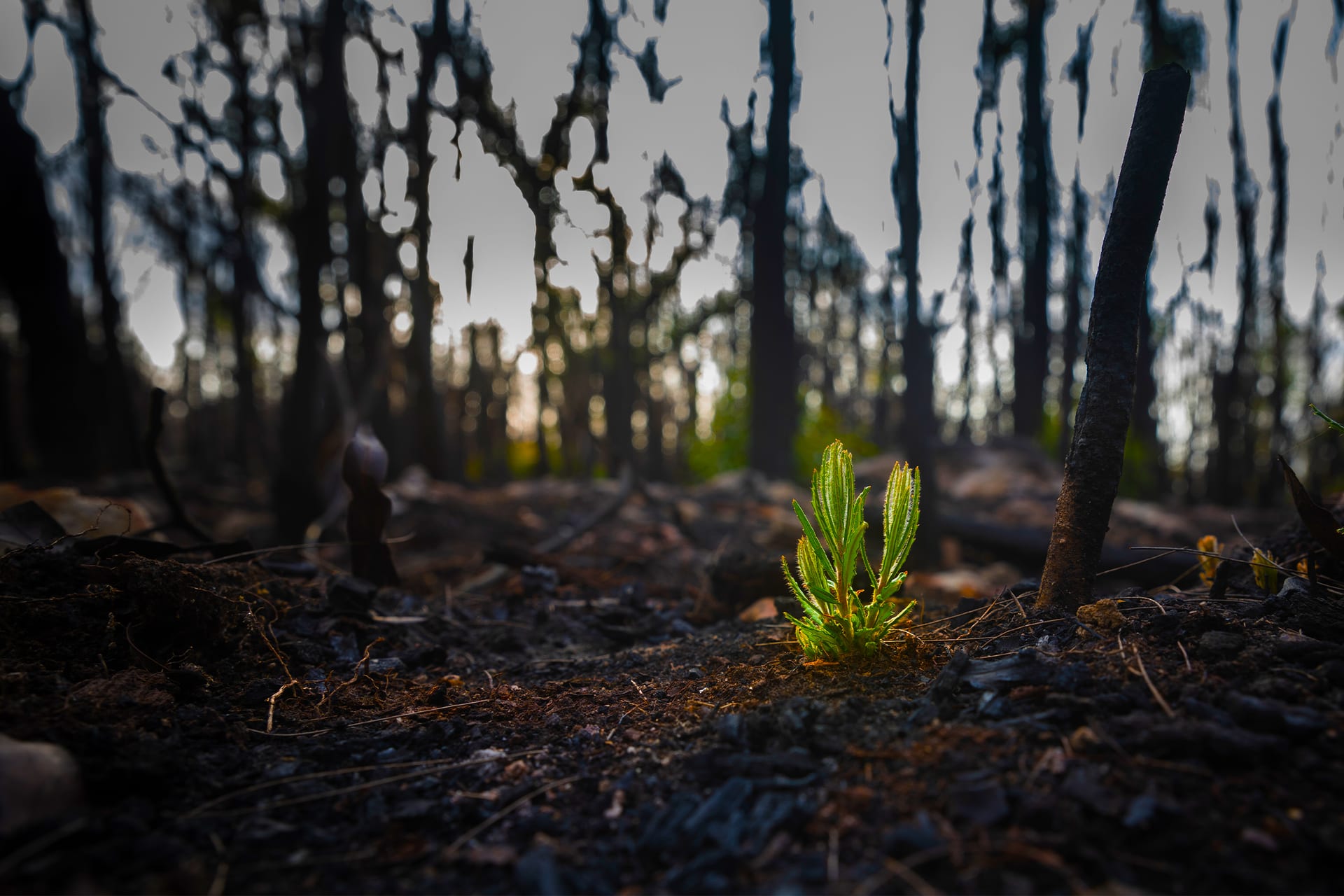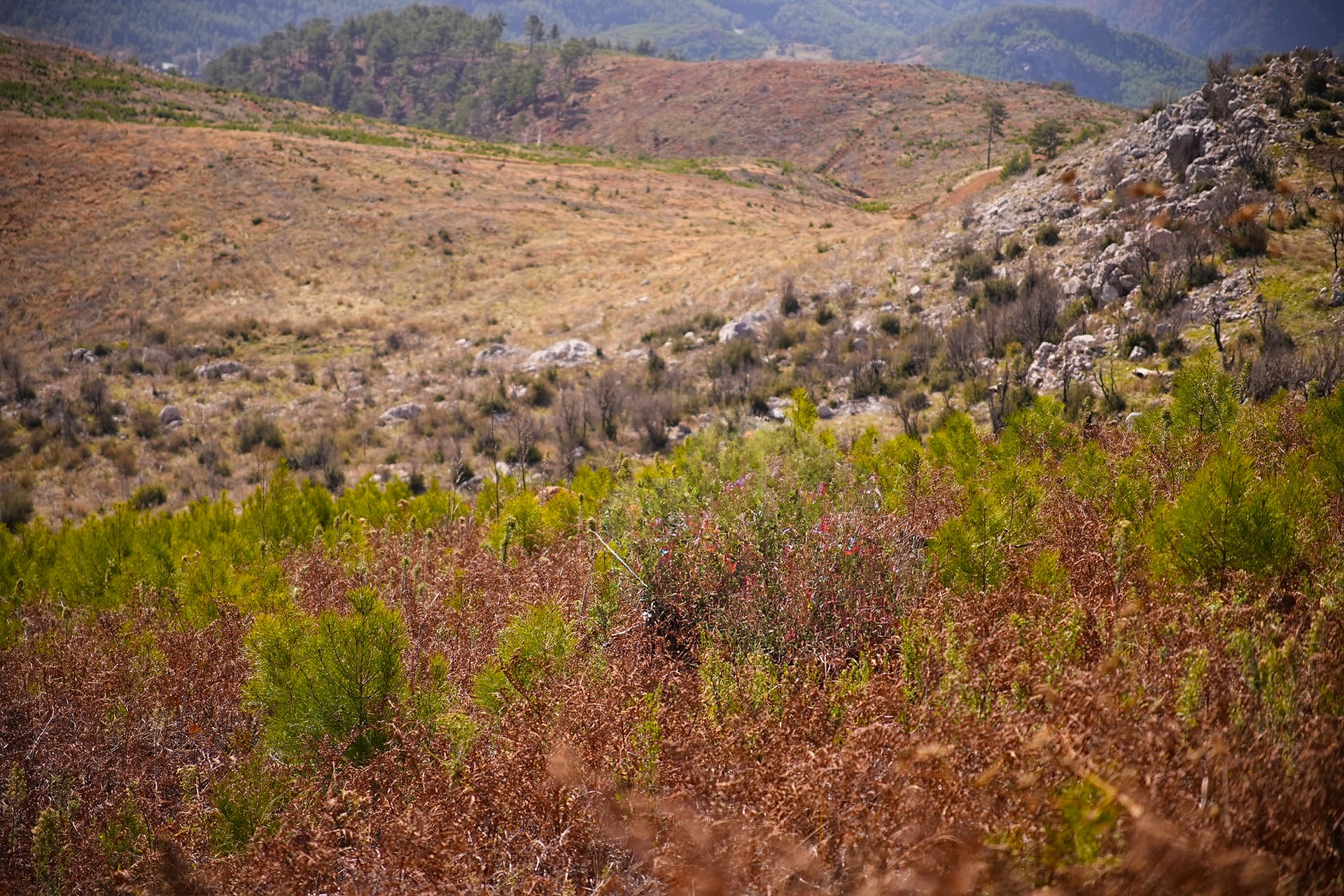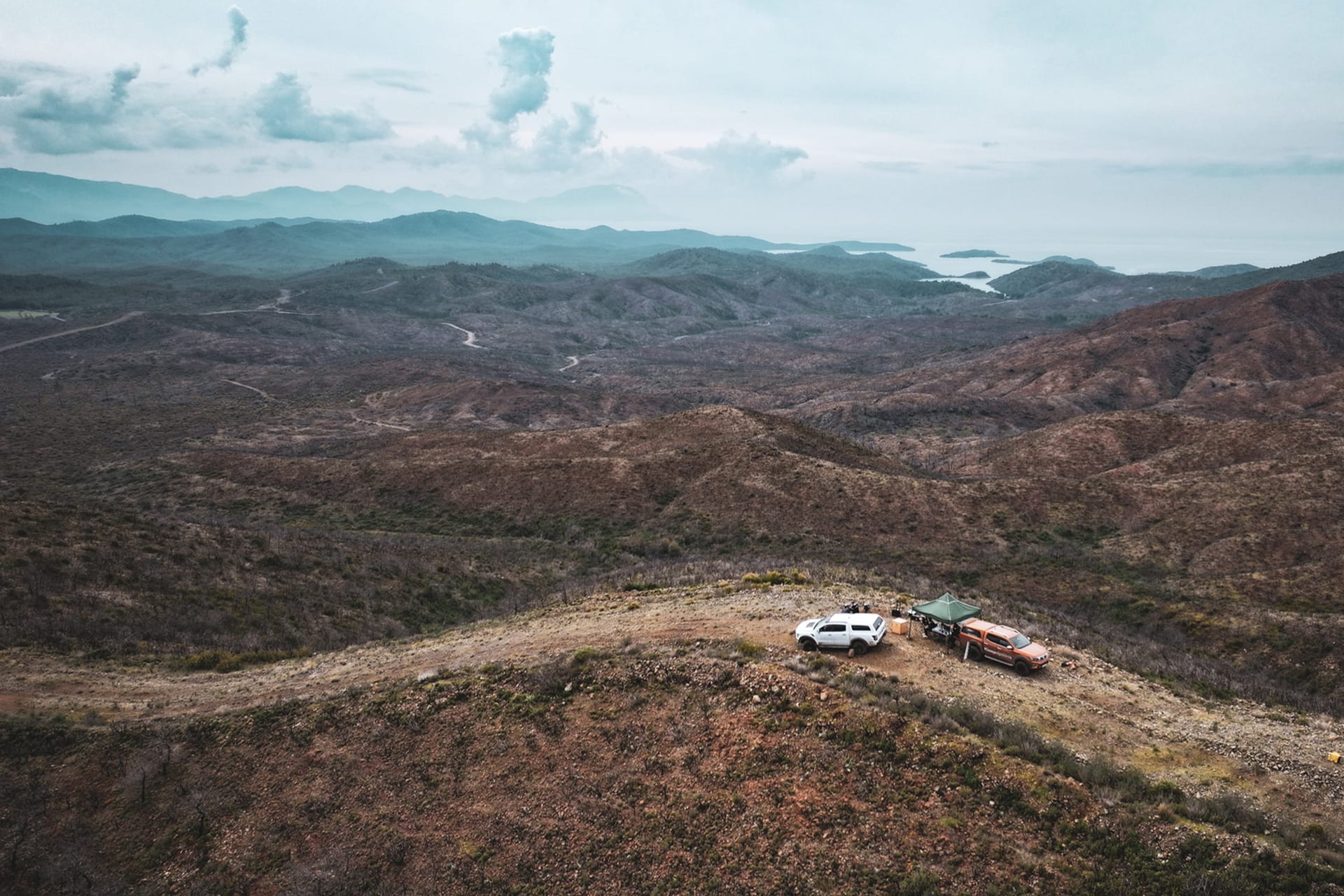
We work in sites where ground-based planting is difficult.
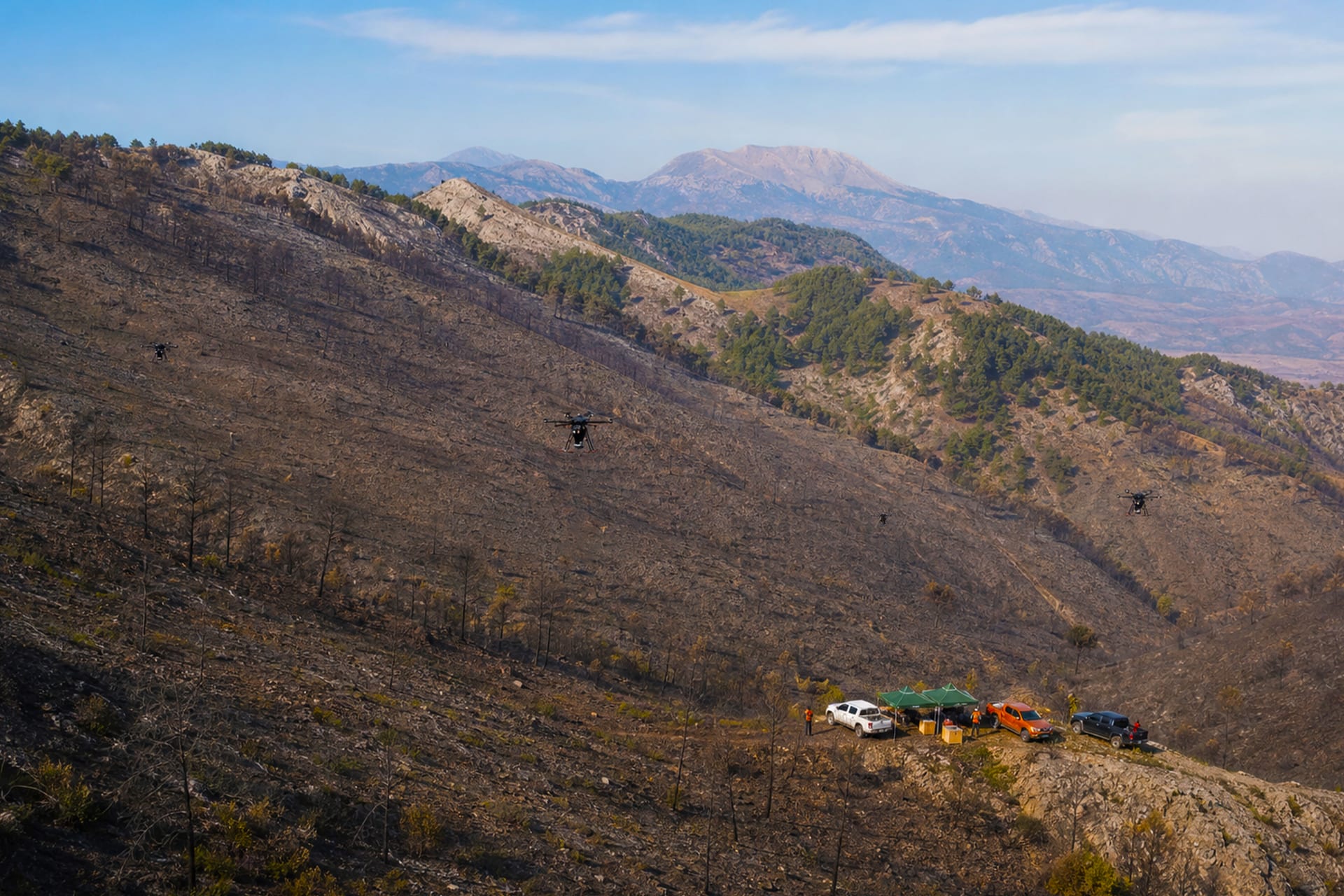
We work in fire-affected landscapes, areas at risk of erosion and sensitive sites where ground-based planting is difficult or could disturb the ecosystem.
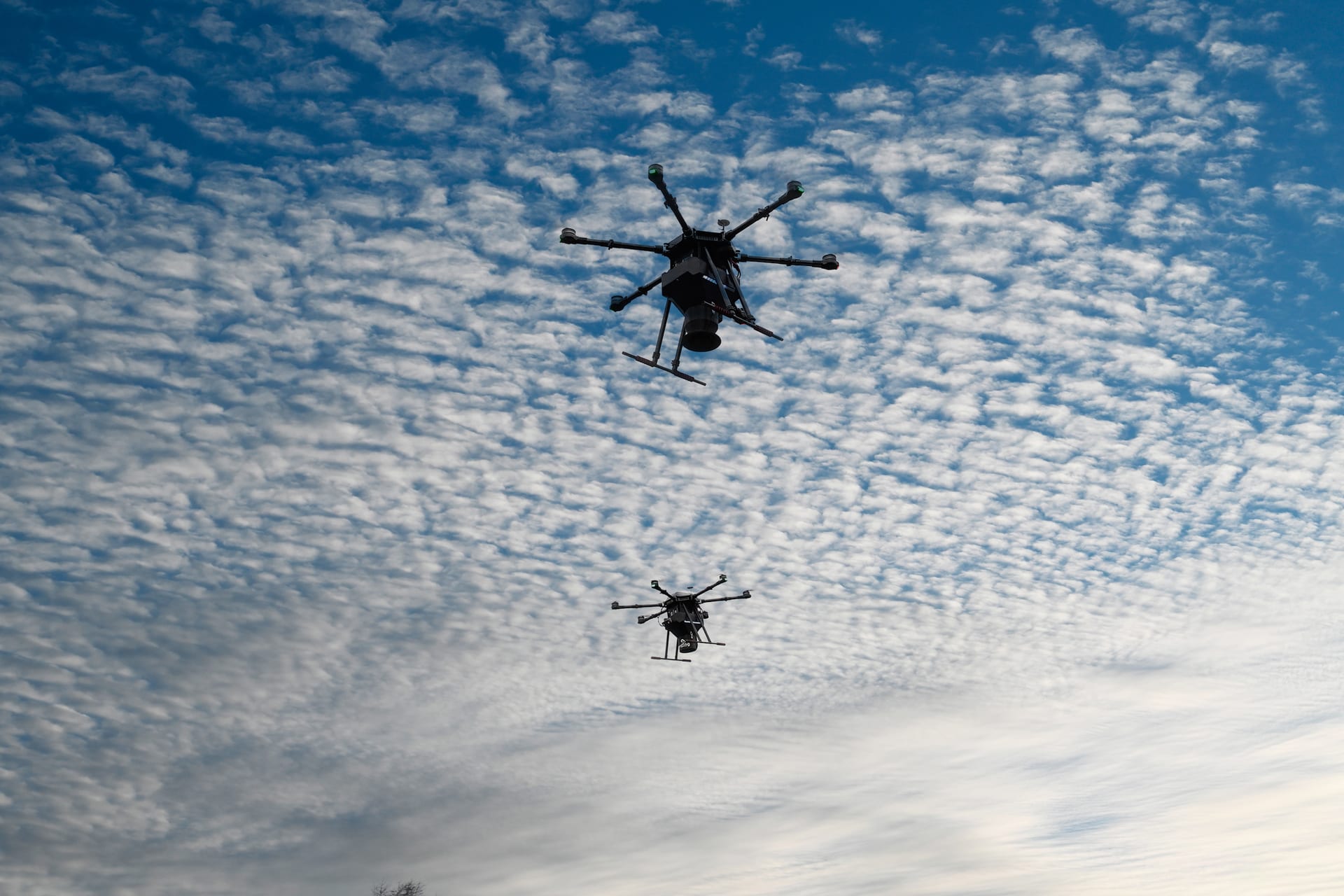
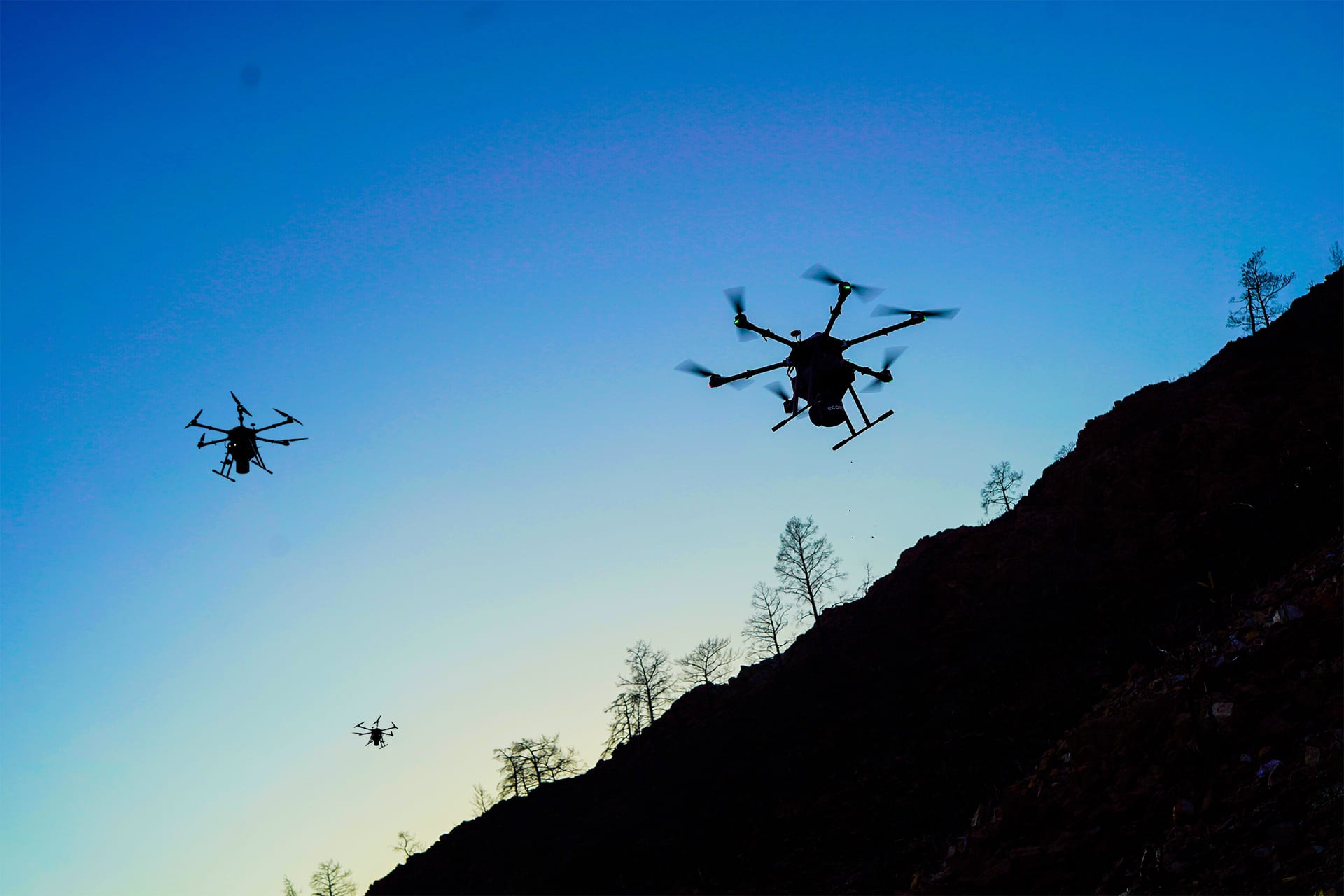
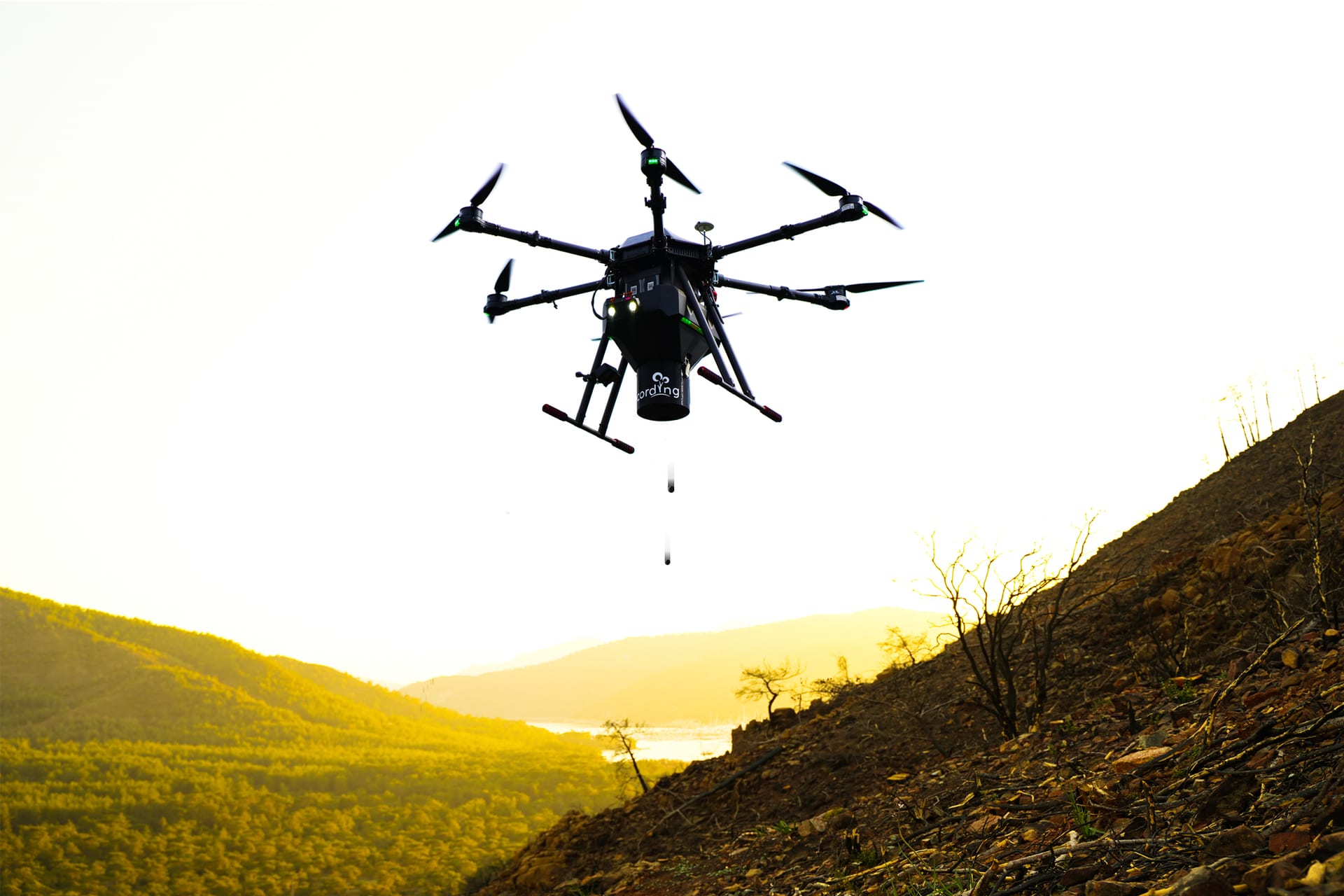
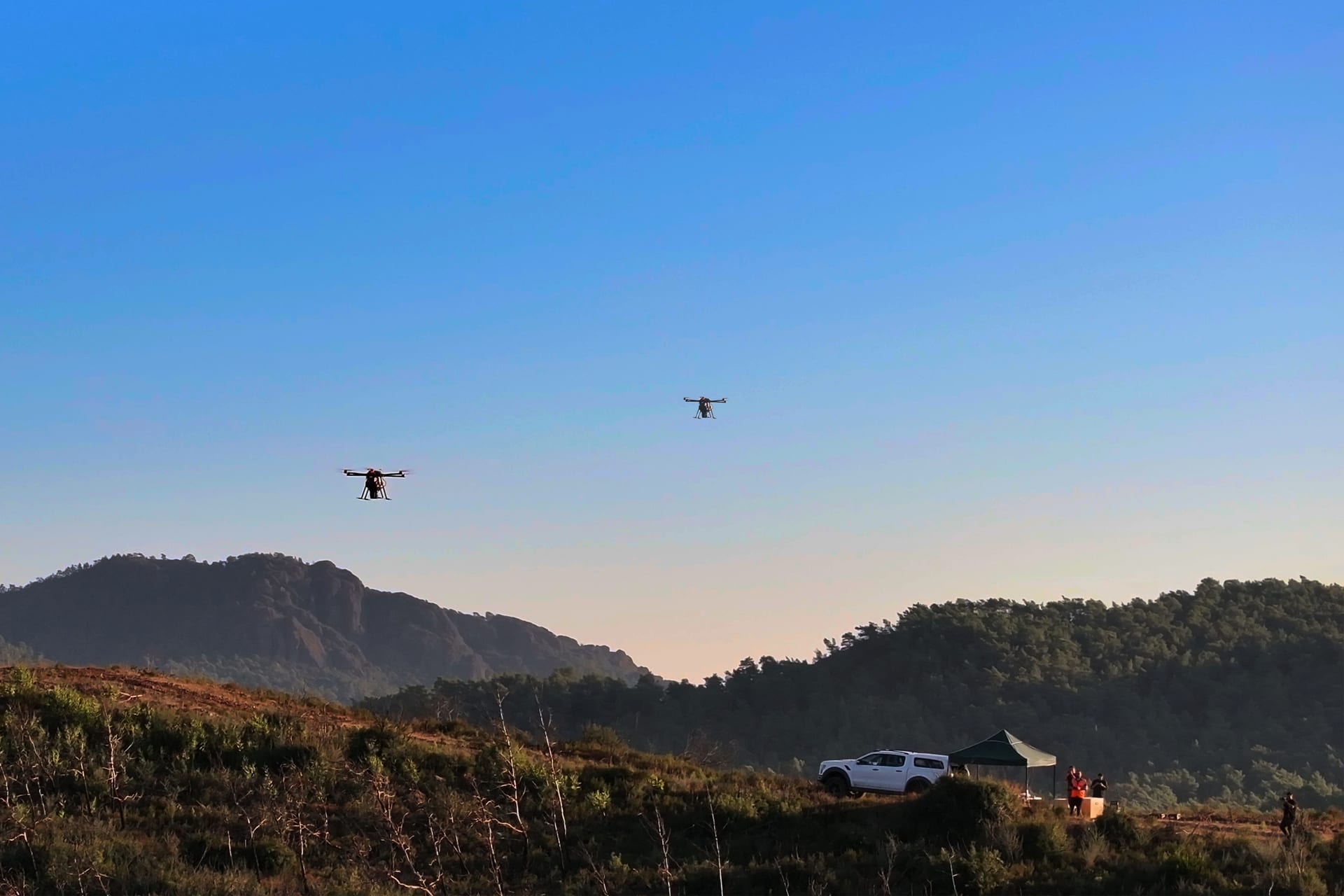
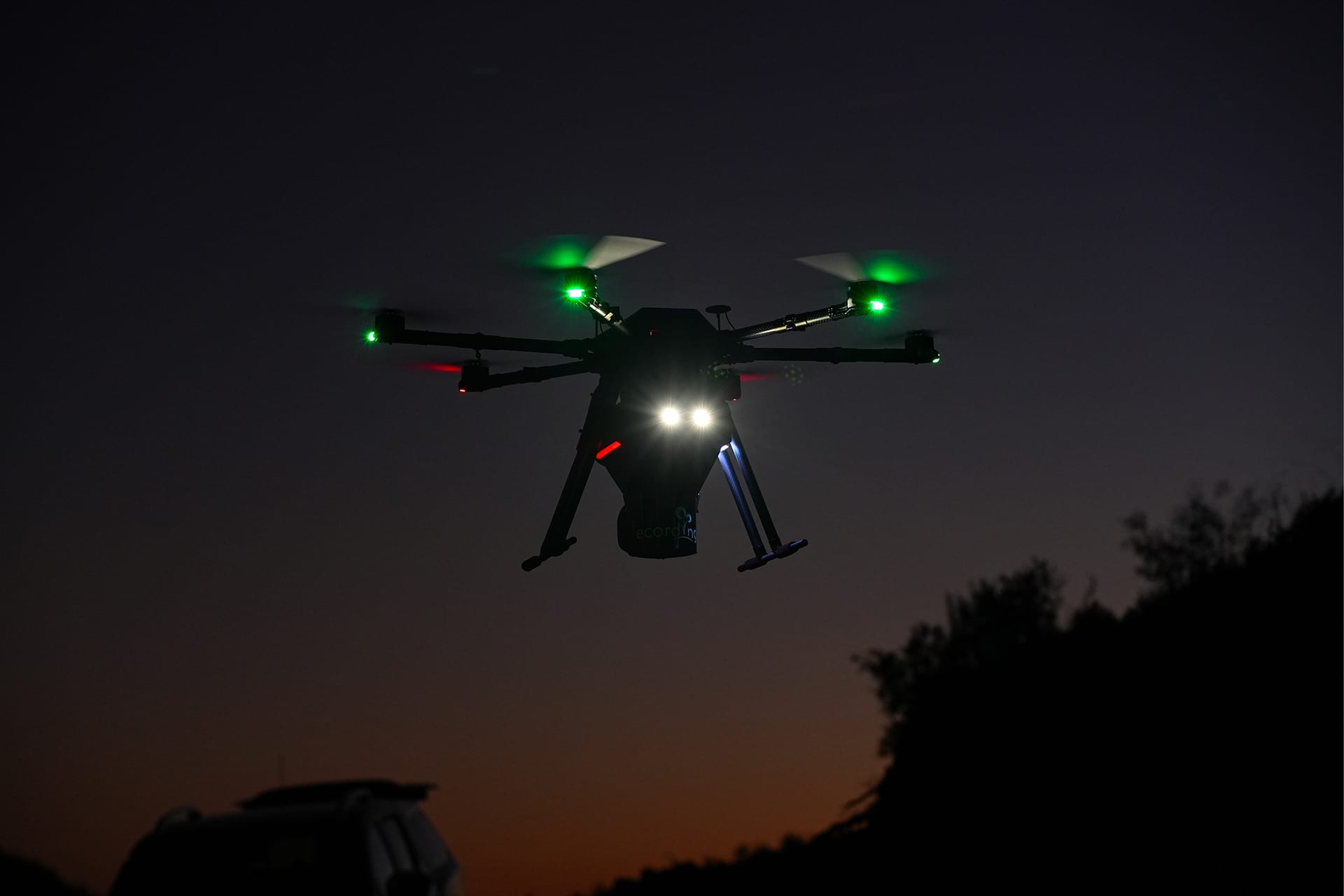
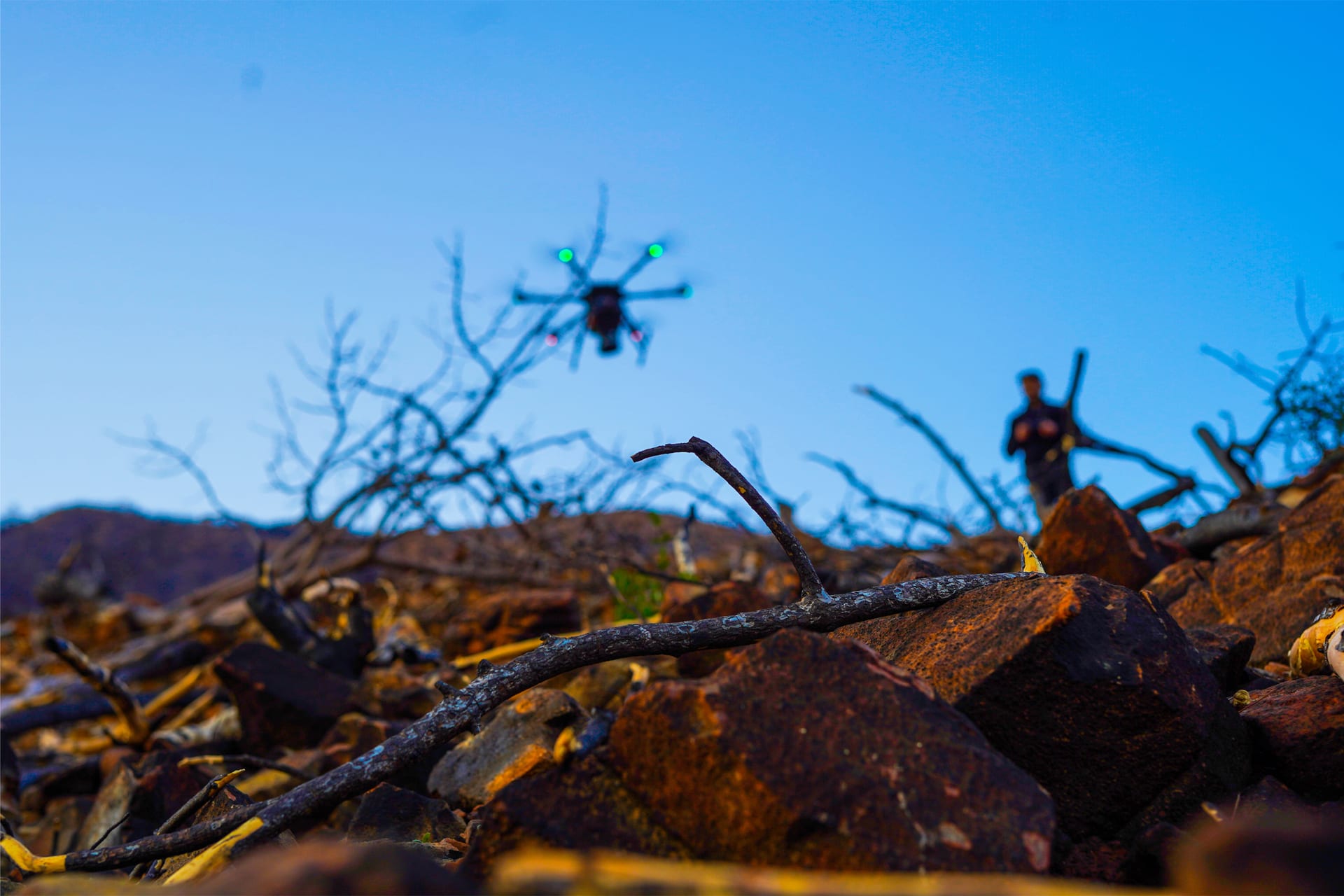
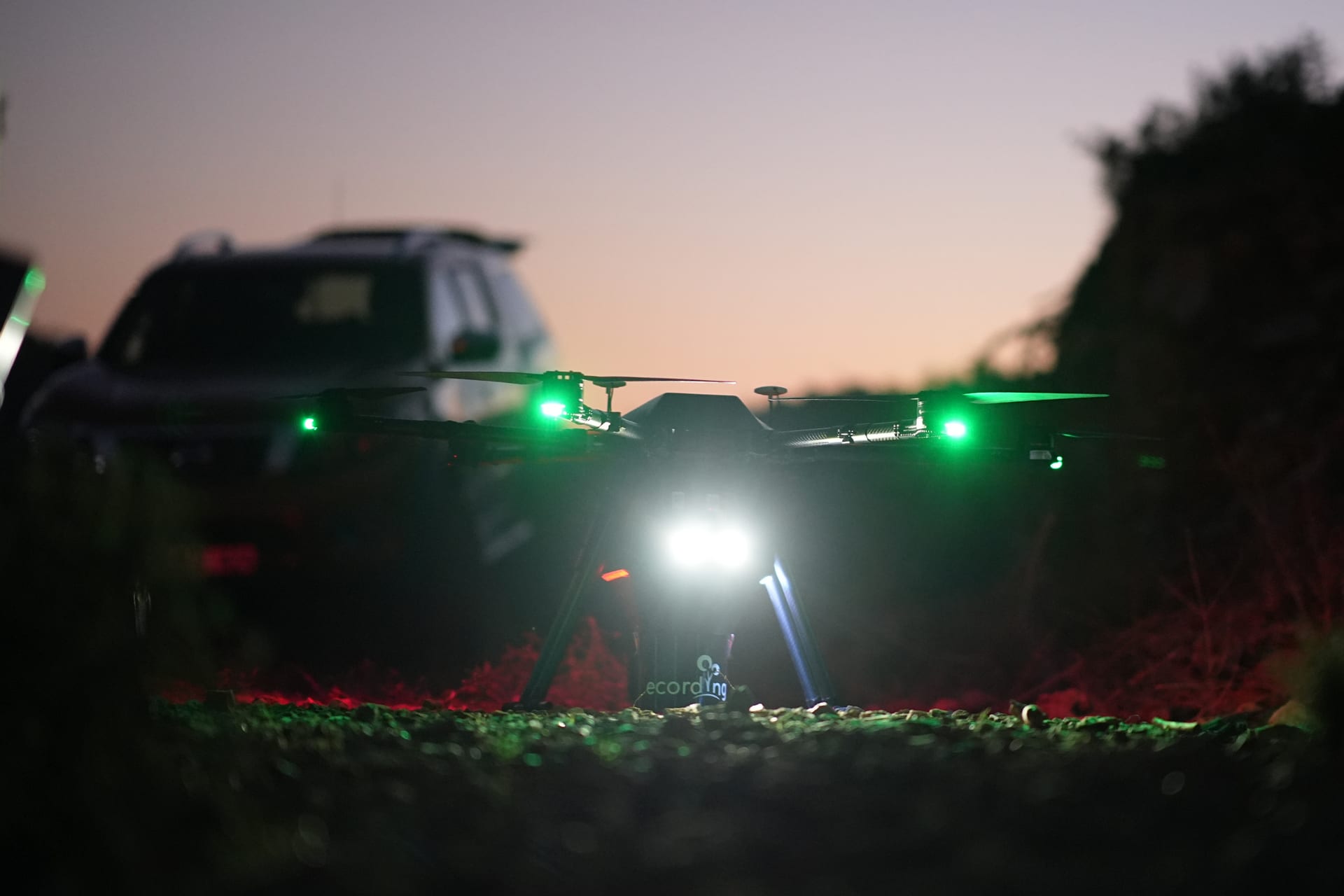
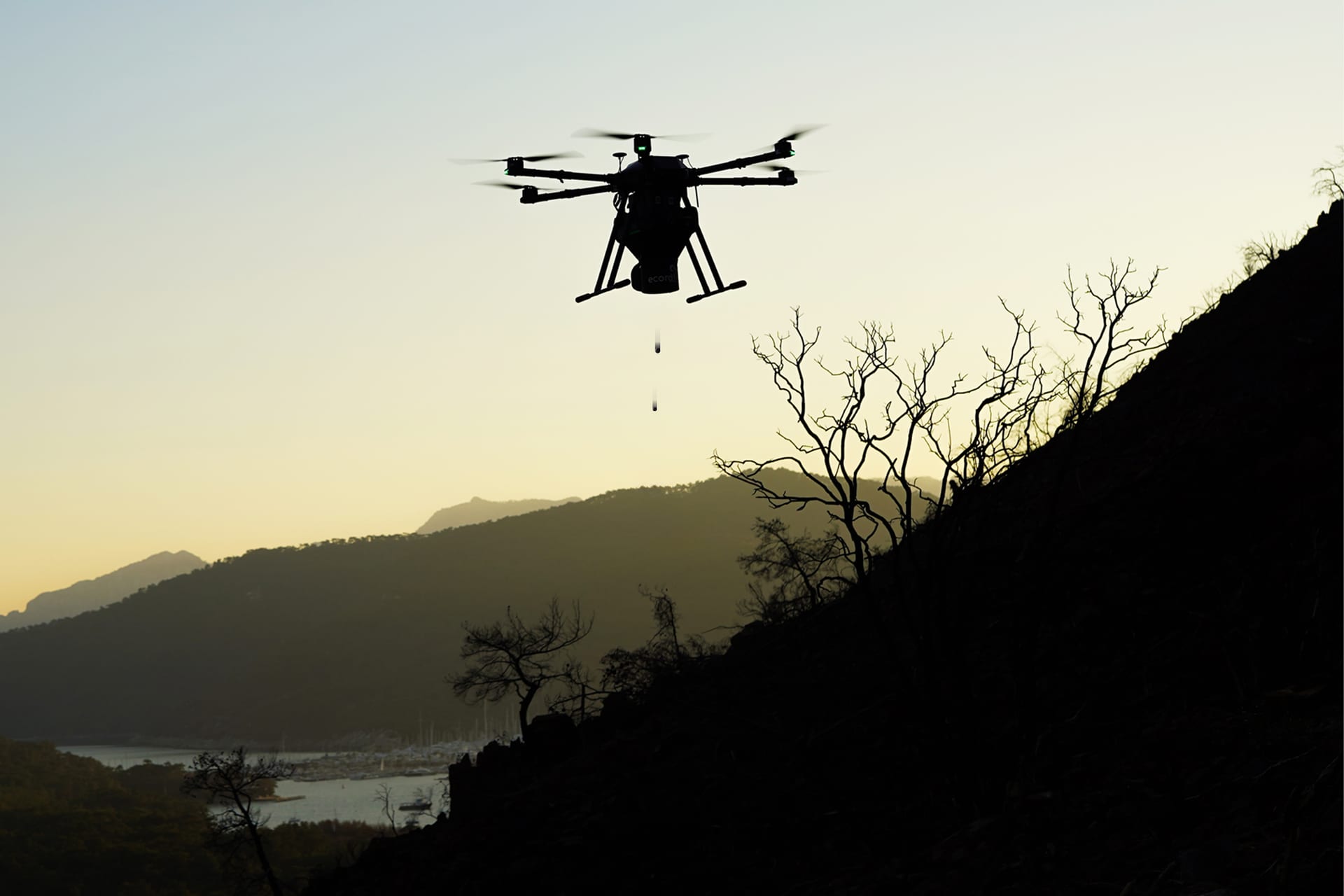
ecoDrone is a smart UAV technology that restores degraded land in hard-to-reach areas and revives ecosystems.
Developed by ecording in Türkiye.
Global Actor UN Decade on Ecosystem Restoration
Built to reach further.
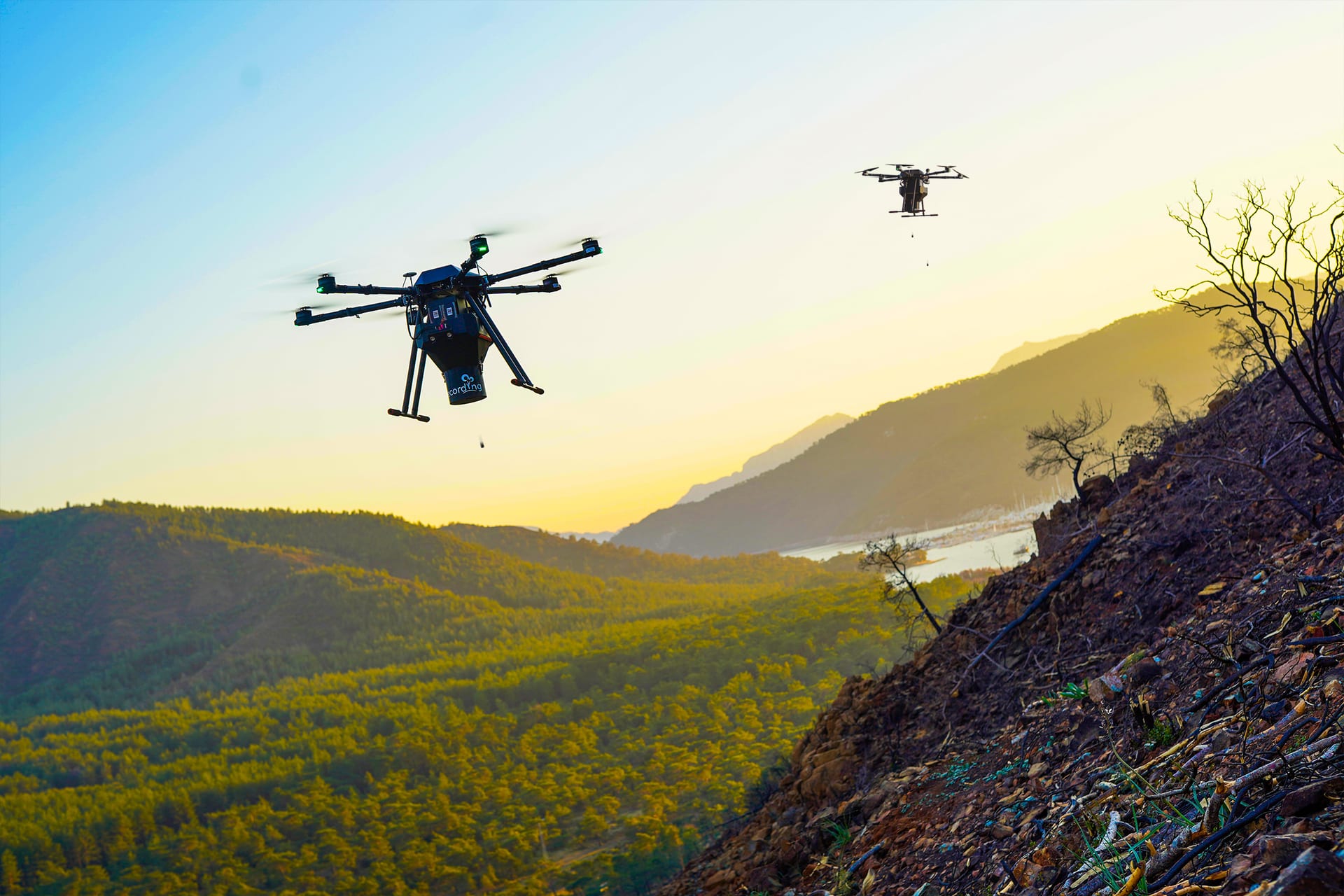
Each ecoDrone can operate across an area the size of 21 football fields in a single day.
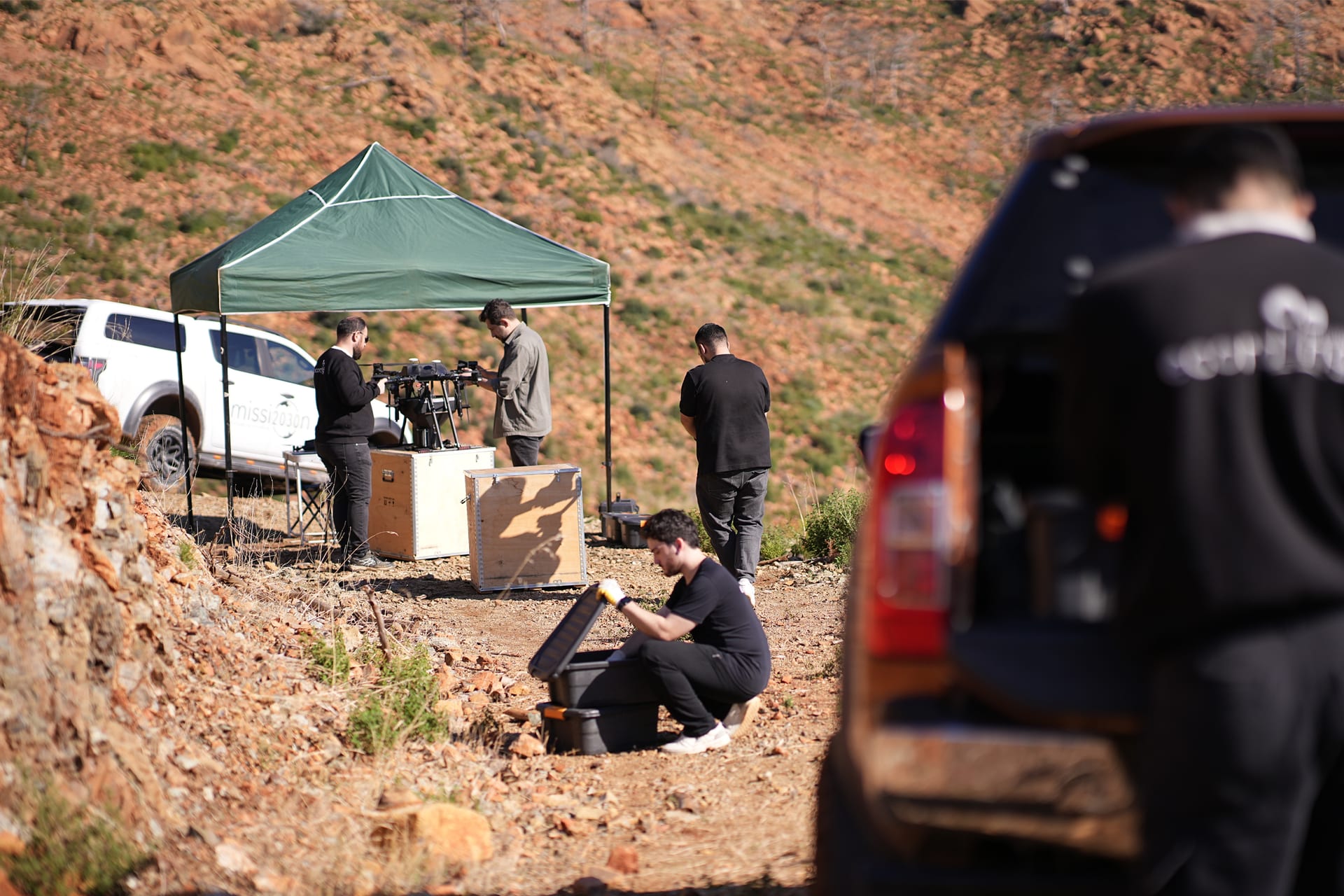
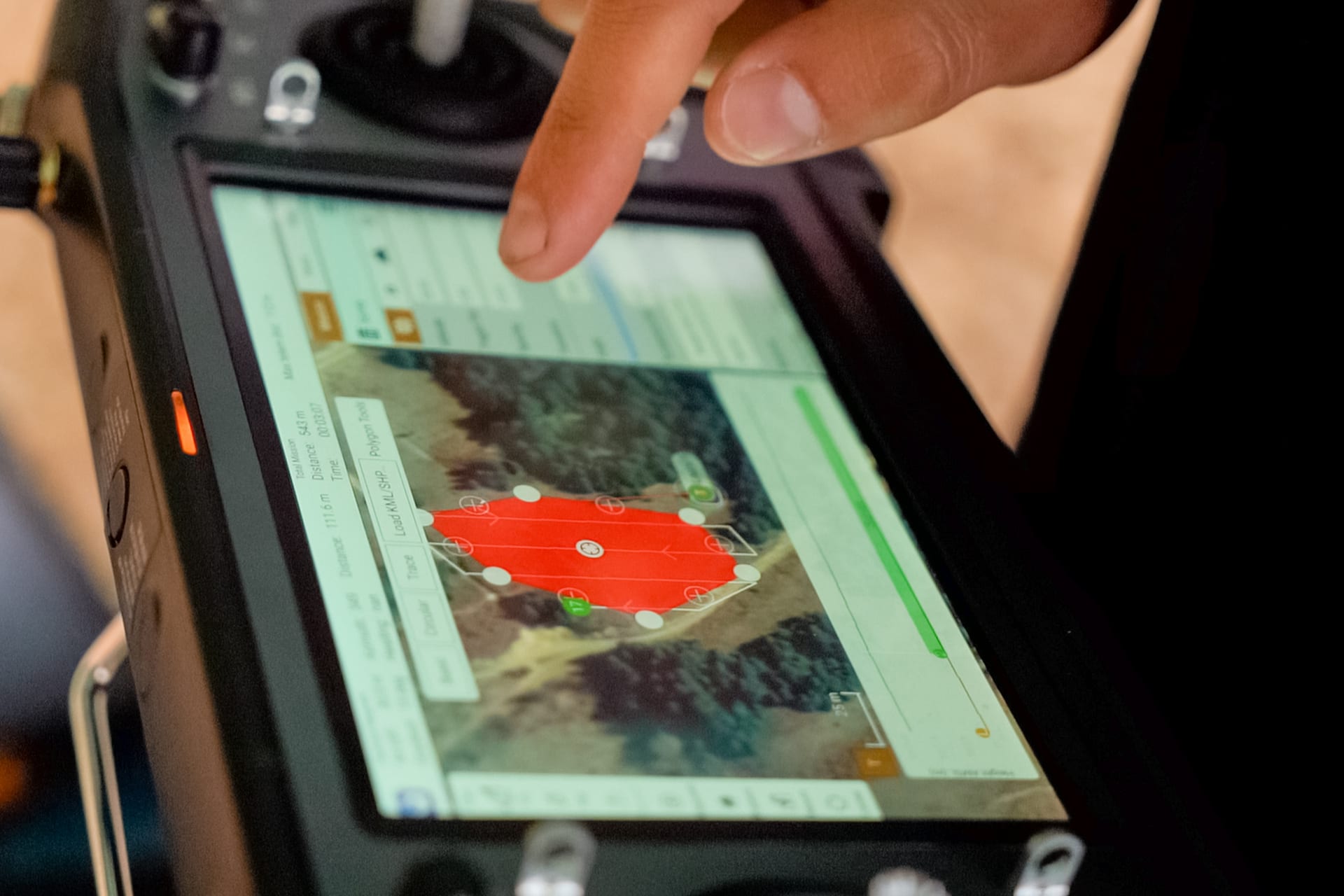
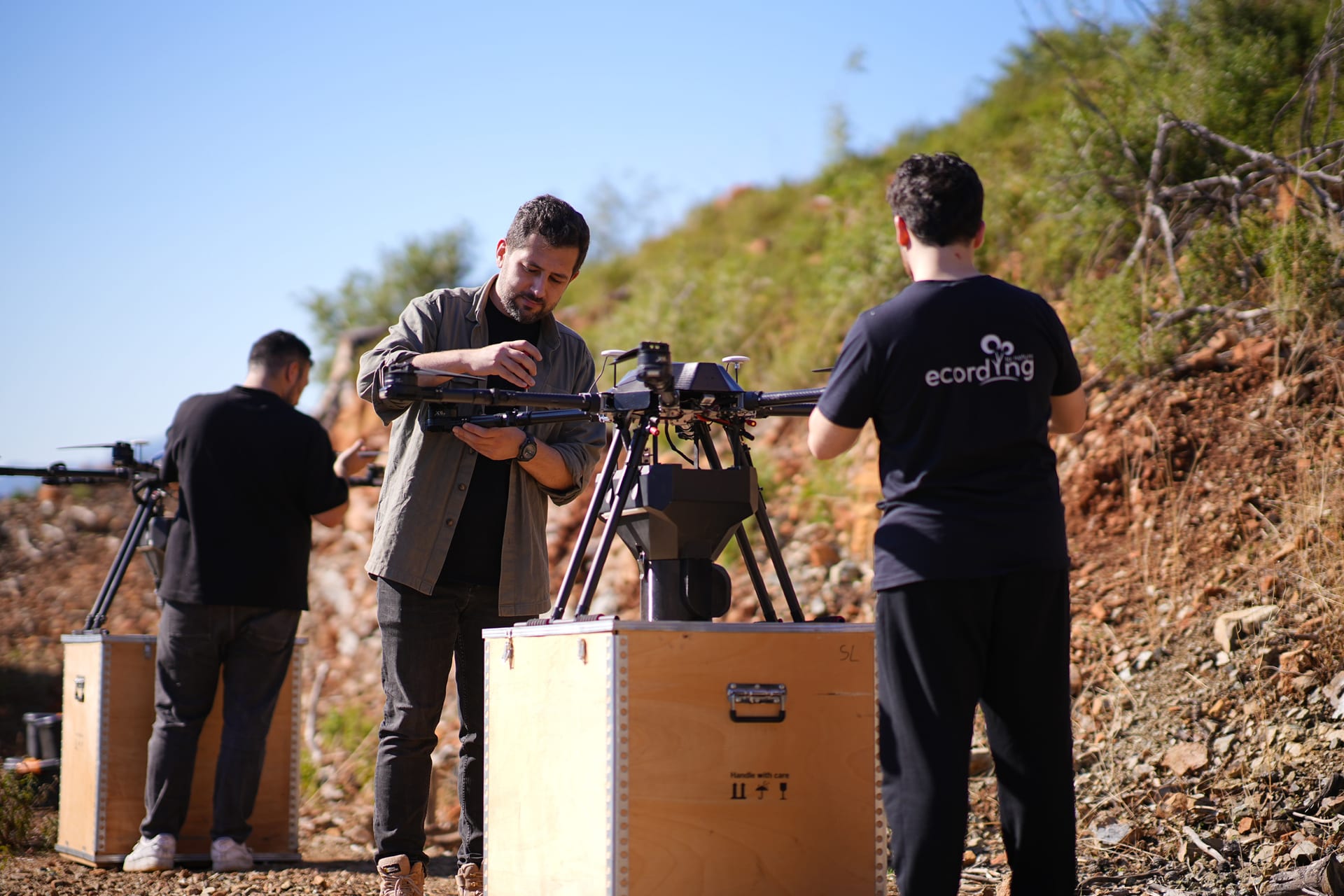
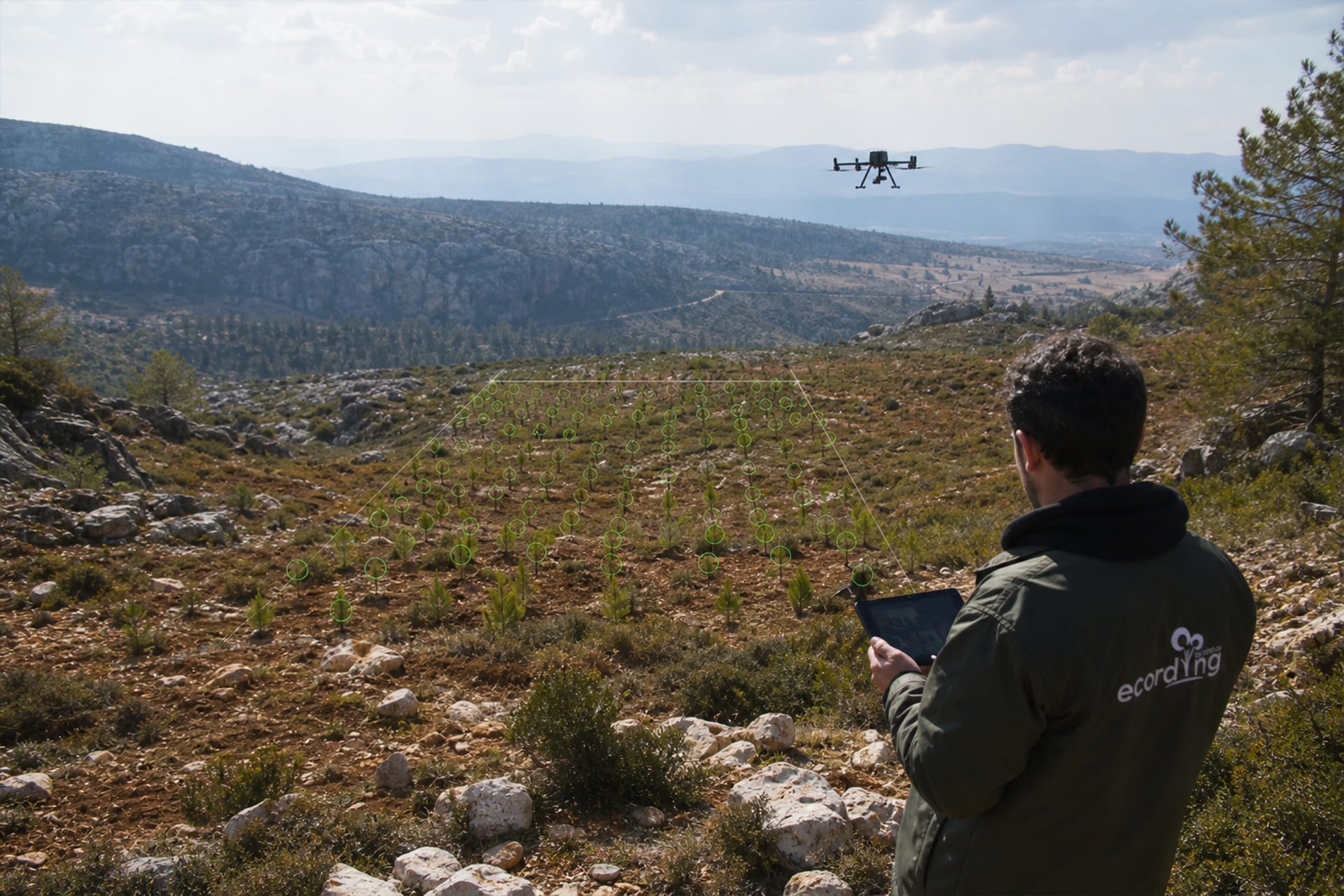
Our team plans flight routes and seed density before each operation. During the planting season, ecoDrones carry prepared seeds across the selected site, helping us work over large areas and reach terrain that is difficult to access on foot.
21football fieldsDaily operating capacity Capacity varies with terrain, weather and the planting plan.
2kmOperational range
We work in sites where ground-based planting is difficult.
We work in fire-affected landscapes, areas at risk of erosion and sensitive sites where ground-based planting is difficult or could disturb the ecosystem.
Birds carry seeds to new places. ecoDrone plants where natural seed spread needs support.
Birds carry seeds to new places. ecoDrone takes inspiration from this natural process, planting seeds where natural seed spread needs support. Each site is assessed to determine whether aerial seed planting is suitable.
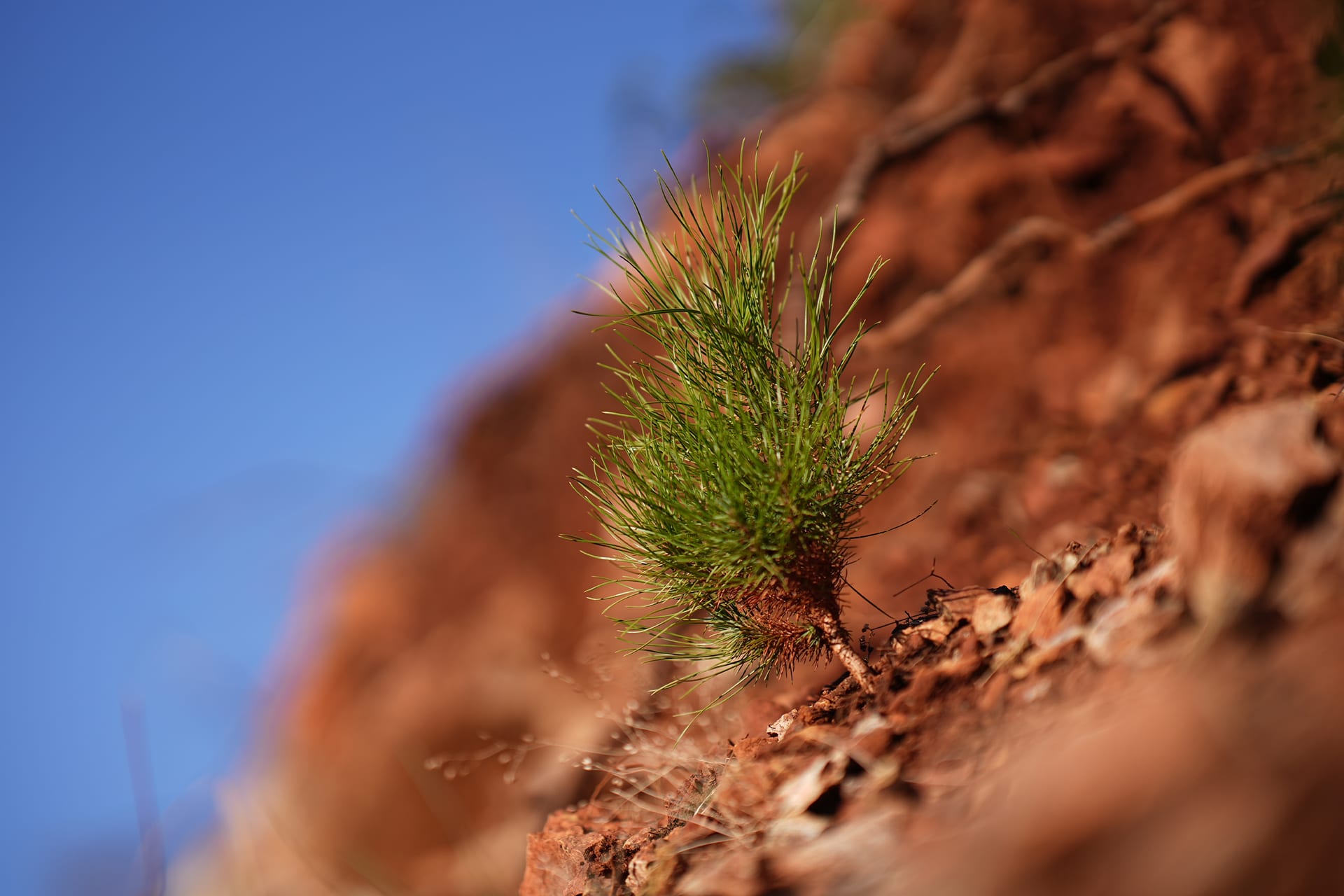
Our work in Türkiye has built experience with Mediterranean forest ecosystems.
Our work in Türkiye has built experience with Mediterranean forest ecosystems, including Turkish red pine and other regional species. Planting plans combine suitable tree, shrub and plant species to support biodiversity.
Post-wildfire restoration and biodiversity projects.
For operations in Türkiye, we work with the General Directorate of Forestry (OGM) and academic partners.
Step 1
We assess and map the site, select suitable local species and define seed density. Planting dates and flight routes are planned around the terrain and seasonal conditions, with technical guidance from forestry and academic partners.
Step 2
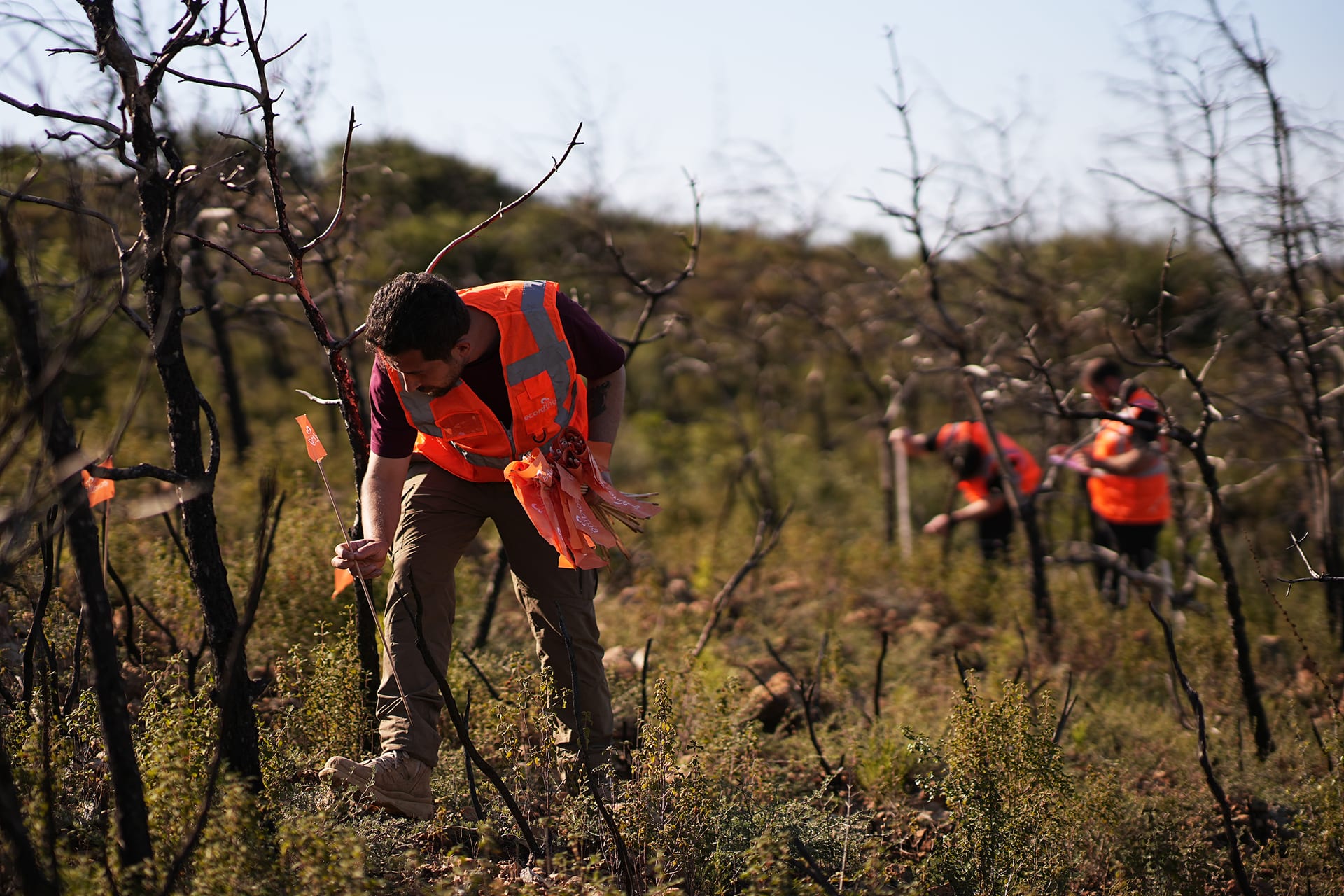
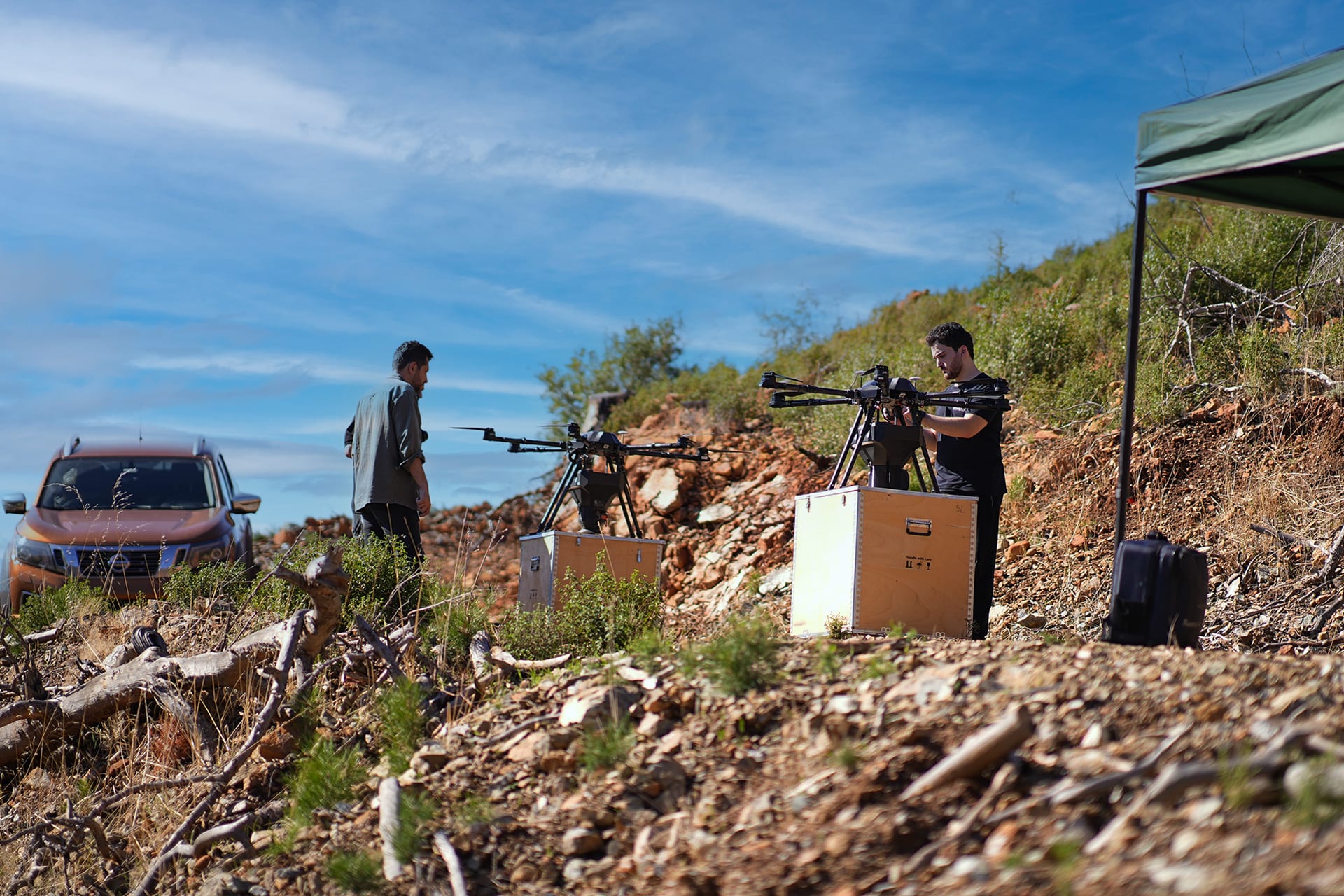
Our field team carries out operations during suitable planting periods. ecoDrones plant prepared seeds along the planned routes, using the seed density selected for the site. The size of the area determines how many days the work requires.
Step 3
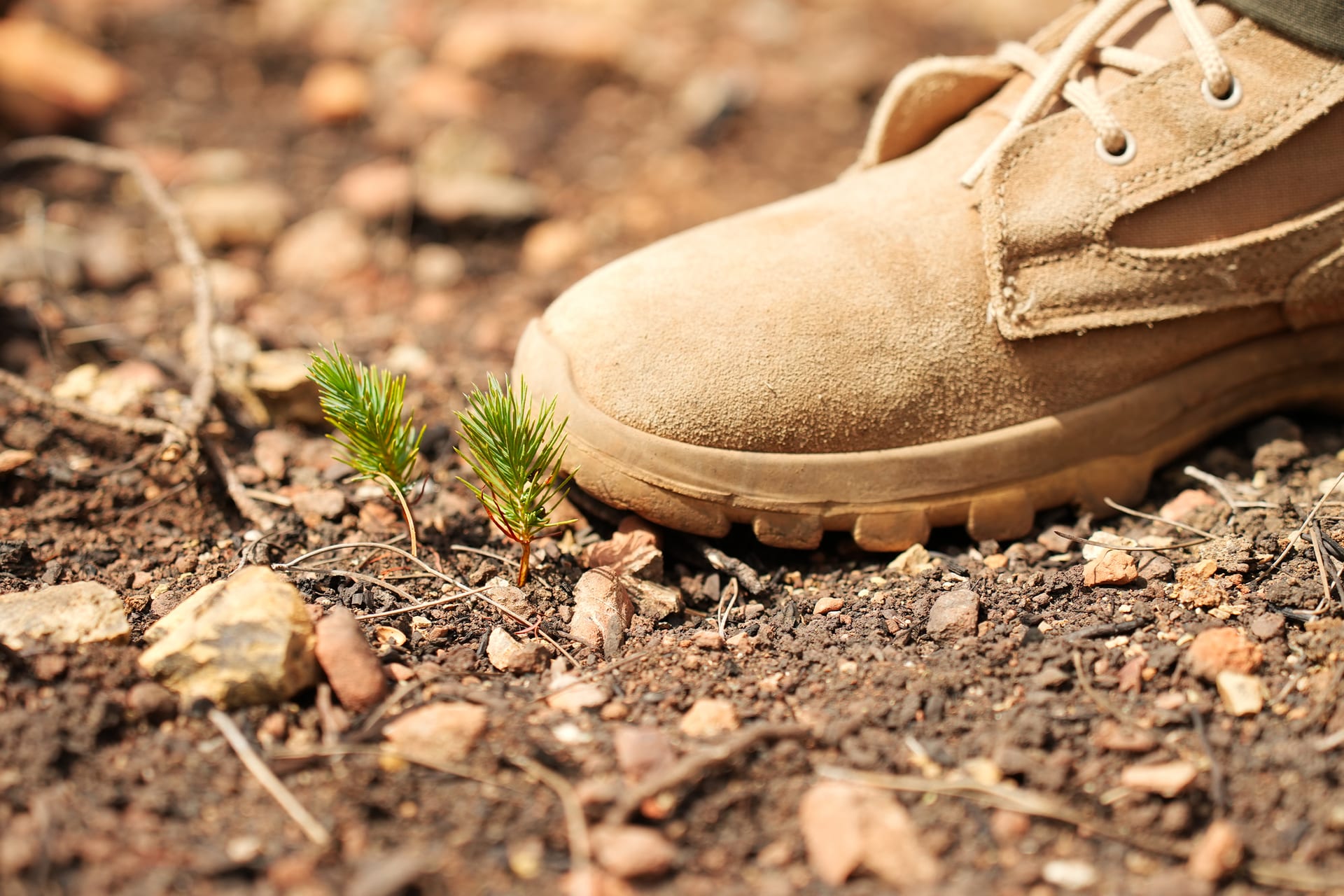
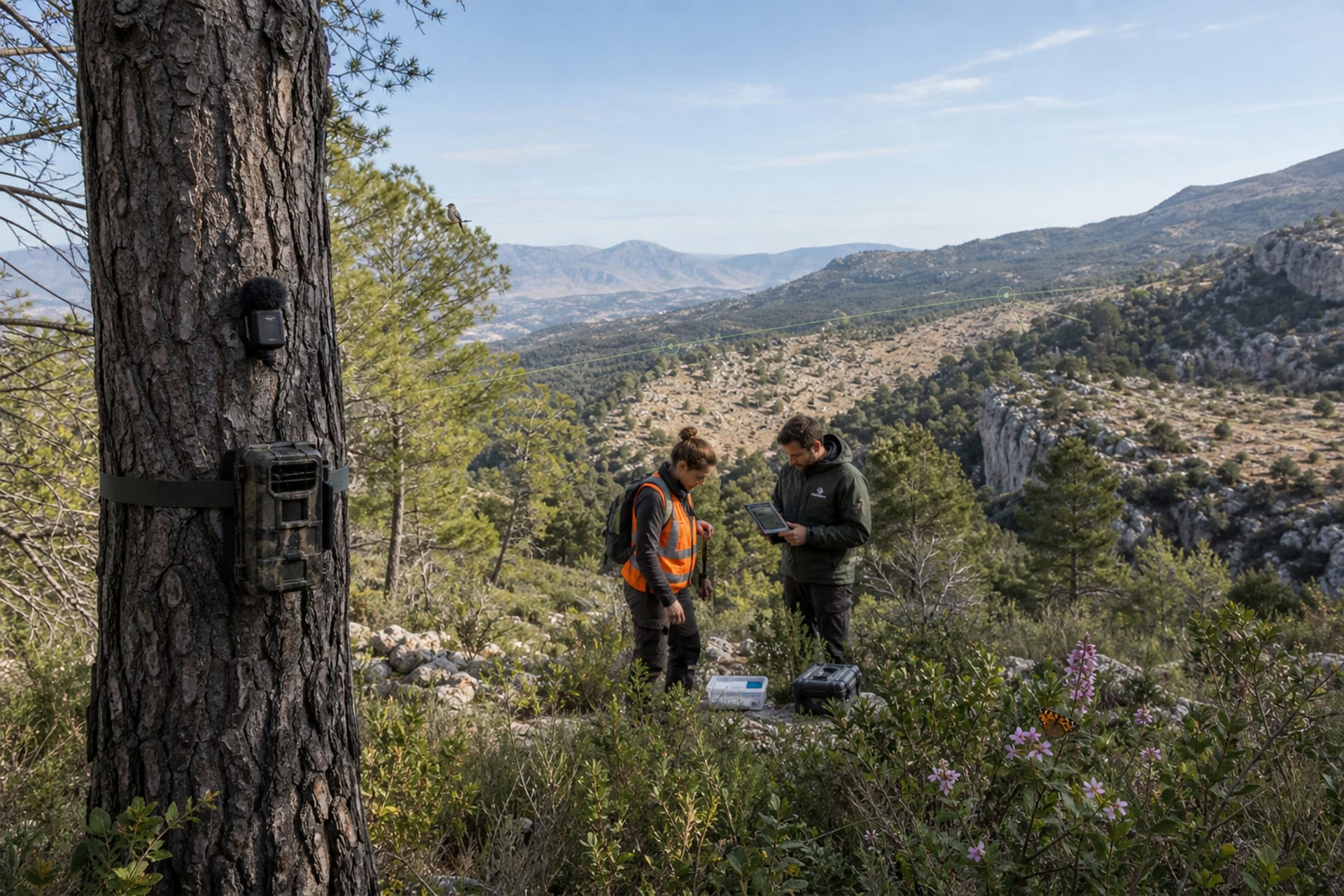
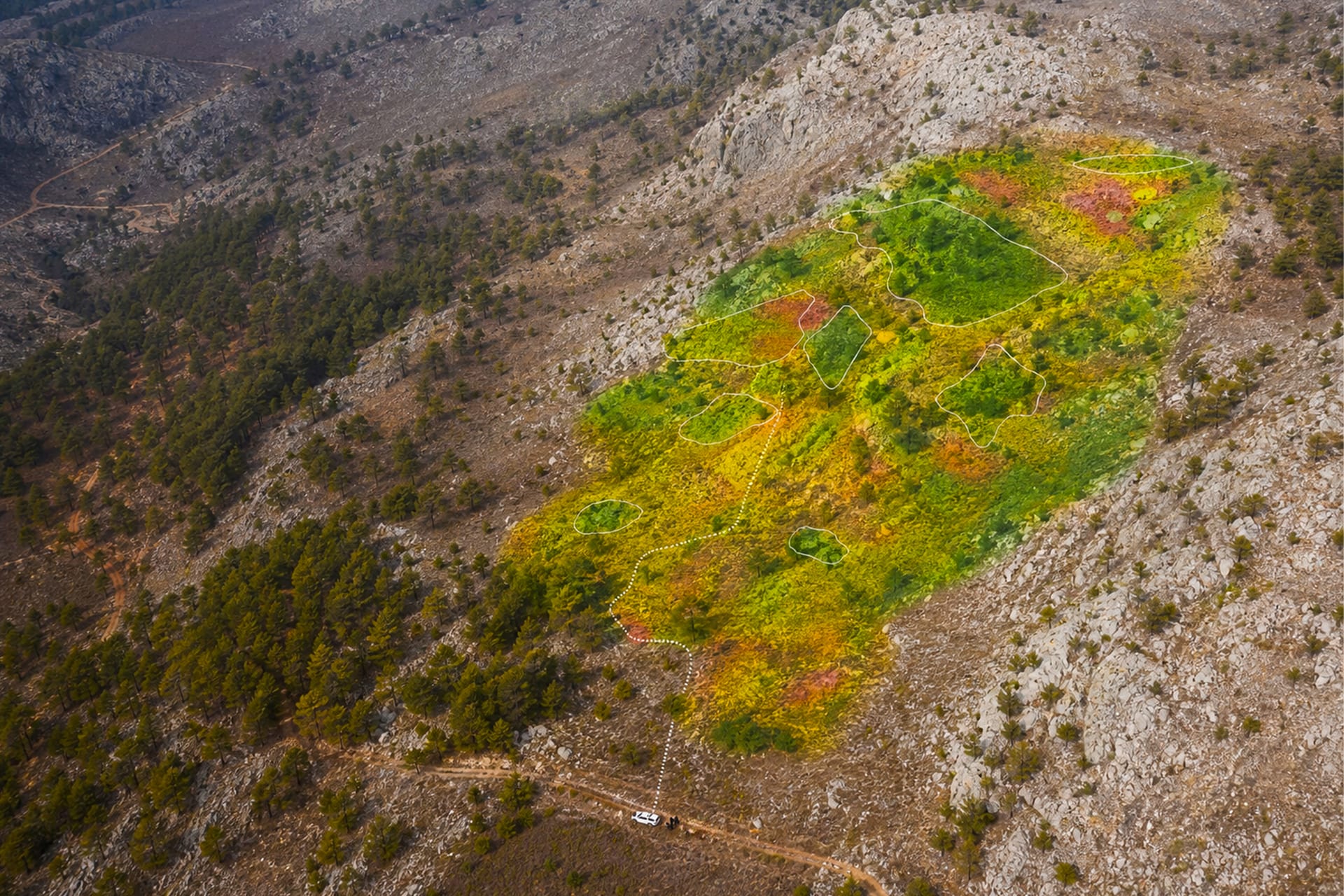
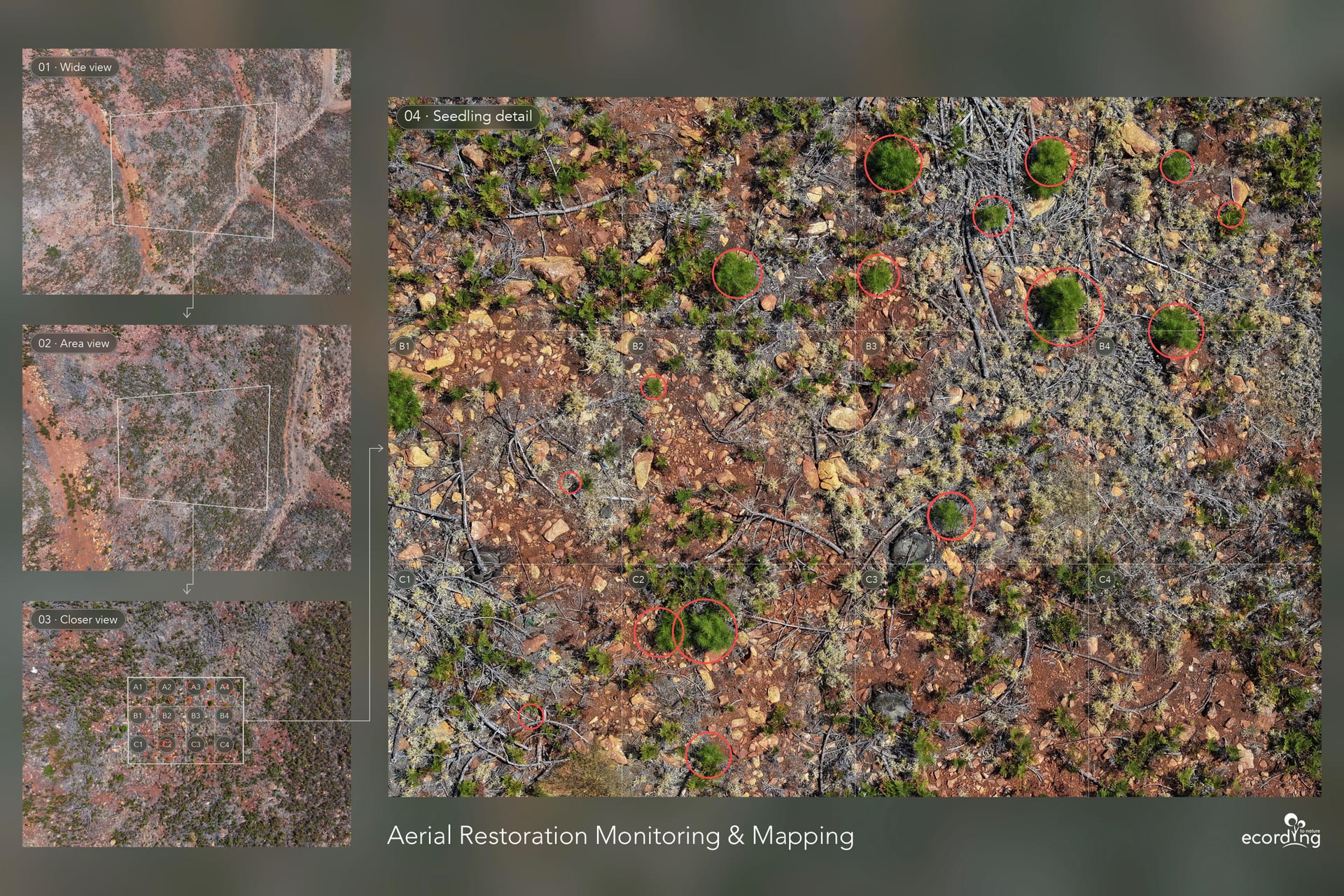
We follow recovery through ground observations and aerial imagery. Reference plots help us assess germination and survival, while AI-supported analysis helps identify vegetation patterns. The findings inform whether further planting, a different method or continued monitoring is needed.
Nature Intelligence supports our decisions. NatureOS brings progress into view for our partners.
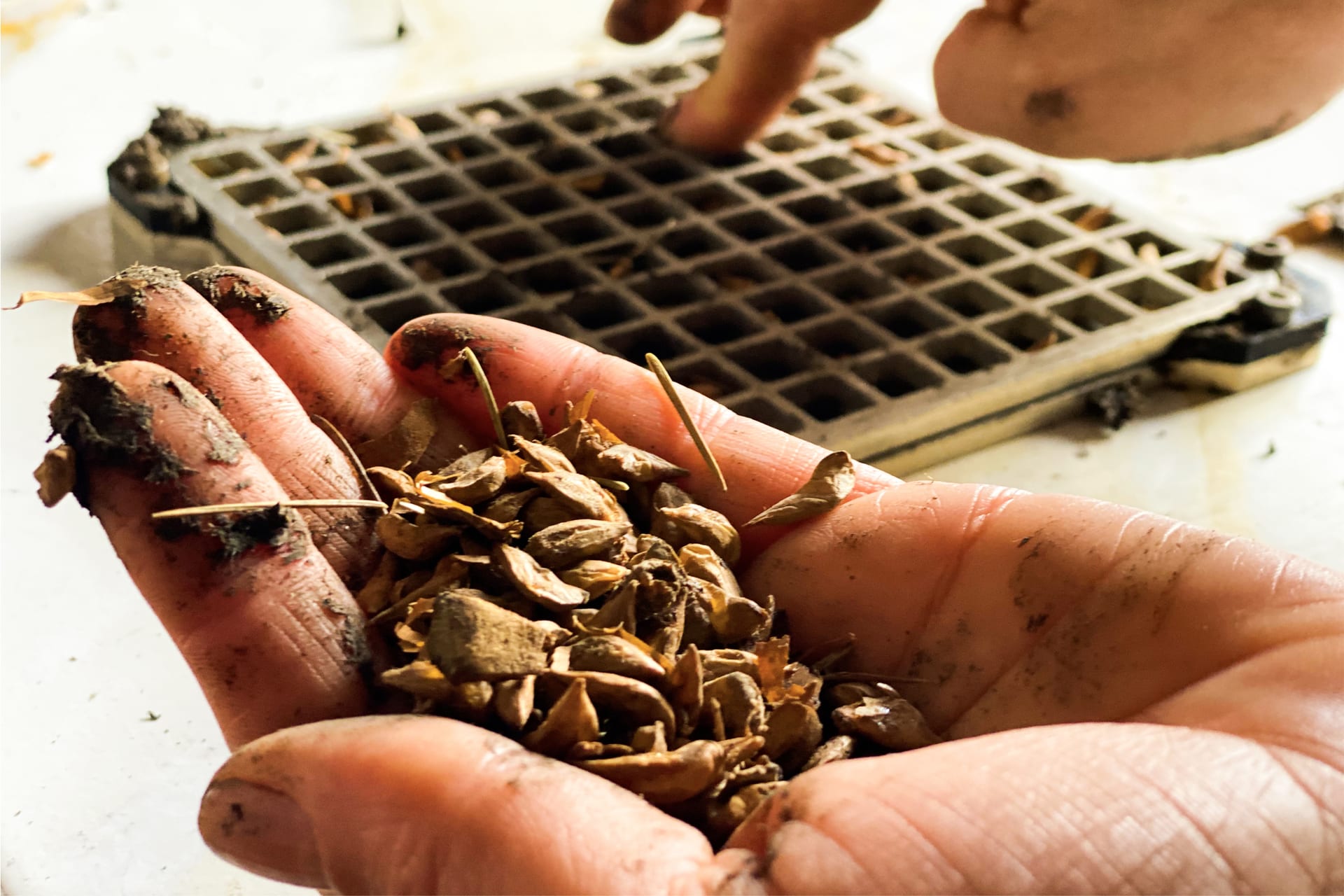
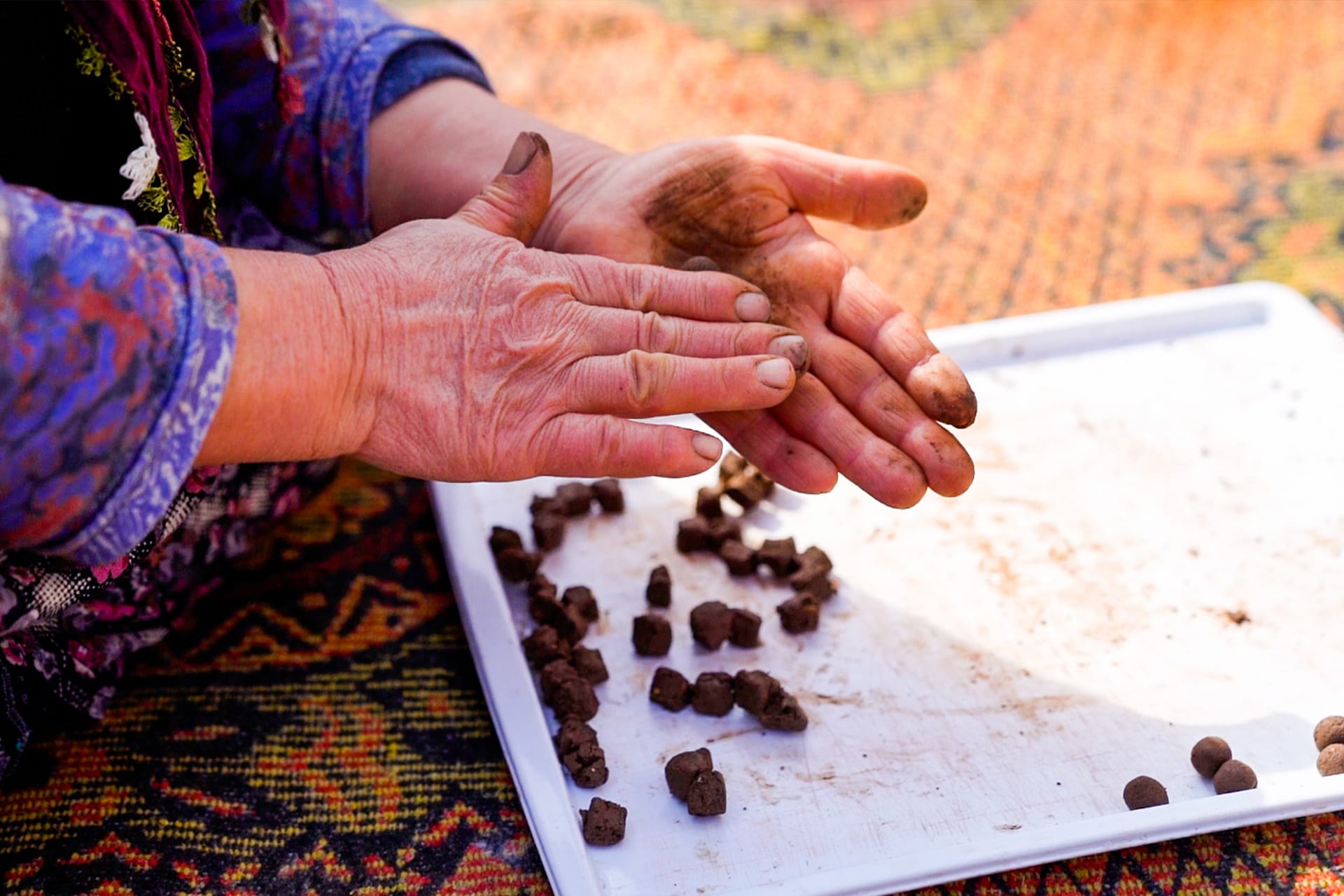
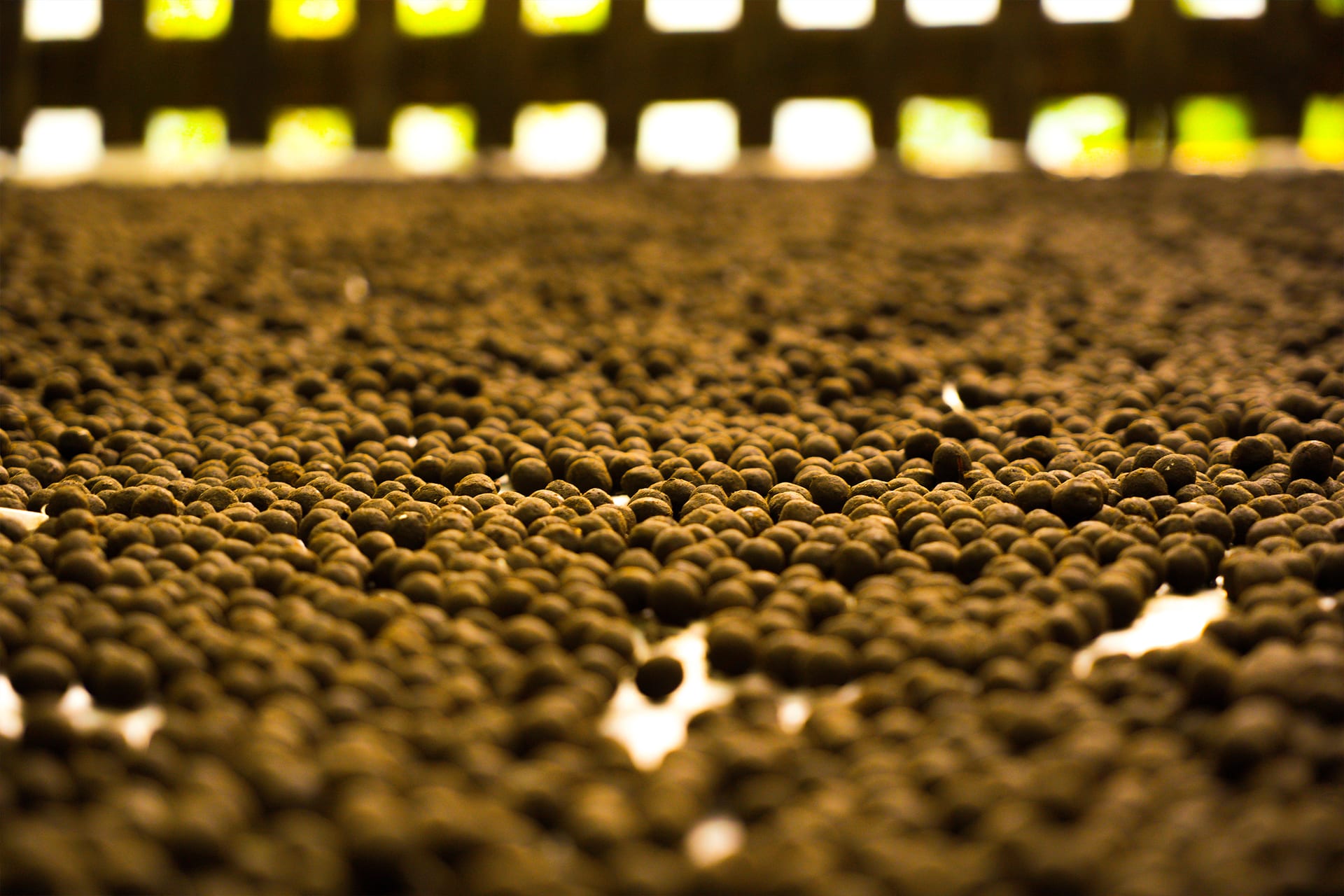
Seeds are selected for the species and conditions of each site, with attention to their local origin. Before planting, they are cleaned and checked for quality, including seed fill and germination. Depending on the species and site, seeds may be coated with clay and other materials or planted without a coating.
We work with women living in rural areas to prepare seeds for planting. Their work is part of the restoration process, from preparing the seeds to coating suitable species. This provides an additional source of income and connects local skills with the future of nearby forests.
3+regions
Where seed preparation takes place
41+women
Involved in seed preparation
2,700+hours
Of seed preparation
Planting records show where the work took place. Follow-up observations show how the site develops. We document the findings and share field updates, photographs and reports through NatureOS, helping partners understand the progress of the areas they support.
31+million seeds
Planted with our partners
3.8+million m²
Land under restoration
1,300+hours
Field operations
8+species
Used in planting plans
59%
Average field success rate Field success varies by site and monitoring period. It is different from seed quality and germination test results.
ecoDrone plants seeds. We also coordinate tree planting with local partners when seedlings are more suitable for the site.
No. All seeds are prepared before planting, but coating depends on the species and site. Some seeds are planted without a coating.
We work in fire-affected landscapes, areas at risk of erosion and sensitive sites where ground-based planting is difficult or could disturb the ecosystem.
Each site is assessed to determine whether aerial seed planting is suitable, and the planting plan is shaped around what the land needs.
Planting plans combine suitable tree, shrub and plant species to support biodiversity. In Türkiye this includes Turkish red pine and other regional species.
Planting records show where the work took place and follow-up observations show how the site develops. We share field updates, photographs and reports through NatureOS.
Explore a restoration project shaped around your goals and the needs of the land.