




Six Brand Projects Creating Positive Environmental Impact
Table of Contents
Global climate change, biodiversity loss, and the degradation of ecosystems are encouraging companies to strengthen their sustainability efforts.
Alongside reducing the environmental impact of their production processes, many businesses are developing projects that conserve natural resources, support communities, and raise public awareness.
Projects that successfully translate corporate sustainability commitments into measurable action often attract attention both nationally and internationally.
In this article, we explain what environmental impact means, why it should be measured, and examine six notable brand projects from Türkiye.
What Is Environmental Impact?
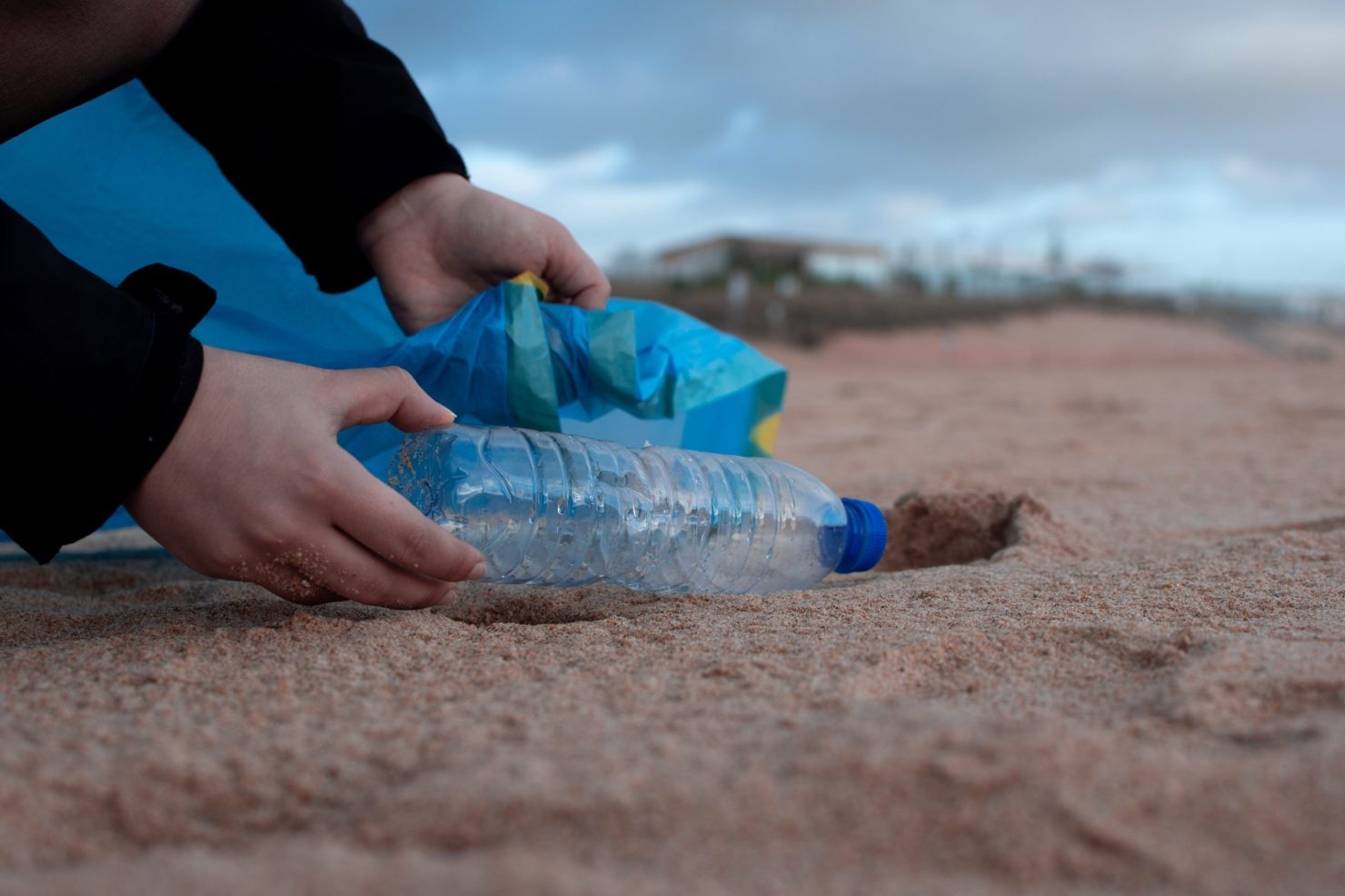
Environmental impact refers to the changes that human activities create in the natural environment.
These changes may be direct or indirect, temporary or permanent, and positive or negative.
Some of the most common environmental impacts include:
- air pollution,
- water pollution affecting seas, rivers, and groundwater,
- soil contamination,
- waste generation,
- noise pollution,
- ecosystem degradation,
- habitat loss,
- biodiversity decline,
- depletion of natural resources.
Environmental impact can result from production, transportation, energy consumption, construction, agriculture, product use, waste disposal, and many other human activities.
Why Should the Environmental Impact of Human Activities Be Measured?
Human wellbeing is closely connected to healthy ecosystems and biodiversity.
Natural systems provide essential services such as:
- clean air and water,
- food production,
- climate regulation,
- carbon storage,
- soil fertility,
- pollination,
- protection against floods and erosion.
Any activity that may disrupt ecological balance should therefore be carefully assessed, planned, and managed.
Measuring environmental impact helps organizations understand:
- which activities create the greatest pressure on nature,
- where risks are concentrated,
- which resources are being consumed,
- how pollution and waste can be reduced,
- which actions should be prioritized.
Some human activities may cause long-term or irreversible damage, including species extinction, habitat destruction, resource depletion, and persistent pollution.
As populations and consumption levels grow, the pressure placed on natural systems also increases. Measuring, reducing, and where necessary addressing these impacts is essential for supporting more sustainable forms of development.
Six Brand Projects with Positive Environmental Impact
1. Vestel: Washing Machine with a Microfiber Filter
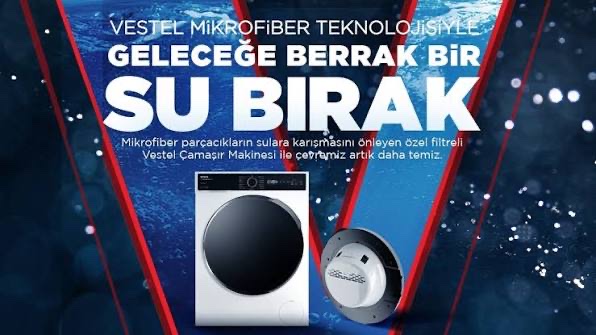
Vestel developed a washing machine with a microfiber filter to address the release of synthetic fibers into water systems during laundry cycles.
Synthetic textiles can release thousands of microscopic fibers when washed. These particles may pass through wastewater systems and eventually enter rivers, seas, and oceans.
Microfiber pollution has become a growing environmental concern because these particles can:
- remain in aquatic environments,
- be consumed by marine organisms,
- enter food chains,
- contribute to wider microplastic pollution.
Vestel developed its microfiber filtration technology as a product-based response to this issue.
The system is designed to capture a proportion of the fibers released during washing before they enter wastewater.
As regulations and industry standards relating to microfiber filtration continue to develop, technologies of this kind may support efforts to reduce plastic pollution at its source. (1)
2. Turkish Aerospace: Thermoplastic Process and Product Development
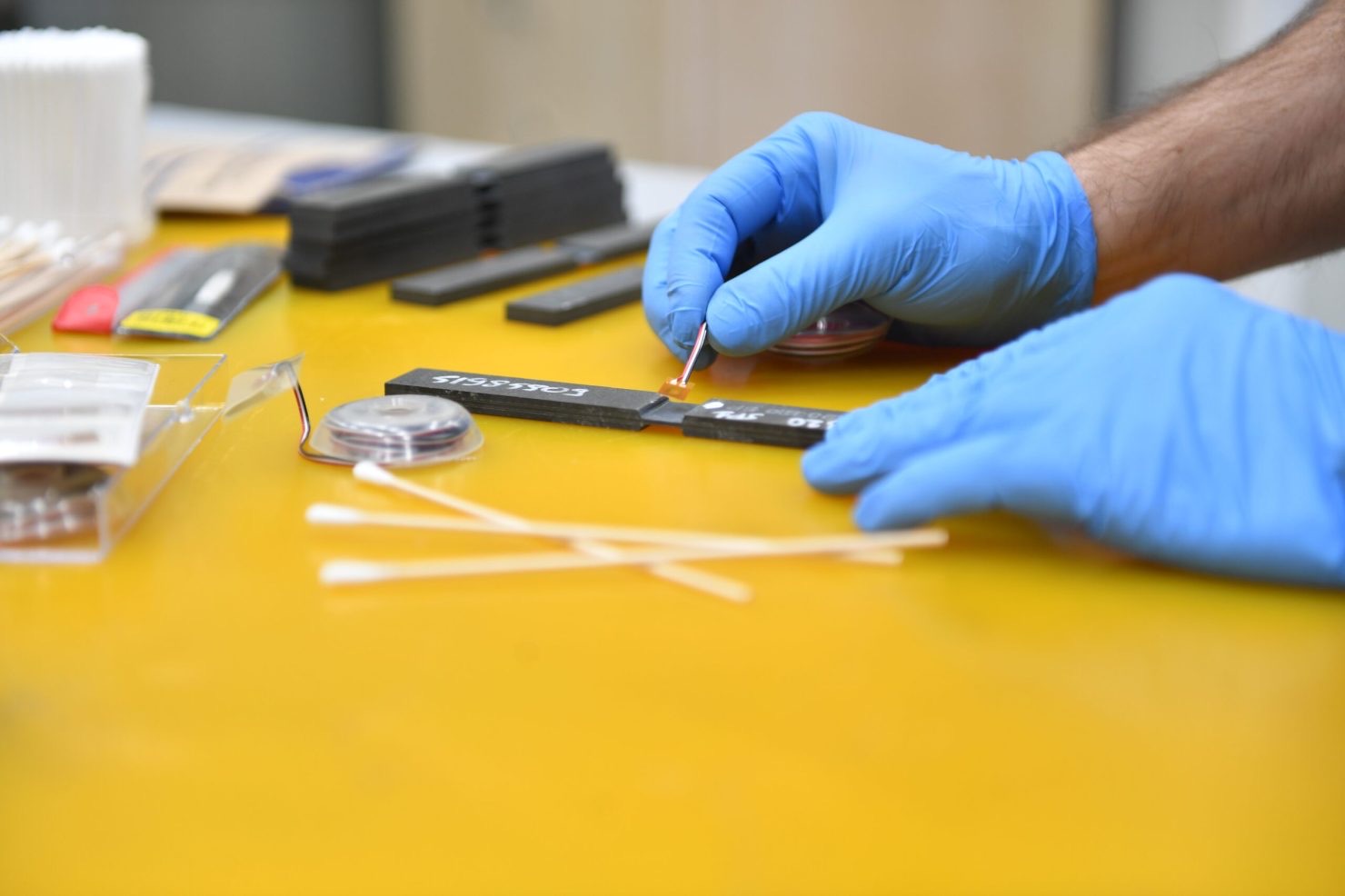
Turkish Aerospace partnered with Boeing to develop a facility capable of producing high-quality thermoplastic composite components through automated manufacturing processes.
Thermoplastic materials can contribute to lighter aircraft components, which may help improve operational efficiency and reduce fuel consumption over an aircraft's lifetime.
The project aims to support:
- advanced manufacturing capabilities,
- lightweight component development,
- more efficient production processes,
- lower process and product life cycle costs.
According to the project's stated targets, thermoplastic composite parts could reduce product life cycle and process costs by approximately 30%.
The collaboration also supports technology development within Türkiye's aerospace industry and strengthens long-term cooperation between Turkish Aerospace and Boeing. (2)
3. Vodafone Türkiye: Green Planet
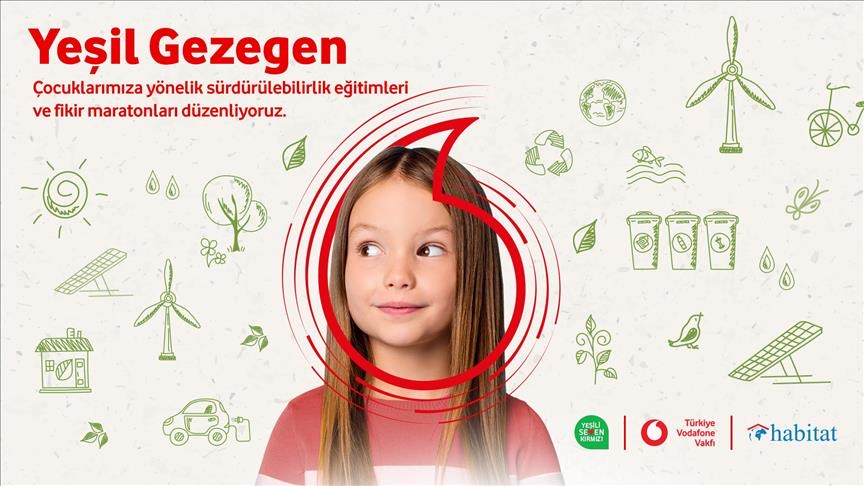
Vodafone Türkiye launched the Green Planet sustainability project in collaboration with the Türkiye Vodafone Foundation and Habitat Association.
The project aims to improve environmental awareness among students aged 7 to 14 across different cities in Türkiye.
Participants receive online education covering subjects such as:
- climate change,
- electronic waste,
- recycling,
- sustainability,
- disaster awareness.
The program also includes an idea marathon designed to encourage students to develop solutions related to environmental and social challenges.
During its initial phase, the project aimed to reach 1,000 students with the support of 50 volunteer trainers.
While education projects may not generate immediate reductions in emissions or waste, they can contribute to long-term environmental impact by improving climate literacy and encouraging more responsible habits from an early age. (3)
4. Arçelik: İYİ-GE and the Climate-Friendly Movement
Arçelik has introduced several initiatives focused on sustainability, resource efficiency, and circularity.
Its İYİ-GE platform brings together scientists, young people, artists, and civil society organizations to develop ideas and encourage public participation around environmental issues.
One of the platform's early initiatives, the Climate-Friendly Movement, encourages individuals to:
- save water,
- reduce energy consumption,
- minimize waste,
- adopt more environmentally responsible habits.
Arçelik has also incorporated recycled materials into its products and packaging.
According to its sustainability disclosures, the company recycled approximately 4.8 million PET bottles in 2021 and used the recovered material in selected products.
Other initiatives have included:
- using materials derived from organic waste in refrigerator components,
- developing lower-carbon production and material solutions,
- producing boxes from fully recycled and recyclable cardboard,
- collecting and recycling large household appliances and small electrical devices.
Through appliance collection and recycling programs, the company aims to recover valuable materials while supporting water and energy savings.
These initiatives demonstrate how product design, material selection, consumer engagement, and end-of-life management can be addressed together within a circular economy strategy. (4)
5. Garanti BBVA: Türkiye'nin Canı Yanmasın Support Program
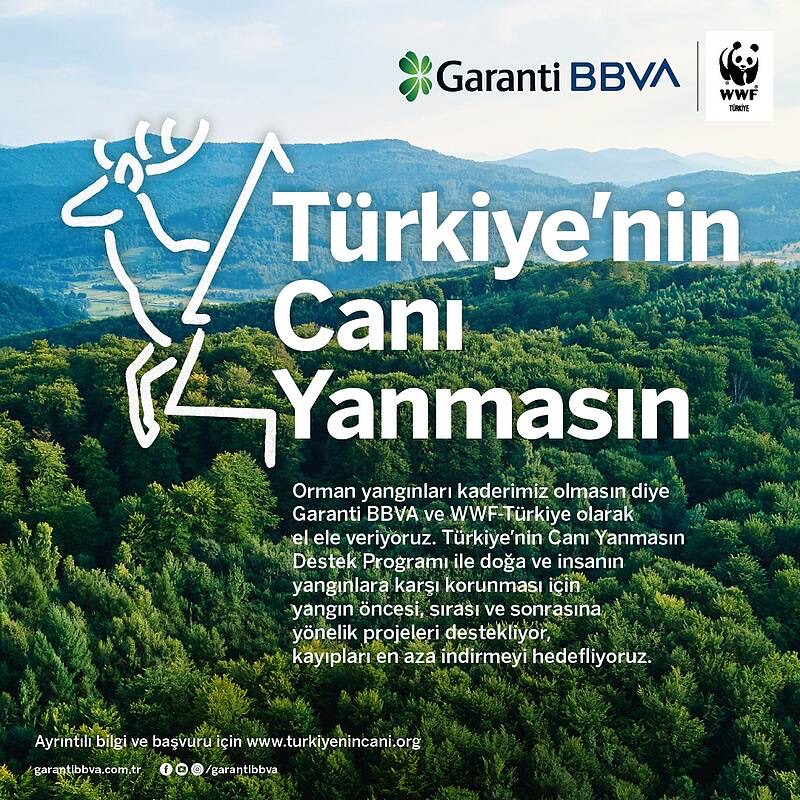
WWF-Türkiye previously implemented the Türkiye'nin Canı Small Grants Program to support local civil society organizations working to protect Türkiye's biodiversity.
The program completed four funding periods in 2012, 2014, 2017, and 2019.
With the support of Garanti BBVA, the fifth phase was developed with a specific focus on forest fires.
The Türkiye'nin Canı Yanmasın Support Program aims to:
- reduce forest fire risks,
- strengthen preparedness,
- support local participation in disaster management,
- improve response capacity,
- contribute to post-fire ecological recovery,
- address social and economic losses affecting local communities.
Local organizations can apply with projects covering different stages of forest fire management.
These may include:
- preventive education,
- community preparedness,
- emergency response,
- restoration of fire-affected ecosystems,
- protection of wildlife and habitats,
- support for communities affected by fire.
By providing funding to local organizations, the program helps place local knowledge and community participation at the center of environmental risk management. (5)
6. OPET: Clean Toilet Campaign
OPET's Clean Toilet Campaign has been implemented across Türkiye for more than two decades.
Launched in 2000, the campaign began at OPET service stations and later expanded through public awareness and education activities.
The initiative focuses on:
- toilet hygiene,
- public health,
- cleanliness standards,
- responsible use of shared spaces,
- water and sanitation awareness.
Although its primary focus is public health and social awareness, the campaign is also connected to environmental sustainability through sanitation, responsible water use, and the management of public facilities.
Clean and properly managed sanitation systems can help reduce:
- water contamination,
- unnecessary water consumption,
- hygiene-related public health risks,
- pollution caused by poorly maintained facilities.
The project demonstrates that sustainability can also include social infrastructure, public behavior, and access to safe and hygienic shared spaces. (6)
What Makes an Environmental Impact Project Effective?
The projects featured above address different areas, including product innovation, education, recycling, biodiversity, forest fire resilience, water, and sanitation.
Their environmental contributions therefore cannot be evaluated using a single indicator.
An effective environmental impact project should begin with a clearly defined problem and establish measurable targets related to that problem.
Depending on the project, relevant indicators may include:
- greenhouse gas emissions avoided,
- energy or water saved,
- waste prevented,
- recycled material used,
- ecosystems restored,
- species or habitats protected,
- people reached through education,
- changes in participant behavior.
Transparent reporting is essential for understanding whether a project has created meaningful and lasting change.
Companies should communicate not only the activities completed but also:
- the outcomes achieved,
- the methodology used,
- the period covered,
- the limitations of the data,
- the next steps planned.
From Individual Projects to Long-Term Transformation
Brand-led environmental projects can raise awareness, test new solutions, and direct resources toward important environmental challenges.
Their greatest value emerges when these projects form part of a wider corporate sustainability strategy.
For lasting impact, companies should integrate environmental responsibility into:
- product design,
- procurement,
- production,
- energy use,
- logistics,
- packaging,
- employee engagement,
- community investment,
- end-of-life management.
Well-designed projects can contribute to positive change while encouraging customers, employees, suppliers, and local communities to take part in the transition.
The next step is to move from isolated initiatives toward long-term strategies supported by measurable targets, transparent data, and continuous improvement.
References
- Anadolu Ajansı — aa.com.tr
- TUSAŞ — tusas.com
- Vodafone Türkiye — vodafone.com.tr
- Arçelik — arcelik.com.tr
- Garanti BBVA — garantibbva.com.tr
- OPET — opet.com.tr