




Global Brand Partnerships That Integrate Tree Planting into Their Business Models
Table of Contents
Across the world, many major companies and organizations are recognizing the importance of tree planting and integrating nature-positive initiatives into their business models.
By supporting reforestation, ecosystem restoration, and forest conservation projects, these brands are taking meaningful steps toward sustainability and environmental responsibility.
In this article, we explore globally recognized companies that have incorporated tree planting and forest restoration into their operations, campaigns, or long-term sustainability strategies.
1. Ecosia: Planting Trees Through Online Searches
Ecosia is a purpose-driven search engine that uses a significant share of its profits to support tree-planting and ecosystem restoration projects around the world.
Every time users search through Ecosia, the advertising revenue generated contributes to environmental initiatives.
By turning an everyday digital activity into a source of environmental funding, Ecosia has created a business model that increases public awareness while supporting restoration efforts across multiple regions.
Its approach demonstrates how technology and consumer behavior can be connected to measurable environmental action.
2. Patagonia: Responsible Business and Environmental Action
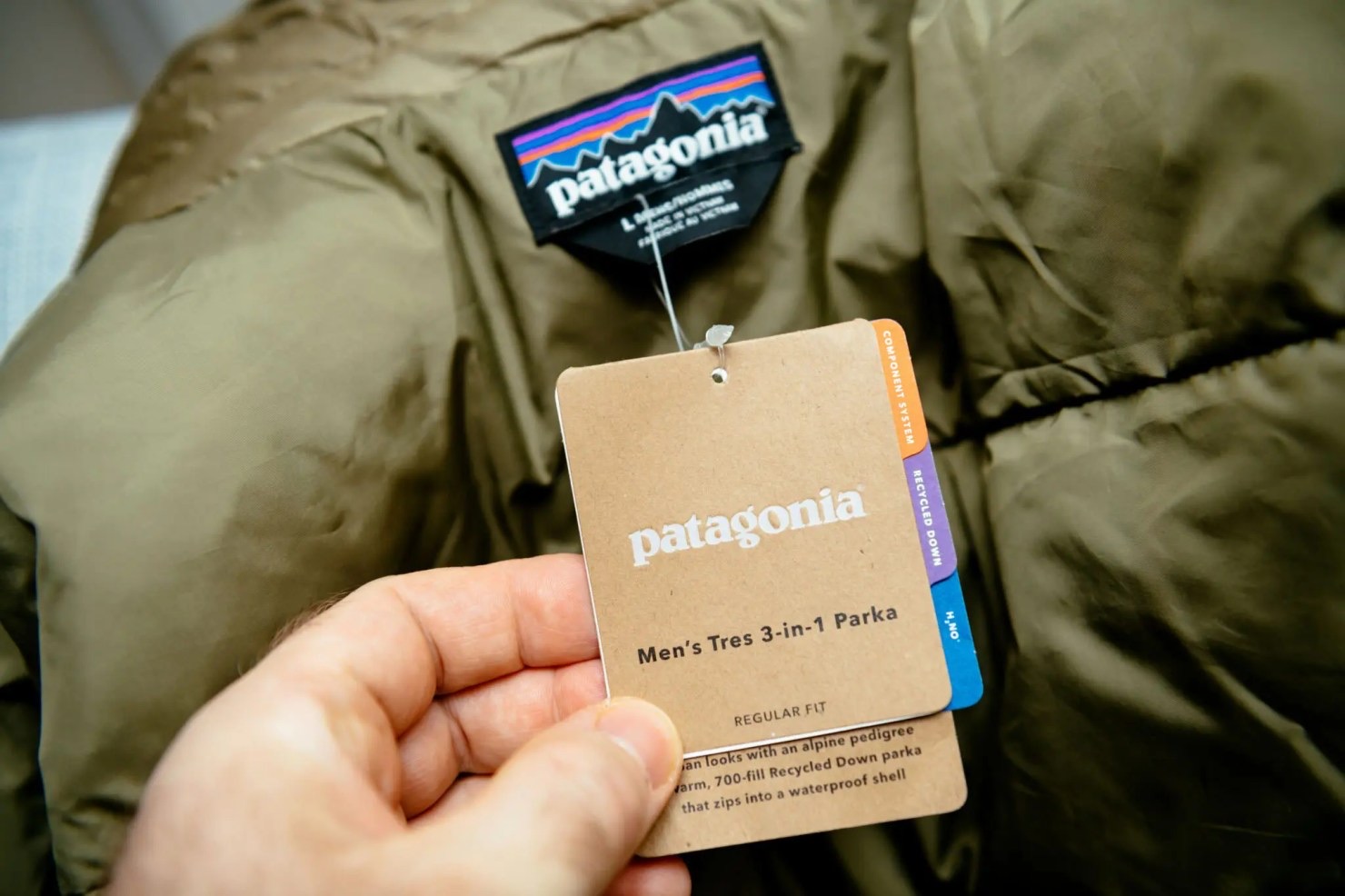
Outdoor apparel company Patagonia is widely recognized for its commitment to environmental responsibility, responsible production, and nature conservation.
The company supports a broad range of environmental organizations and grassroots initiatives focused on protecting ecosystems, restoring natural landscapes, and addressing the climate crisis.
Rather than treating sustainability as a single campaign, Patagonia integrates environmental responsibility into its wider business strategy, supply chain, product design, and corporate culture.
Through these efforts, the company encourages its customers and wider community to become active participants in environmental action.
3. Apple: Carbon Reduction and Nature-Based Solutions
Apple has made environmental sustainability a central part of its long-term business strategy.
As part of its efforts to reduce emissions across its operations and supply chain, the company invests in renewable energy, low-carbon materials, forest conservation, and nature-based carbon removal projects.
These initiatives aim to protect ecosystems, support biodiversity, and increase carbon storage while contributing to local communities and regional economies.
Apple's approach reflects the growing role of nature-based solutions within corporate climate strategies.

4. Timberland: Supporting Forests and Local Communities
Timberland has long incorporated tree planting and environmental stewardship into its sustainability efforts.
The footwear and apparel brand has worked with nonprofit organizations, local communities, and environmental partners to support reforestation projects in different parts of the world.
Many of these initiatives are designed not only to restore landscapes but also to improve livelihoods, strengthen local economies, and increase environmental awareness.
By combining community participation with ecological restoration, Timberland demonstrates how tree-planting initiatives can create both environmental and social value.

5. tentree: Trees Connected to Every Purchase
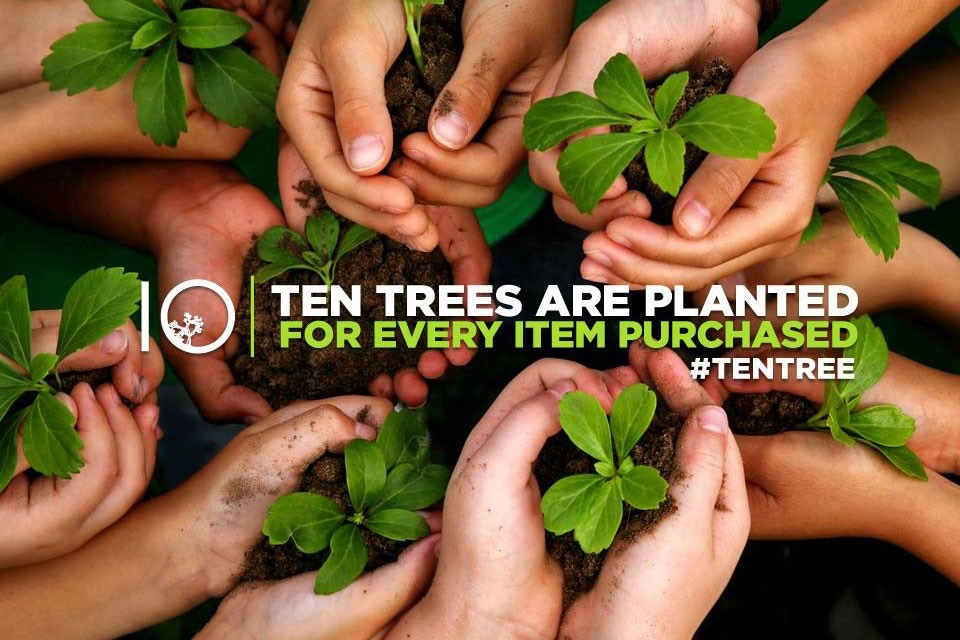
tentree is a sustainable fashion brand known for linking product sales to tree planting.
For every product purchased, the company supports the planting of multiple trees through restoration projects around the world.
This model allows customers to contribute directly to environmental action through their purchasing decisions.
tentree works across regions including Africa, Asia, and North America, supporting initiatives related to reforestation, ecosystem recovery, and community development.
Its business model shows how measurable environmental commitments can be integrated into the customer experience.
6. Microsoft: Carbon-Negative Goals and Ecosystem Restoration
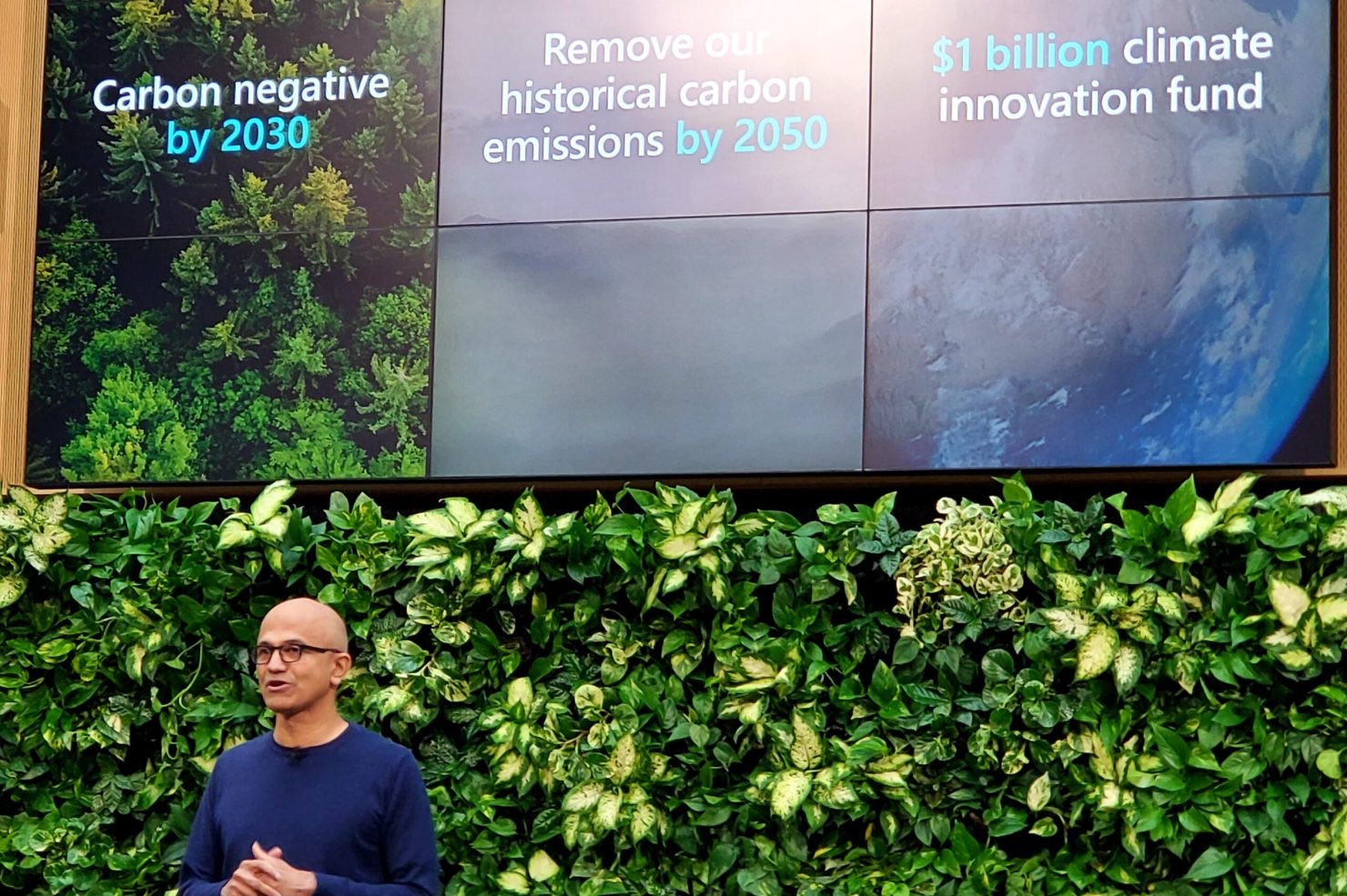
Microsoft has committed to becoming carbon negative by 2030 and has developed a broad climate strategy focused on reducing emissions, removing carbon, and supporting environmental innovation.
As part of this strategy, the company invests in nature-based carbon removal projects, including reforestation, forest conservation, and ecosystem restoration.
Microsoft also works with environmental organizations and technology providers to improve the measurement, verification, and long-term effectiveness of carbon removal initiatives.
These efforts support both the company's operational climate goals and wider global action on carbon reduction.
7. Amazon: The Climate Pledge and Nature-Based Investment
Amazon launched The Climate Pledge with a commitment to reach net-zero carbon emissions by 2040.
As part of this initiative, the company supports renewable energy, low-carbon technologies, forest conservation, reforestation, and other nature-based solutions.
Amazon works with governments, nonprofit organizations, and environmental partners to protect forests and restore ecosystems in different regions.
These projects are intended to support biodiversity, strengthen climate resilience, and contribute to long-term carbon storage.

8. Google: Reducing Environmental Impact and Supporting Ecosystems
Google has positioned environmental sustainability as an important part of its operations, with a strong focus on renewable energy, energy efficiency, and carbon reduction.
The company also supports projects related to ecosystem protection, forest monitoring, restoration, and climate technology.
Through partnerships, funding programs, and the use of digital tools, Google contributes to initiatives that help monitor environmental change and support the protection of natural ecosystems.
Its approach highlights the role technology companies can play in making environmental action more measurable and scalable.

Why Tree Planting and Ecosystem Restoration Matter
Tree planting and ecosystem restoration play an important role in addressing the climate crisis and protecting natural systems.
Healthy forests and restored landscapes can:
- absorb and store atmospheric carbon,
- reduce soil erosion,
- improve water retention,
- provide habitat for wildlife,
- support biodiversity,
- strengthen ecosystem resilience.
Integrating these initiatives into business models can also help companies engage customers, employees, and partners around shared sustainability goals.
However, effective environmental action requires more than simply planting trees.
Projects should consider local ecological conditions, native species, biodiversity, long-term monitoring, and the needs of surrounding communities.
When designed responsibly, corporate partnerships can support the long-term restoration of degraded ecosystems and create measurable value for both nature and society.
You Can Integrate Ecosystem Restoration into Your Business Model
With ecording, you can create long-term environmental value for your brand and strengthen your sustainability strategy.
Through partnership models that connect companies, individuals, and nature, organizations can increase their social and environmental impact while contributing to measurable ecosystem restoration.
Sales-Based Product, Service, and Transaction Partnerships with ecoDrone
Through the ecoDrone sales-based partnership model, environmental impact can be integrated directly into a brand's products, services, or transactions.
For every product, service, or transaction carrying the ecoDrone Mark, ecoDrone delivers seeds and seed balls to priority restoration areas, particularly landscapes that are difficult to access through conventional methods.
These activities support:
- ecosystem restoration,
- reforestation,
- biodiversity,
- the recovery of degraded landscapes.
Consumers can scan the ecoDrone Mark integrated into the relevant product, service, or transaction using their smartphone camera.
This allows them to follow the journey of the seeds and explore the environmental impact connected to their purchase or interaction.
Learn more about ecoDrone partnerships for businesses.