




The Mistle Thrush and the Juniper Tree: A Remarkable Partnership in Nature
Table of Contents
Everything in nature is interconnected. But have you ever wondered whether soil, water, and sunlight are always enough for a tree to grow?
Some tree species depend on animals to disperse their seeds. The juniper tree is part of one of nature's most fascinating ecological partnerships: its relationship with the mistle thrush.
The Mistle Thrush: Nature's Gardener
The mistle thrush (Turdus viscivorus) plays an important role in the dispersal of juniper trees.
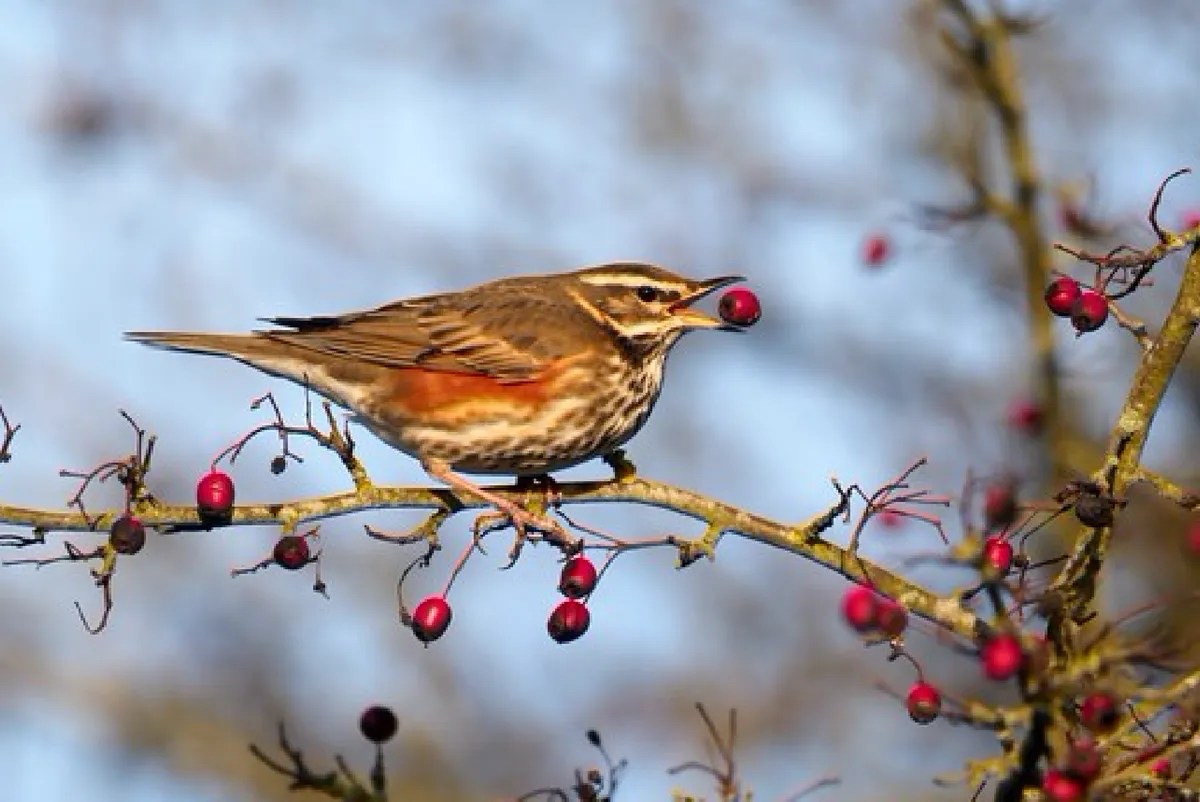
These birds are particularly fond of the blue-black, berry-like cones produced by junipers. However, the seeds inside are protected by a hard outer layer, which can make germination difficult when they fall directly onto the ground.
This is where the mistle thrush becomes part of the process.
After the bird eats the fruit, the seed passes through its digestive system. During this journey, the hard outer coating is partially weakened. The seed is then deposited on the ground through the bird's droppings.
This natural process makes germination easier and enables juniper trees to spread into new areas.
By carrying seeds across different landscapes, birds contribute to richer vegetation, healthier ecosystems, and greater biodiversity.
Juniper Trees and Their Role in Forest Ecosystems
Juniper trees and shrubs belonging to the genus Juniperus are long-lived species known for their resilience to drought and challenging climatic conditions.
They commonly grow at high elevations, on rocky terrain, and in areas where many other tree species struggle to survive.
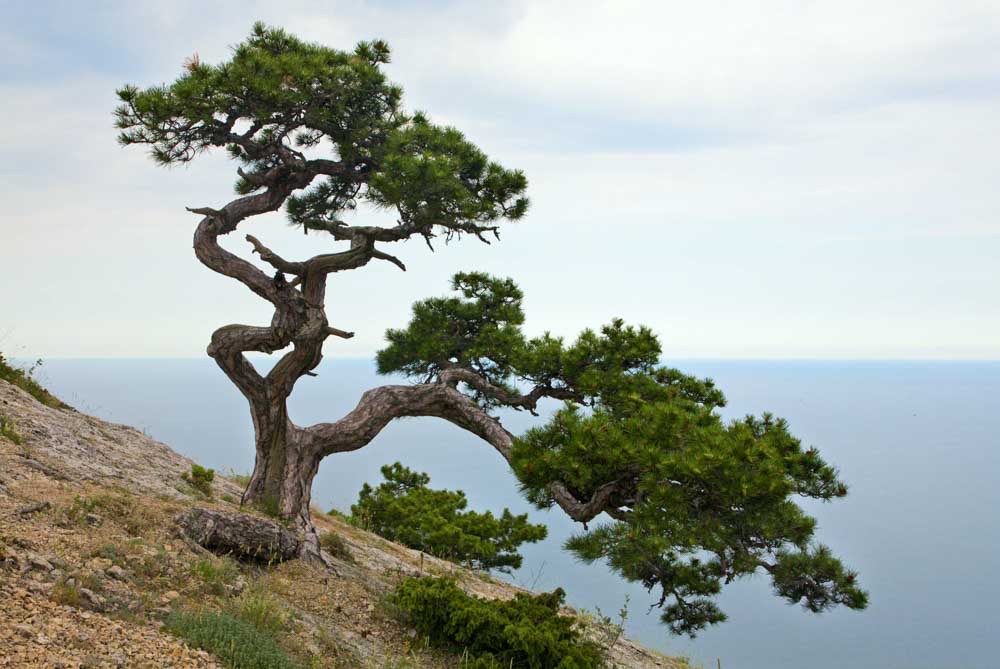
Junipers play several important roles within forest ecosystems.
Providing Habitat for Wildlife
Because they can grow in high-altitude and rugged environments, junipers provide shelter, nesting areas, and food for many species of birds, rodents, insects, and other wildlife.
They help create valuable habitats in landscapes where vegetation may otherwise be limited.
Reducing Soil Erosion
Their extensive root systems help stabilize soil and reduce erosion, particularly on steep slopes and rocky terrain.
By protecting the soil and supporting organic matter accumulation, junipers can also contribute to long-term carbon storage.
Supporting Climate Action
Like other trees and woody plants, junipers absorb carbon dioxide from the atmosphere through photosynthesis and store carbon in their biomass and surrounding soils.
In this way, healthy juniper ecosystems contribute to natural carbon sinks and support efforts to address the climate crisis.
The Contribution of Squirrels and Other Animals
Mistle thrushes are not the only animals that contribute to the spread of juniper trees.
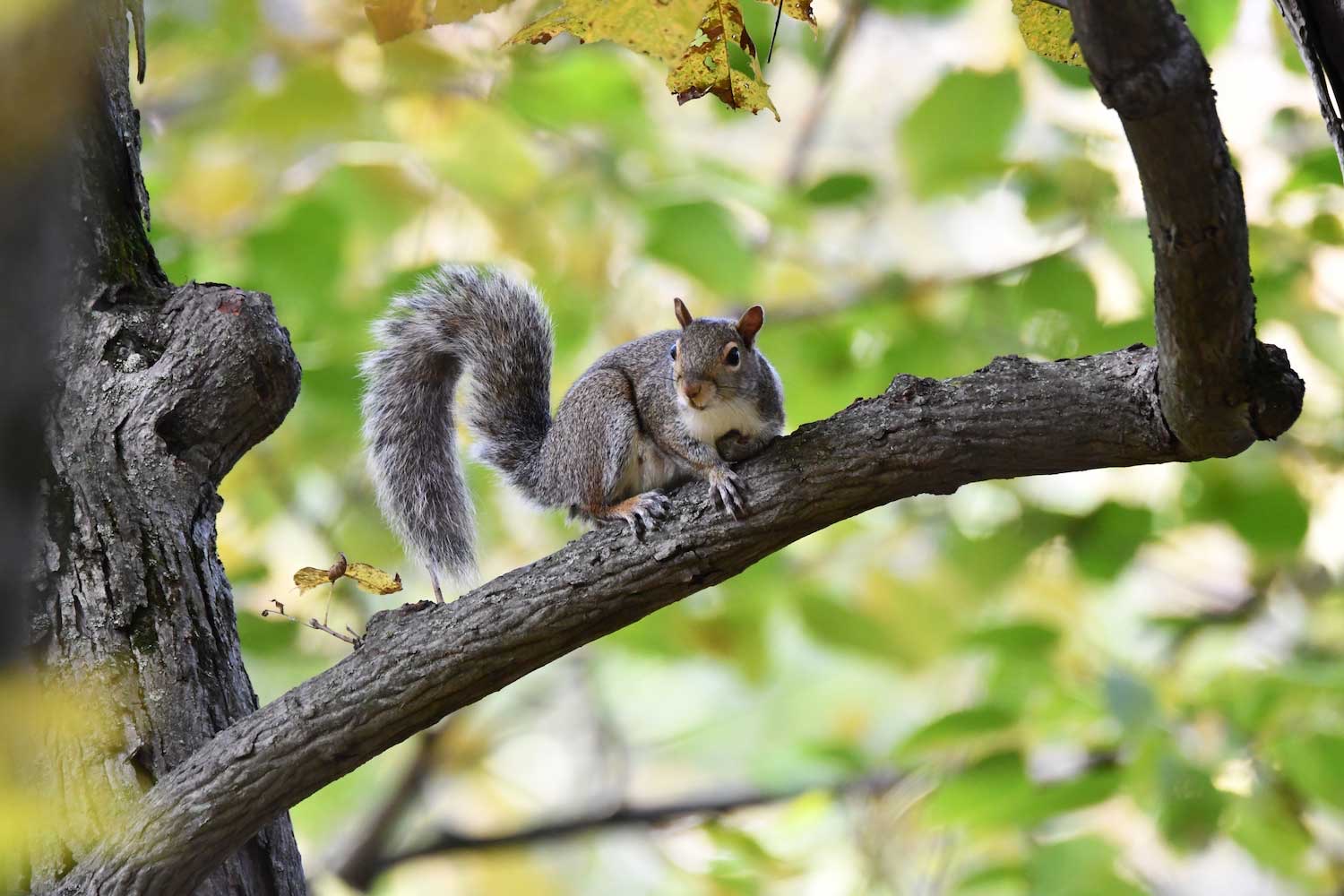
Squirrels and other wildlife may also carry, store, or bury fruits and seeds for later consumption. Some of these seeds are never recovered.
Under suitable environmental conditions, forgotten seeds may eventually germinate and grow into new plants.
A similar process is widely associated with oak trees, whose acorns are buried and dispersed by animals. Through these interactions, wildlife supports vegetation renewal and helps forest ecosystems continue to develop.
The Relationship Between People and Juniper Trees
Juniper trees have also held an important place in human life throughout history.
Ancient civilizations regarded juniper as a sacred plant and used its branches and berries as incense. Today, juniper is valued for its aromatic properties and is used in the production of essential oils and various traditional products.
However, many juniper species grow slowly, making their protection particularly important.
Damage to mature juniper ecosystems may take decades—or even longer—to recover.
Respecting Nature's Balance
The relationship between the mistle thrush and the juniper tree is a powerful example of the delicate connections that sustain natural ecosystems.
Every species plays a role. Protecting natural habitats is essential for ensuring that these ecological relationships can continue.
At ecording, we continue to support ecosystem restoration efforts and contribute to the expansion of healthy green areas while respecting the ecological balance of the landscapes in which we work.
Protecting juniper trees and the remarkable natural processes that support their regeneration requires collective action.
A single fruit eaten by a small bird may one day become the beginning of an entire forest.