




Zero-Waste Office: 7 Recommendations for a More Sustainable Workplace
Table of Contents
An office employee can generate approximately one kilogram of waste each day, including paper, plastic, packaging, and food scraps.
Transitioning to a zero-waste office can help reduce environmental impact while also lowering waste management and operational costs.
Simple but effective changes can support the implementation of zero-waste policies, strengthen environmental awareness across the organization, and improve workplace efficiency.
In this article, we share seven practical recommendations for developing a lower-waste office policy and making sustainability part of everyday working life.
Why Should Companies Transition to a Zero-Waste Office?

Implementing zero-waste practices in the workplace can deliver both environmental and operational benefits.
Environmental Protection
A zero-waste office helps reduce the consumption of natural resources and limits the amount of waste sent to landfill or incineration.
By preventing waste, reusing materials, and separating recyclable resources correctly, companies can reduce the environmental impact of their daily operations.
Cost Savings
Waste reduction strategies can lower purchasing, storage, printing, energy, and disposal costs.
Materials that can be reused, recycled, or recovered may also retain economic value instead of becoming waste.
Reputation and Customer Engagement
Zero-waste practices demonstrate a company's commitment to environmental responsibility and sustainability.
A clear and credible approach can strengthen brand reputation and help the organization connect with environmentally conscious customers, employees, partners, and investors.
Regulatory Compliance
Waste management and resource efficiency requirements continue to develop across many regions.
Adopting structured zero-waste policies can help businesses prepare for regulatory changes and improve compliance with existing environmental requirements.
Employee Satisfaction
Environmentally responsible workplace practices can help employees feel more connected to their organization and its values.
A sustainability-focused working environment may strengthen employee engagement, satisfaction, and participation in company culture.
For more ideas on creating a sustainability-focused employee experience, explore our article: Employee Experience: What Is It and How Can It Be Improved?
1. Reduce Paper Use and Prioritize Digital Processes
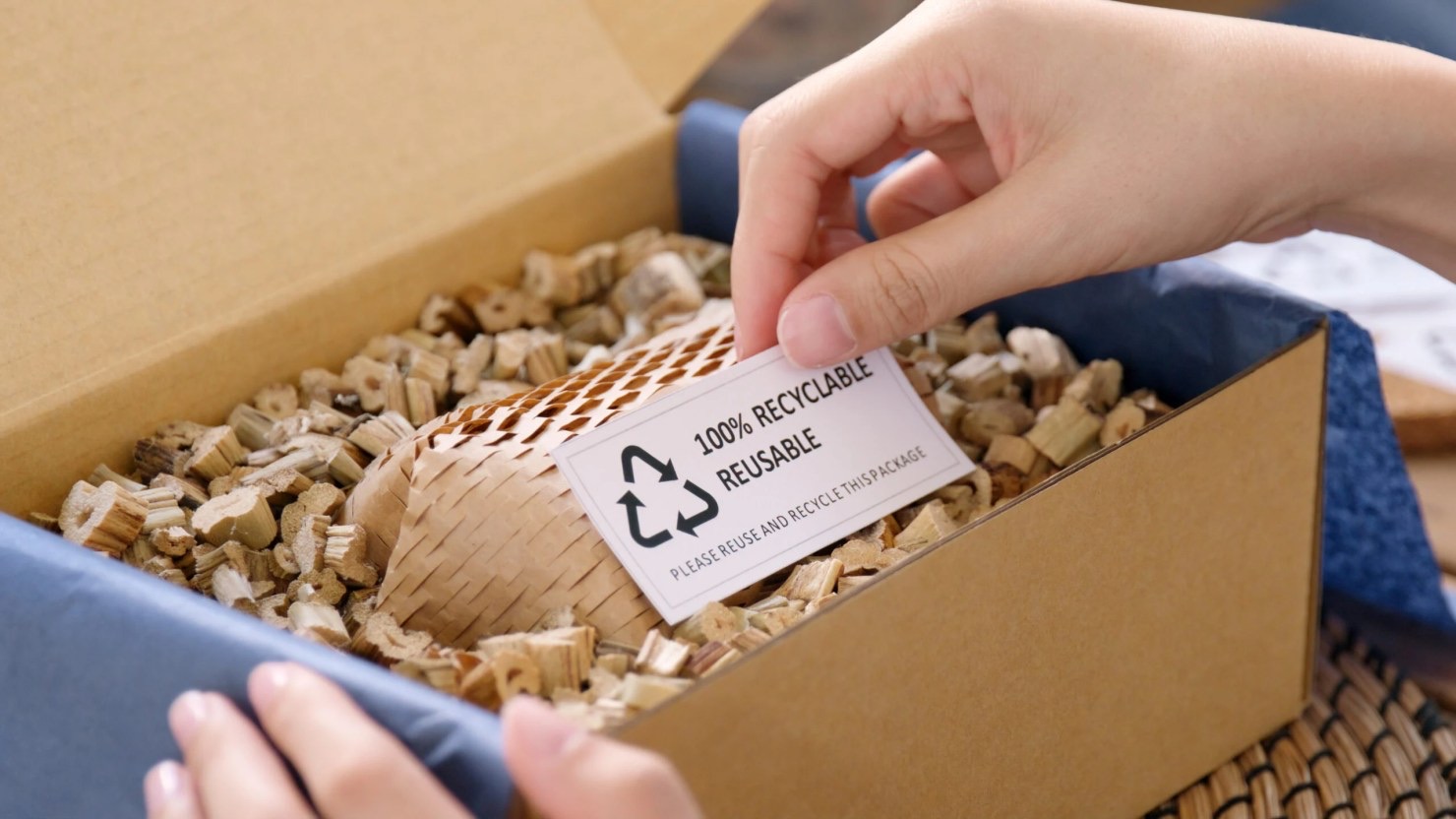
One of the simplest ways to reduce office waste is to limit unnecessary paper consumption.
Encourage employees to share, review, approve, and store documents digitally rather than printing them.
This helps save paper while reducing the need for physical storage space.
Companies can support paperless working by encouraging:
- electronic signatures,
- digital document storage,
- electronic invoices and receipts,
- online approval processes,
- cloud-based collaboration tools.
Digitalization can also accelerate workflows and make information more accessible to employees across different locations.
When Printing Is Necessary
Some documents may still need to be printed. In these cases:
- use a smaller but readable font,
- reduce page margins where appropriate,
- print on both sides of the paper,
- set computers and printers to double-sided printing by default,
- avoid unnecessary cover pages,
- remove duplicate or outdated entries from mailing lists,
- reuse envelopes by covering old address information,
- reuse folders, packaging materials, and shipping boxes,
- use shredded paper as protective packaging where suitable,
- purchase frequently used products in bulk to reduce packaging.
2. Provide Clearly Labelled Recycling Bins and Reduce Single-Use Products
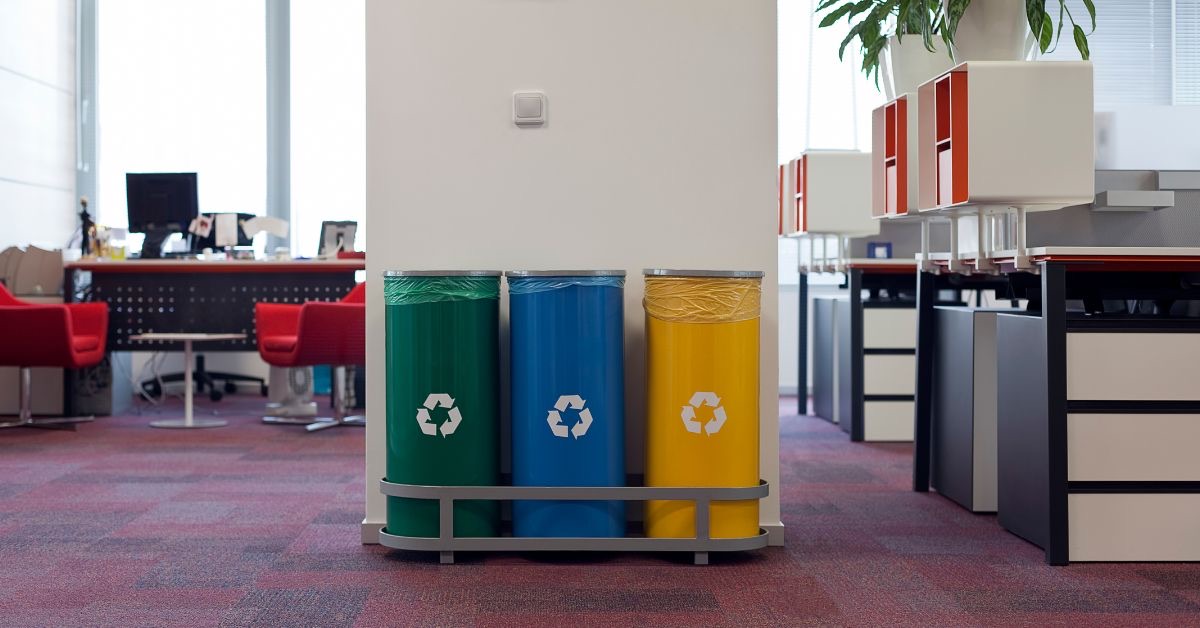
Place separate recycling bins for paper, plastic, glass, metal, and other locally accepted recyclable materials.
Bins should be clearly labelled and positioned in visible, easily accessible areas throughout the workplace.
The recycling system should reflect the rules of the local waste management provider, as materials accepted for recycling may vary by location.
To reduce plastic waste further, encourage employees to use:
- reusable water bottles,
- reusable coffee cups,
- washable cutlery,
- reusable food containers.
Filtered water stations and accessible coffee machines can make reusable options more practical.
Companies should also reduce or eliminate single-use products such as plastic cups, cutlery, straws, plates, and individually packaged items wherever possible.
3. Review Packaging and Purchasing Decisions
Sustainable procurement is an important part of reducing office waste.
Prioritize suppliers that offer minimal, recyclable, reusable, or returnable packaging.
Where practical:
- buy products in bulk,
- consolidate deliveries,
- avoid individually packaged items,
- choose durable products,
- select products made from recycled materials,
- prioritize repairable and refillable alternatives,
- ask suppliers about packaging take-back programs.
By improving purchasing decisions, companies can reduce waste before it enters the workplace and contribute to a more circular economy.
4. Choose More Sustainable Office Supplies

Many common office supplies now have lower-waste alternatives.
For example, companies can replace disposable plastic pens with refillable pens or pencils made from responsibly sourced materials.
Other options include:
- refillable markers,
- recycled-paper notebooks,
- reusable folders and document holders,
- paper-based adhesive tape,
- products with replaceable components,
- rechargeable batteries,
- remanufactured printer cartridges.
Before purchasing a new item, consider whether an existing product can be reused, repaired, shared, or refilled.
The most sustainable office supply is often the one the company already owns.
5. Consider WWF-Türkiye's Green Office–Green Transformation Program
WWF-Türkiye's Green Office–Green Transformation Program, launched in 2011, encourages organizations to make more environmentally responsible workplace decisions.
The program aims to reduce the environmental impact of offices by providing guidance in areas such as:
- natural resource consumption,
- energy and water use,
- waste management,
- procurement,
- employee engagement.
Participating in a structured program can help companies set measurable targets, involve employees, and monitor progress over time.
For further information, explore WWF-Türkiye's Green Office–Green Transformation Program.
6. Switch Off Electronic Devices
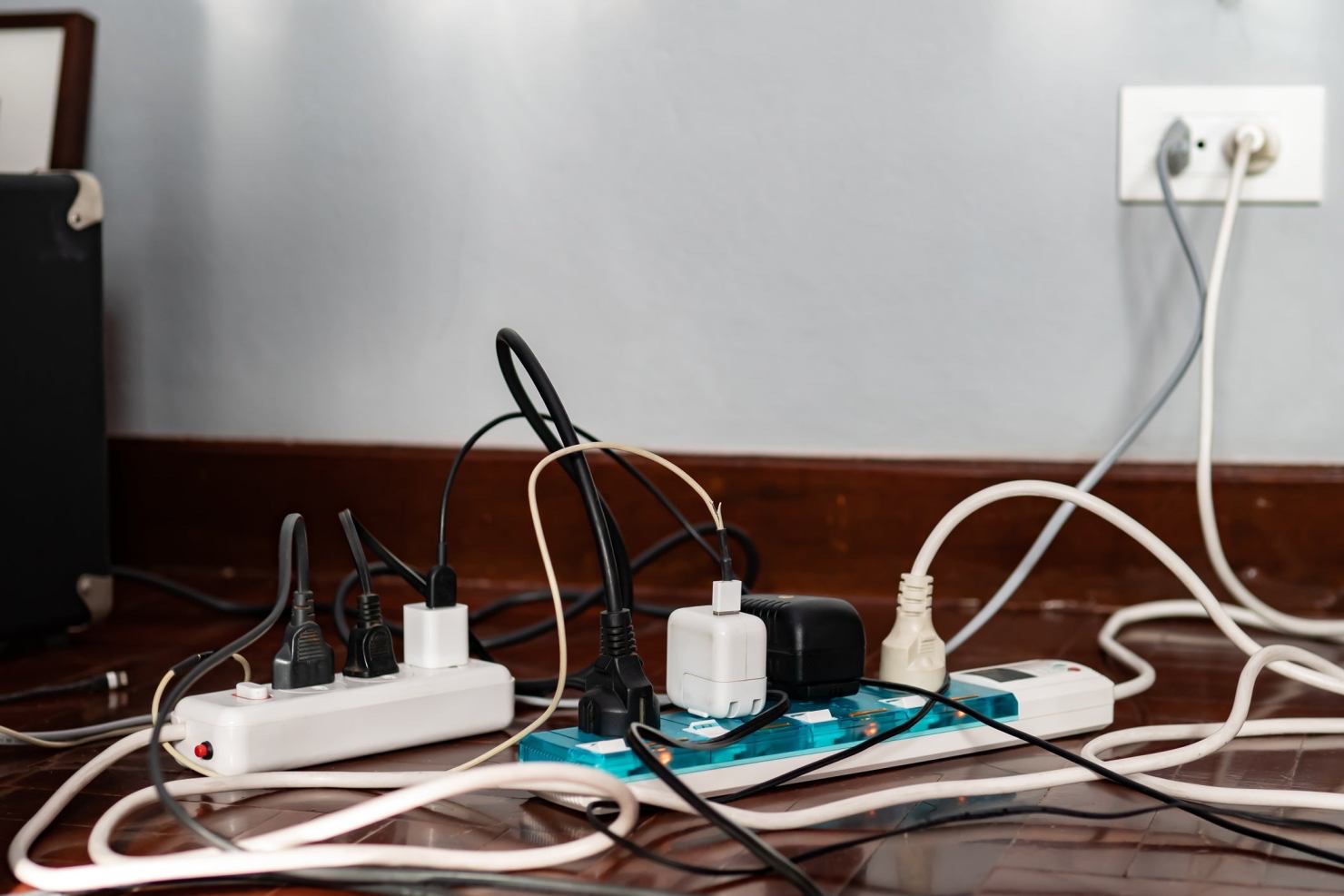
Turning off desk lamps, monitors, computers, and other electronic equipment at the end of the working day can generate meaningful energy savings over time.
The impact becomes greater when the practice is adopted across the entire organization.
Devices such as printers, chargers, and kitchen equipment may continue consuming electricity while in standby mode.
Where it is safe and practical to do so:
- switch devices off completely,
- unplug rarely used equipment,
- use smart power strips,
- activate automatic sleep settings,
- install timers or occupancy sensors,
- select energy-efficient devices when replacing equipment.
These practices can reduce both energy consumption and operating costs.
7. Turn Sustainability into a Workplace Habit with ecoNow
ecoNow is a mobile application that encourages users to take action against the climate crisis by completing environmentally beneficial missions.
Users earn ecoPoints for verified actions and can use these points for rewards and measurable environmental contributions.
ecoNow was designed to strengthen the climate action of brands and organizations.
By integrating the platform into employee engagement programs, companies can encourage their teams to develop sustainable habits in their everyday lives while supporting organizational sustainability goals.
With ecoNow, employees can participate in actions related to:
- waste reduction,
- recycling,
- responsible consumption,
- energy efficiency,
- sustainable transportation,
- lower-impact daily habits.
Through shared missions and team participation, organizations can make the transition toward a zero-waste office more engaging, measurable, and consistent.
Create a more sustainable workplace with ecoNow and help your employees turn climate action into a lasting habit. Contact us to learn more.