




#ForThePlanet: Forest Restoration, Climate Action, and Aerial Seeding
Table of Contents
Forest restoration is often defined as restoring degraded or deforested areas by bringing trees back to the landscape. In reality, however, it represents something much greater: protecting the ecosystems that sustain life on Earth and strengthening their resilience for future generations.
Restoring forests is one of the most effective nature-based solutions for addressing climate change while simultaneously supporting biodiversity, improving soil health, protecting water resources, and enhancing ecosystem resilience.
Among the United Nations Sustainable Development Goals (SDGs), protecting and restoring terrestrial ecosystems is recognized as a critical priority. Yet despite its importance, forest restoration is often discussed simply as planting trees, overlooking the broader ecological processes required to rebuild healthy, functioning ecosystems.
Can Forest Restoration Help Address the Climate Crisis?
Climate change is one of the defining challenges of our time. Rising global temperatures, more frequent extreme weather events, prolonged droughts, floods, and increasingly destructive wildfires continue to affect ecosystems and communities around the world.
While no single solution can reverse climate change on its own, restoring forests and degraded landscapes plays a vital role in mitigating its impacts.
Healthy forests naturally absorb and store carbon dioxide through carbon sequestration, helping reduce greenhouse gas concentrations in the atmosphere. At the same time, they provide habitats for wildlife, regulate local climates, protect watersheds, improve soil quality, and strengthen biodiversity.
For these reasons, forest restoration contributes directly to several Sustainable Development Goals, particularly:
- SDG 13 – Climate Action
- SDG 15 – Life on Land
- SDG 6 – Clean Water and Sanitation
- SDG 17 – Partnerships for the Goals
Supporting forest restoration therefore means contributing not only to climate action, but also to healthier ecosystems and more resilient communities.
Why Is Forest Restoration So Important?
According to Global Forest Watch, the world continues to lose millions of hectares of forests every year despite international commitments to halt deforestation.
This ongoing loss threatens biodiversity, accelerates climate change, disrupts water cycles, increases soil degradation, and weakens the ecosystem services that both people and wildlife depend on.
Restoring forests helps address many of these interconnected challenges.
Climate Mitigation
Forests capture atmospheric carbon dioxide and store it in vegetation and soils, making them one of the planet's largest natural carbon sinks. Protecting existing forests while restoring degraded ones is therefore essential for limiting global warming.
Biodiversity Conservation
Forests provide habitat for countless plant, animal, and fungal species. Healthy ecosystems support complex ecological interactions that maintain biodiversity and improve ecosystem resilience.
Soil Protection
Tree roots stabilize soil, helping reduce erosion and improving long-term soil health. Restored forests also improve nutrient cycling and increase the productivity of surrounding landscapes.
Water Security
Forests regulate the water cycle by improving water infiltration, reducing surface runoff, and helping replenish groundwater resources. Healthy forest ecosystems therefore play an important role in protecting freshwater supplies.
Sustainable Economic Value
Forests also provide significant economic benefits through sustainable forestry, non-timber forest products, ecotourism, agriculture, and ecosystem services that support local livelihoods.
As climate risks continue to grow, restoring forests has become increasingly important. However, achieving restoration at the scale required demands not only greater investment but also more innovative technologies capable of accelerating restoration efforts.
Accelerating Forest Restoration with Aerial Seeding
Conventional restoration methods often require significant time, labor, and access to difficult terrain.
Aerial seeding offers an efficient alternative by distributing seeds across large and hard-to-reach areas using unmanned aerial vehicles (UAVs) or other aircraft.
This approach enables restoration teams to cover landscapes more quickly, improve operational efficiency, and access areas where traditional planting methods may be impractical, including steep slopes, post-wildfire landscapes, and remote regions.
When combined with ecological planning and appropriate native species selection, aerial seeding can become a valuable tool within broader ecosystem restoration strategies.
How AI Is Advancing Aerial Seeding
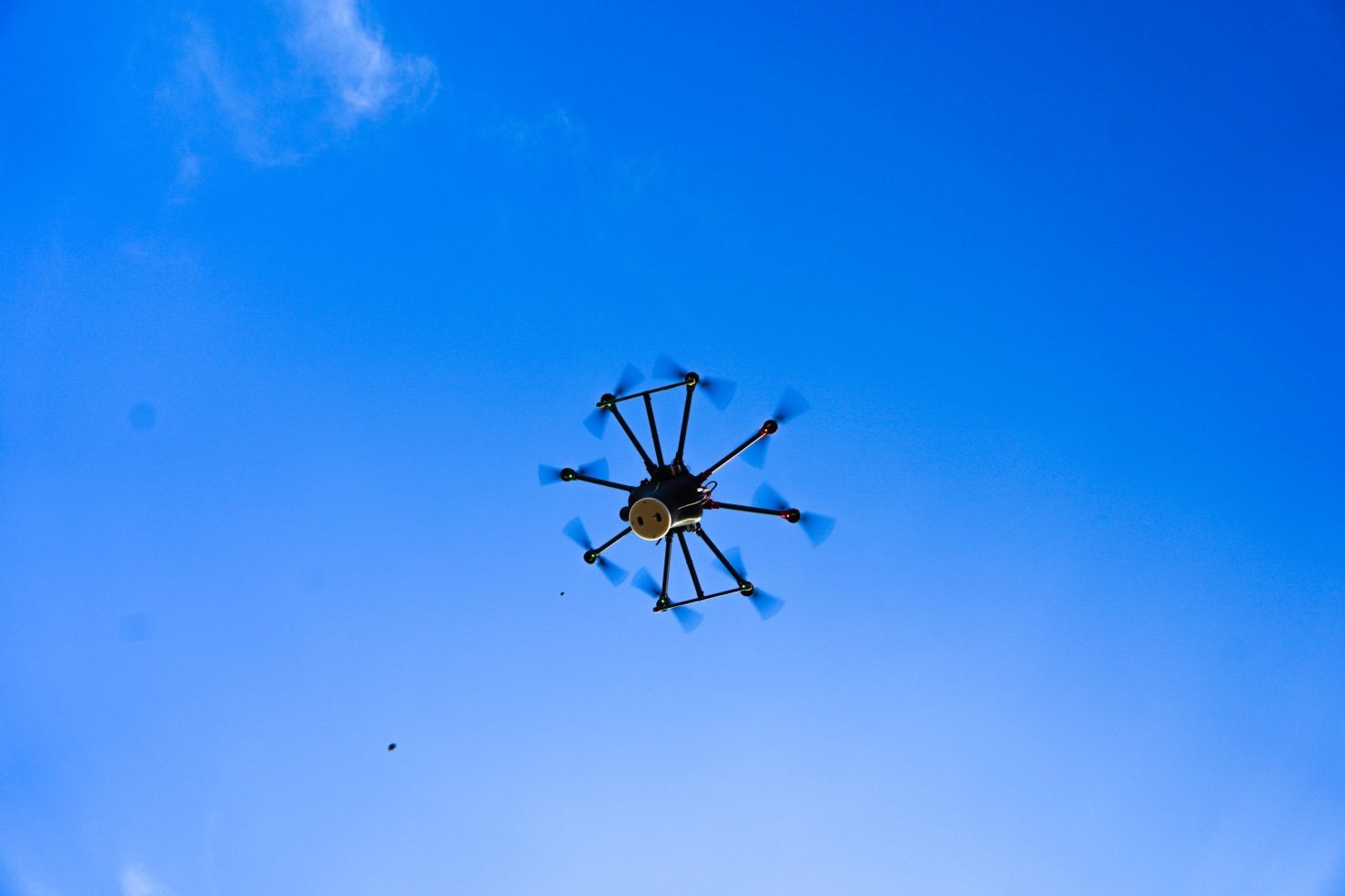
Technology continues to improve the effectiveness of aerial restoration.
At ecording, aerial seeding is supported by artificial intelligence, machine learning, computer vision, and advanced data analysis to make restoration activities more accurate and efficient.
Through its ecoDrone ecosystem restoration technology, ecording analyzes restoration sites, plans optimized flight routes, performs autonomous aerial seeding, and monitors restoration areas over time.
This data-driven approach helps improve operational efficiency while supporting more effective ecosystem restoration outcomes.
Restoring Ecosystems Together
The impacts of climate change are becoming increasingly visible, making large-scale ecosystem restoration more urgent than ever.
Achieving meaningful progress requires collaboration between governments, businesses, universities, research institutions, local communities, and civil society.
By investing in innovative restoration technologies, supporting biodiversity, and restoring degraded landscapes, we can strengthen nature's ability to respond to climate change while creating healthier ecosystems for future generations.
After all, we do not inherit the Earth from previous generations—we borrow it from those yet to come.