




What Is Global Warming? Is It the Same as Climate Change?
Table of Contents
Climate change is widely recognized as one of the greatest environmental and societal challenges of our time. Rising temperatures, more frequent extreme weather events, prolonged droughts, floods, wildfires, and rising sea levels are already affecting ecosystems, economies, and communities around the world.
At the center of these changes is global warming.
Global warming refers to the long-term increase in the Earth's average surface temperature caused by the accumulation of greenhouse gases in the atmosphere as a result of human activities. Since the Industrial Revolution, the extensive use of fossil fuels, deforestation, and changes in land use have significantly increased atmospheric concentrations of greenhouse gases such as carbon dioxide (CO₂), methane (CH₄), and nitrous oxide (N₂O).
These gases trap a portion of the Sun's heat within the atmosphere, intensifying the natural greenhouse effect and causing the planet to warm.
According to the Intergovernmental Panel on Climate Change (IPCC), the Earth's average surface temperature has increased by approximately 1.2°C compared to the pre-industrial period. Although this increase may appear relatively small, it is already having significant impacts on ecosystems, water resources, agriculture, human health, and economic activities worldwide.
Is Global Warming the Same as Climate Change?
Although these two terms are often used interchangeably, they do not mean the same thing.
Global warming refers specifically to the long-term increase in the Earth's average surface temperature.
Climate change, on the other hand, encompasses the broader range of changes driven by global warming. These include shifting precipitation patterns, prolonged droughts, more frequent extreme weather events, melting glaciers, rising sea levels, and widespread changes across ecosystems.
In other words, global warming is the primary driver of climate change, while climate change describes the wide range of environmental and societal impacts resulting from rising global temperatures.
Global Warming or Global Heating?
In recent years, some scientists and media organizations have suggested using the term “global heating” instead of “global warming.”
The reasoning behind this preference is that “global heating” more clearly emphasizes that the current changes are largely driven by human activities rather than being part of a natural process.
However, leading international organizations—including the IPCC, the United Nations, NASA, NOAA, and the World Meteorological Organization (WMO)—continue to use “global warming” as the primary scientific term in their reports and publications.
As a result, while both expressions are used today, global warming remains the most widely accepted term in scientific literature and international climate reporting.
The Main Causes of Global Warming
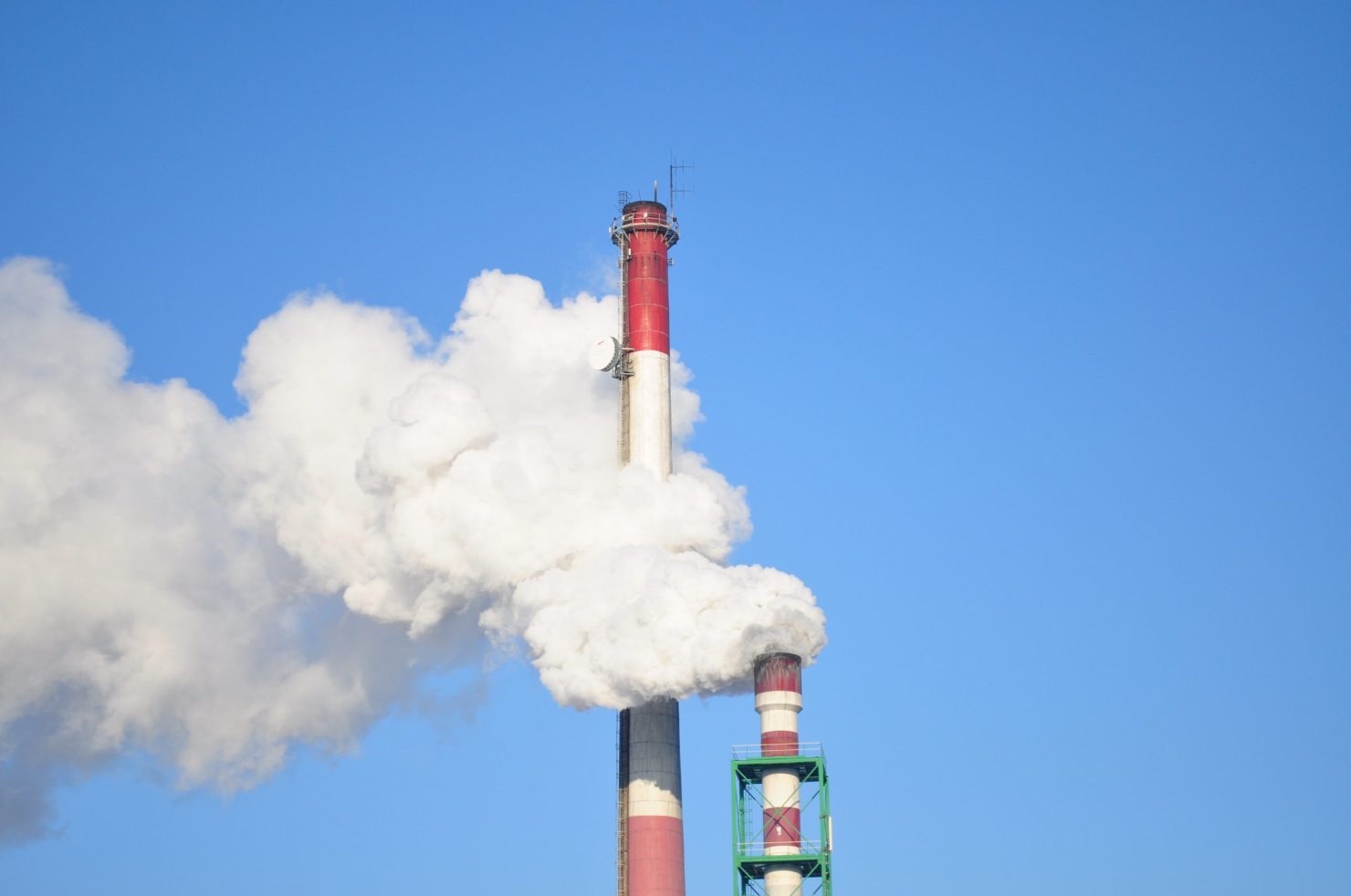
The primary cause of global warming is the rapid increase in greenhouse gases in the atmosphere resulting from human activities. These gases trap heat that would otherwise escape into space, disrupting the Earth's energy balance and increasing average global temperatures.
The main sources of greenhouse gas emissions include:
- Fossil fuel consumption: The use of coal, oil, and natural gas for electricity generation, industry, transportation, and buildings remains the largest source of global greenhouse gas emissions.
- Deforestation and land-use change: Forests act as natural carbon sinks by absorbing carbon dioxide from the atmosphere. Deforestation reduces this capacity while also releasing stored carbon back into the atmosphere.
- Agriculture and livestock production: Livestock farming, rice cultivation, and fertilizer use generate significant amounts of methane (CH₄) and nitrous oxide (N₂O), both of which are potent greenhouse gases.
- Industrial processes: Cement production, chemical manufacturing, and other industrial activities contribute substantially to global greenhouse gas emissions.
Scientific evidence clearly shows that the global warming observed today is primarily driven by human activities. While natural climate variability has always existed, the rapid increase in global temperatures over the past century cannot be explained by natural processes alone.
The Current Global Outlook
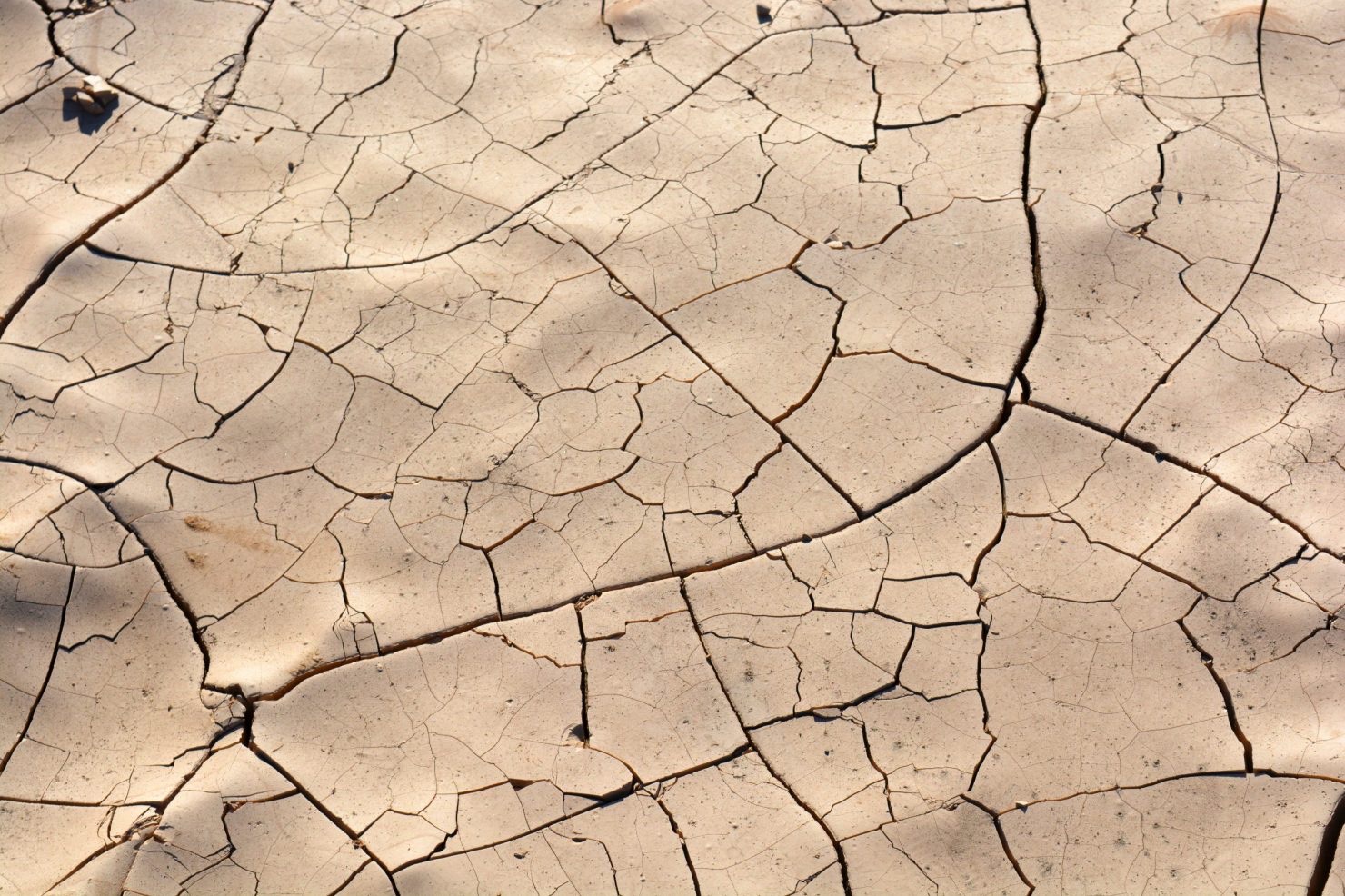
Recent international climate assessments show that the impacts of global warming are becoming increasingly evident each year.
According to the World Meteorological Organization (WMO) and the Copernicus Climate Change Service, recent years have been the warmest ever recorded. Ocean temperatures have reached record highs, sea levels continue to rise, and glaciers are melting at an accelerating rate.
At the same time, many regions around the world are experiencing:
- Longer and more intense heatwaves
- More frequent heavy rainfall and flooding
- Prolonged droughts
- Larger and more destructive wildfires
- Declining marine ecosystem health
- Accelerating biodiversity loss
According to the IPCC, every additional fraction of a degree of warming increases climate-related risks. Limiting global temperature rise to 1.5°C remains critical for reducing the most severe impacts of climate change.
How Is Global Warming Affecting Türkiye?
The Mediterranean Basin is considered one of the regions most vulnerable to climate change, and Türkiye is expected to experience many of its impacts.
Scientific projections indicate that Türkiye will face more frequent heatwaves, increasing drought risk, and growing pressure on its water resources in the coming decades.
Some of the most significant projected impacts include:
- Longer-lasting and more intense summer heatwaves
- Increasing drought risk, particularly across the Mediterranean, Aegean, and Southeastern Anatolia regions
- More frequent and severe wildfires
- Increased flooding caused by more intense rainfall events
- Greater pressure on agricultural production and food security
- Declining water availability and growing challenges in water resource management
These impacts extend beyond natural ecosystems and are expected to affect agriculture, energy production, public health, tourism, and urban development. Strengthening climate adaptation measures while reducing greenhouse gas emissions has therefore become a strategic priority for Türkiye.
Why Do We Need to Act Now?
Climate change is not a distant challenge—it is a global reality whose impacts are already being felt around the world.
Scientific research shows that rapidly reducing greenhouse gas emissions can significantly limit the most severe consequences of climate change. Conversely, continuing emissions at current rates will increase the frequency of extreme weather events, accelerate ecosystem degradation, and lead to greater economic losses.
Addressing these challenges requires coordinated action from governments, businesses, and individuals alike.
Accelerating the transition to renewable energy, improving energy efficiency, protecting and restoring natural ecosystems, promoting sustainable production and consumption, and investing in low-carbon technologies are among the most effective ways to mitigate climate change.
Limiting global warming is essential not only for protecting the environment, but also for supporting economic resilience, strengthening societies against climate-related risks, and ensuring a more sustainable future for generations to come.
References
- Intergovernmental Panel on Climate Change (IPCC). Sixth Assessment Report (AR6) Synthesis Report (2023).
- World Meteorological Organization (WMO). State of the Global Climate.
- Copernicus Climate Change Service (C3S). Climate Indicators & Global Climate Highlights.
- NASA Global Climate Change. Evidence & Causes of Climate Change.
- National Oceanic and Atmospheric Administration (NOAA). Climate.gov.
- United Nations Climate Change (UNFCCC). Climate Change Explained.
- United Nations Environment Programme (UNEP). Emissions Gap Report.