

What Is Afforestation? How Is It Done and Why Does It Matter?
Table of Contents
Afforestation is the planned establishment of suitable tree and shrub species on land that has lost its tree cover through natural causes or human activity, or that has never been forest. Its purpose is not simply to plant new trees: it aims to protect the soil, strengthen the ecosystem, increase carbon storage capacity and create more liveable natural areas for future generations.
Today, climate change, forest fires, drought and rapid urbanisation are putting natural areas under growing pressure every year. That is why afforestation is seen not only as an environmental practice but as a long-term investment that is critical for sustainable development, biodiversity conservation and the fight against climate change.
Why Is Afforestation Carried Out?
Protecting and improving natural areas is not possible by conserving existing forests alone. Re-establishing trees on land that has been damaged or has lost its productivity over time makes an important contribution to keeping ecological balance.
The main goals of afforestation include:
- Helping to prevent erosion
- Supporting the balancing of carbon emissions
- Increasing biodiversity
- Creating new habitats for wildlife
- Helping to protect water resources
- Improving air quality
- Contributing to reducing the impacts of climate change
- Leaving healthier natural areas to future generations
A successful afforestation effort is judged not by the number of saplings planted, but by the healthy ecosystem that exists years later.
How Is Afforestation Done?
Afforestation is not a random planting activity. Every project is planned around the climate, soil structure, slope, rainfall and natural vegetation of the site. Choosing the wrong species or unsuitable methods can mean that most of the planted saplings fail to survive.
In general, an afforestation project consists of the following stages:
Analysing the Site
The first step is a detailed study of the area. The physical and chemical properties of the soil, its water status, slope, altitude and climate data are assessed to determine which species can grow there.
Choosing the Right Species
Selecting species that can adapt to local climate conditions is essential. Species that suit the natural character of the region reach higher survival rates and contribute more to the ecosystem they become part of.
Preparing the Soil
On some sites the soil is worked, its water-holding capacity is improved and a planting environment that supports young saplings is prepared. This stage can significantly affect success, especially in drought-prone regions.
Planting or Seeding
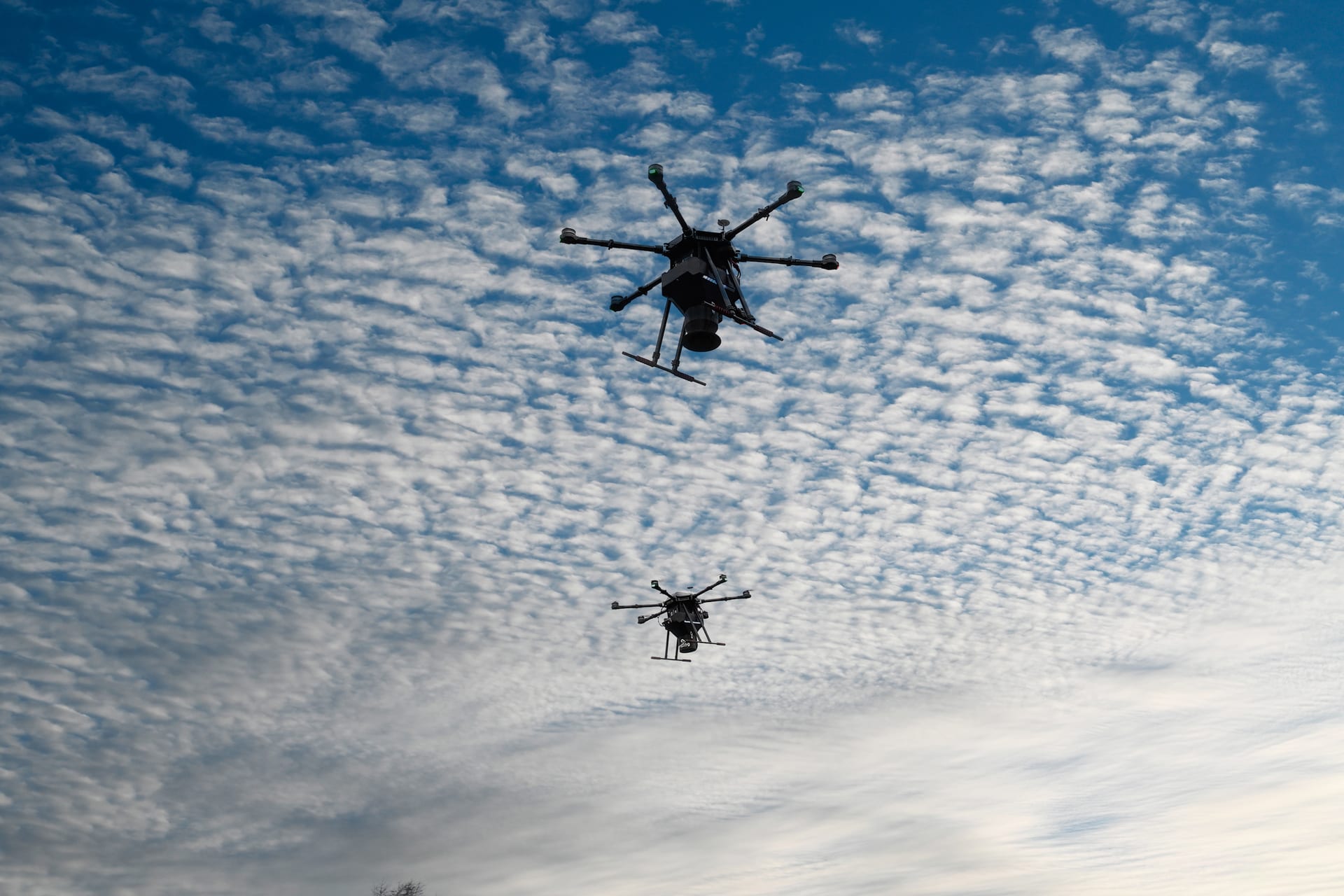
The most common method in afforestation projects is planting saplings. Alongside this, direct seeding, seed balls and seeding with drones are increasingly used, particularly on large or hard-to-reach land.
Whichever method is chosen, long-term success depends on regular care and monitoring.
The Environmental Benefits of Afforestation
The effects of afforestation are not limited to the planted area. The new green areas it creates also have a positive influence on the surrounding ecosystem. This is why afforestation projects are recognised in many countries as an important part of climate policy and nature conservation strategy.
Trees store carbon dioxide from the atmosphere and can help reduce greenhouse gas concentrations, acting as a natural carbon sink. Their root systems hold the soil together and reduce erosion risk, help rainwater seep into the ground and support the water cycle.
Newly created green areas also provide habitat for birds, insects, mammals and many plant species, helping biodiversity to grow. In regions where natural habitats have been fragmented in particular, well-planned afforestation can help restore ecological connections.
Conclusion
Afforestation is not just about putting a certain number of saplings into the ground. It is about making sure the right species grow in the right places, creating healthy ecosystems that will last for many years. Successful afforestation is only possible when scientific planning, appropriate species selection, regular care and long-term monitoring are carried out together.
At a time when climate change, forest fires and land degradation are increasing, afforestation plays an important role in protecting natural resources and leaving more resilient ecosystems for the future. Conscious afforestation projects, carried out with the joint contribution of public institutions, the private sector, civil society and individuals, are long-term investments in the quality of life not only of today but of future generations.
It is worth remembering that strong forests are built not just by the saplings planted, but by healthy ecosystems that develop over the years and can sustain their own cycles.
References
- FAO. Global Forest Resources Assessment (FRA).
- FAO. The State of the World’s Forests.
- UN Decade on Ecosystem Restoration. decadeonrestoration.org.
- IPCC. Special Report on Climate Change and Land.
- General Directorate of Forestry of Türkiye (OGM). ogm.gov.tr.