


What Is Reforestation? The Scientific Path to Restoring Ecosystems
Table of Contents
Reforestation is the planned work of turning land that has lost its forest character through natural causes or human activity, or that has been without tree cover for many years, back into a healthy and sustainable forest ecosystem. The process is not just about planting trees: it is a holistic approach to nature restoration that covers the revival of the soil, the development of vegetation, the return of wildlife and the restarting of ecological processes.
Planting thousands of saplings in an area does not mean it will quickly become a forest. A real forest is a living ecosystem in which trees interact with shrubs, herbaceous plants, fungi, microorganisms, insects, birds, mammals and many other organisms. The core aim of successful reforestation is therefore not simply to increase the number of trees, but to create a healthy habitat that can sustain its own natural cycles.
Climate change, forest fires, drought, unplanned urbanisation and land degradation are putting natural forests under pressure in many parts of the world. According to the United Nations, millions of hectares of forest are lost every year for a variety of reasons. Reforestation is considered one of the most important nature-based solutions for offsetting these losses: it increases carbon storage capacity, supports biodiversity and restores ecosystem services.
Are Reforestation and Afforestation the Same Thing?
Reforestation and afforestation are often used interchangeably in everyday language, but in forestry and ecology they are different concepts.
Afforestation is a general practice that refers to bringing trees to a particular area. Saplings planted along roadsides, in city parks, in industrial zones or on other suitable land all fall within its scope.
Reforestation is much broader. The goal is not only to grow trees but to create, over time, a forest ecosystem that functions through its own natural processes. This requires soil structure, native plant species, water resources, wildlife, climate conditions and ecological relationships to be assessed together.
In short, every reforestation effort includes tree planting, but not every tree planting effort is reforestation.
How Does an Area Turn Into a Forest?
An area becomes a forest ecosystem through a combination of natural and planned processes that take many years. In the first years, the physical structure of the soil begins to improve. Organic matter increases, microorganisms multiply and soil life recovers.
Different plant species then begin to settle in the area. As shrubs, herbaceous plants and young trees grow, new habitats form for birds, insects, small mammals and many other organisms. Over time, with their contribution to the ecosystem, natural processes such as seed dispersal, pollination and nutrient cycling grow stronger.
In a maturing forest, it is not only trees that live together but fungi, microorganisms, invertebrates and hundreds of other species. Re-establishing this natural balance is the real purpose of reforestation.
Why Is Reforestation Important?
Healthy forests provide many ecosystem services that people benefit from every day without noticing: clean air, clean water, fertile soil and biodiversity above all. Forest loss does not only mean losing trees; it can also disrupt many natural processes, from the water cycle to climate regulation.
This is why reforestation is now recognised as a core component of environmental protection policy.
It Contributes to Tackling Climate Change
As trees grow, they take carbon dioxide from the atmosphere and store carbon in their trunks, roots and the soil. This is why forests are described as natural carbon sinks. Newly established healthy forests can help increase carbon storage capacity in the long term.
It Supports Biodiversity
Every forest is home to hundreds or even thousands of species. Birds, mammals, reptiles, insects, fungi and plants form different parts of the same ecosystem. Reforestation can make it possible for damaged habitats to form again.
It Protects Soil and Water Resources
Plant roots hold the soil together and reduce the risk of erosion. They also help rainwater seep into the soil, contributing to the recharge of groundwater. Well-planned reforestation, especially on sloping land, can also help reduce flood risk.
Which Methods Are Used in Reforestation?
Because no two sites are alike, reforestation does not rely on a single method. The region’s climate, topography, soil structure and target ecosystem determine which methods are used.
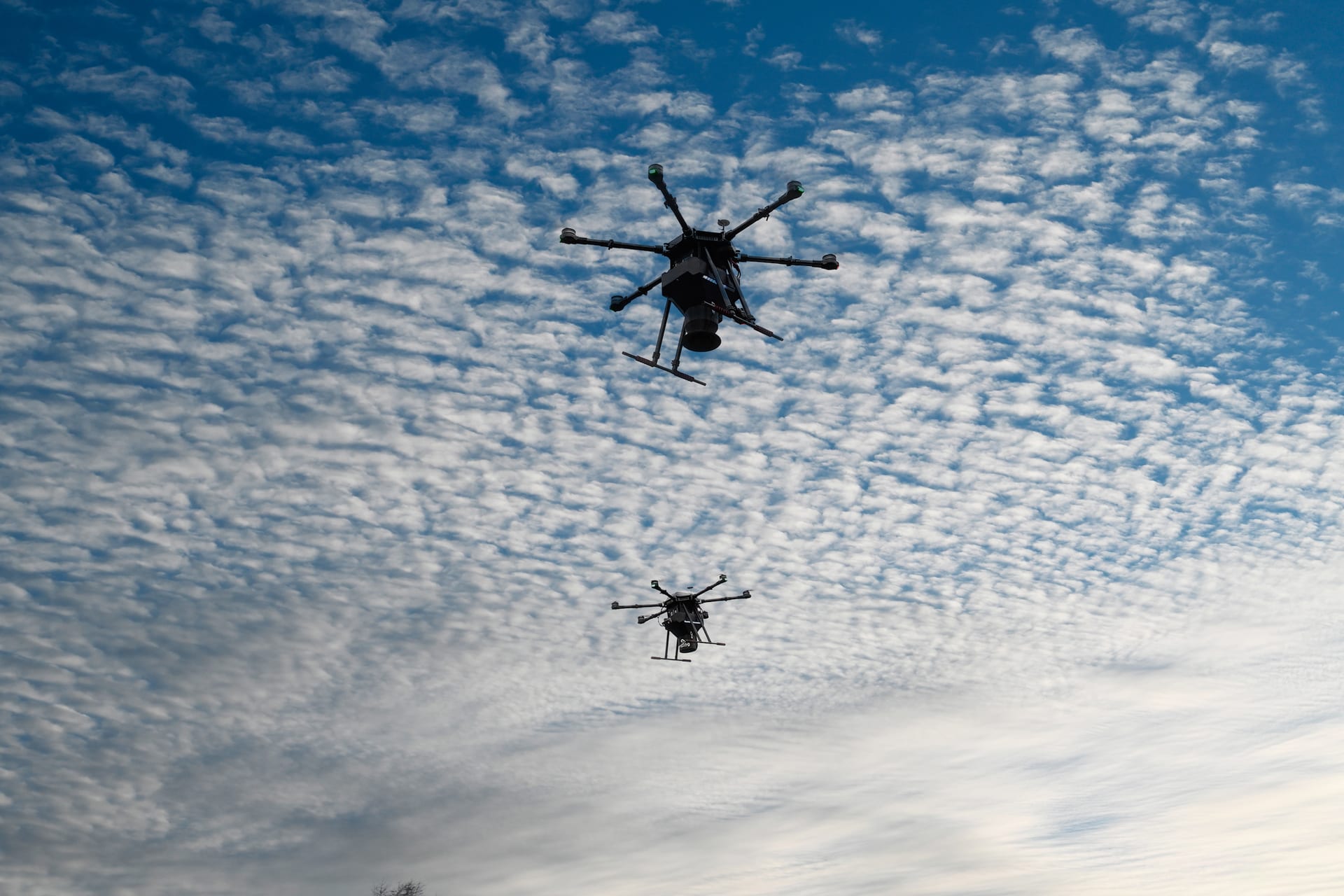
The most common method is planting suitable species as saplings. Direct seeding, assisted natural regeneration and seeding with drones are also preferred, particularly over large areas.
In recent years, satellite imagery, remote sensing and AI-supported analysis have made it possible to identify suitable areas, select species and track growth more precisely. Technology alone is not enough, however: successful reforestation is founded on ecological knowledge and long-term site management.
What Makes Reforestation Successful?
The success of reforestation is not measured by the number of saplings planted in the first year. Real success is the healthy ecosystem that exists years later, a high survival rate and natural processes that can continue on their own.
Successful projects therefore consider the following together:
- Choosing native species suited to the region
- Protecting and improving soil structure
- Planning water management correctly
- Regular maintenance and monitoring
- Supporting biodiversity
- Protecting natural regeneration processes
Conclusion
Reforestation is a long-term ecological restoration process that aims not only to grow new trees but to rebuild natural life with all its components. Well-planned work makes important contributions in many areas, from tackling climate change and protecting biodiversity to managing water resources sustainably and improving soil health.
Through the right choice of species, scientific planning, regular monitoring and the combined use of technological innovation, reforestation projects will remain one of the most effective ways to leave more resilient and sustainable ecosystems to future generations.
References
- FAO. Global Forest Resources Assessment (FRA).
- FAO. The State of the World’s Forests.
- UN Decade on Ecosystem Restoration. decadeonrestoration.org.
- IPCC. Special Report on Climate Change and Land.
- IUCN. Forests.