




Forest Fires in Türkiye: Causes, Impacts, and Prevention Strategies
Table of Contents
Forest fires are a natural part of many ecosystems, but in recent years they have become more frequent, more intense, and more widespread across many parts of the world. Rising temperatures, prolonged droughts, and changing climate conditions are contributing to longer fire seasons and increasing the risk of large-scale wildfires.
Located within the Mediterranean climate zone, Türkiye is among the countries most vulnerable to forest fires. During the summer months, high temperatures, low humidity, and strong winds create conditions that allow fires—whether caused by natural events or human activities—to spread rapidly across large areas.
However, the consequences of forest fires extend far beyond the loss of trees. They can affect biodiversity, soil health, water resources, air quality, and local communities. For this reason, effective wildfire management is not limited to extinguishing fires. It also includes reducing fire risks, preventing human-caused ignitions, and supporting the scientific restoration of ecosystems after fires occur.
In this article, we explore the primary causes of forest fires in Türkiye, their environmental and social impacts, and practical strategies that can help reduce wildfire risk while supporting healthier and more resilient ecosystems.
What Is a Forest Fire?
According to the United Nations, a forest fire is an uncontrolled fire that burns through forests, woodlands, shrublands, grasslands, or other natural vegetation. While some fires are triggered by natural events, many are caused by human activities.
For a forest fire to ignite and spread, three essential elements must be present. Known as the Fire Triangle, this model consists of fuel, heat, and oxygen.
- Fuel includes trees, shrubs, dry grass, leaves, and other combustible vegetation.
- Heat can come from lightning, campfires, discarded cigarettes, power lines, machinery, or other ignition sources.
- Oxygen in the atmosphere sustains the combustion process once a fire has started.
When these three elements come together under favorable weather conditions, a small ignition can quickly develop into a large wildfire. High temperatures, low humidity, and strong winds can significantly accelerate fire behavior, making fires more difficult to contain.
A wildfire's behavior is also influenced by the surrounding landscape. On steep slopes, fires typically spread uphill more rapidly as heat rises and preheats vegetation ahead of the flames. Strong winds can carry embers over long distances, igniting new fires far beyond the original fire front. As a result, the development and spread of forest fires depend not only on how they start, but also on weather conditions, topography, and the characteristics of the surrounding ecosystem.
Causes of Forest Fires
Forest fires rarely result from a single cause. Instead, they are typically driven by a combination of climate conditions, vegetation, landscape characteristics, and human activities. While some fires occur naturally, a significant proportion are linked to preventable human actions.
Climate Change
Climate change is widely recognized as one of the key factors influencing the frequency and severity of forest fires. Rising temperatures, prolonged droughts, and declining soil moisture create drier landscapes where vegetation ignites more easily.
In Türkiye, which lies within the Mediterranean climate zone, increasingly frequent heatwaves and longer fire seasons have heightened wildfire risk. Strong winds can further accelerate the spread of flames and embers, making fires more difficult to contain and increasing the likelihood of large-scale events.
Although climate change is not the sole cause of forest fires, it creates conditions that allow fires to spread more rapidly, burn more intensely, and become increasingly difficult to control.
Human Activities
As in many parts of the world, most forest fires in Türkiye are associated with human activities. Carelessness, negligence, or failure to follow safety regulations can allow a small ignition source to develop into a large wildfire.
Common human-related causes of forest fires include:
- Unattended campfires or barbecue fires
- Discarded cigarette butts
- Uncontrolled agricultural burning
- Faults in power transmission lines
- Sparks generated during construction, maintenance, or forestry operations
- Deliberately ignited fires (arson)
Many of these fires can be prevented through responsible behavior, public awareness, and compliance with local fire restrictions, particularly during periods of high wildfire risk.
Natural Causes
Not all forest fires are caused by human activity. Some occur as part of natural ecological processes, with lightning being one of the most common natural ignition sources worldwide.
When lightning strikes during hot, dry conditions, it can ignite dry vegetation and trigger wildfires. Although naturally occurring fires account for a smaller proportion of forest fires in Türkiye than human-caused fires, they can still spread rapidly, particularly in remote or difficult-to-access areas.
Topography and Vegetation
The way a forest fire spreads depends not only on how it starts but also on the characteristics of the surrounding landscape and vegetation.
On steep terrain, fires generally move uphill more quickly as rising heat preheats vegetation ahead of the flames. Strong winds can transport embers over considerable distances, creating new ignition points far from the main fire.
Vegetation also plays a significant role in determining fire behavior. Dense vegetation, prolonged dry conditions, and plant species with high resin content can all contribute to faster fire spread and greater fire intensity.
For this reason, forest fires are best understood as the result of a complex interaction between climate, human activities, topography, and ecosystem characteristics.
Types of Forest Fires in Türkiye
Forest fires are classified according to where they burn and how they spread. In Türkiye, the two most common types are surface fires and crown fires. Identifying the type of fire is essential, as it influences suppression strategies, fire behavior, and the extent of ecological damage.
Surface Fires
Surface fires burn the layer of dry leaves, grasses, shrubs, and other organic material on the forest floor. Because they generally remain close to the ground, they can often be contained more effectively when detected and addressed early.
Not every surface fire results in the complete loss of trees. However, depending on the fire's intensity and duration, young seedlings, understory vegetation, and soil-dwelling organisms may be significantly affected. If left uncontrolled, surface fires can spread to tree trunks and eventually reach the forest canopy, developing into more severe crown fires.
Crown Fires
Crown fires spread through the upper canopy of a forest, burning the crowns of trees and moving rapidly from one treetop to another. Under conditions such as strong winds, low humidity, and dense vegetation, they can spread extremely quickly and become difficult to control.
These fires often cause extensive tree loss and can have severe consequences for biodiversity and ecosystem health. Because they generate intense heat and spread rapidly, crown fires are generally much more challenging to suppress than surface fires. Recovery can also take considerably longer, particularly in areas where both vegetation and soil have been heavily affected.
Regardless of the type of fire, early detection and rapid response are critical to limiting fire spread, protecting natural ecosystems, and reducing long-term environmental impacts.
Impacts of Forest Fires
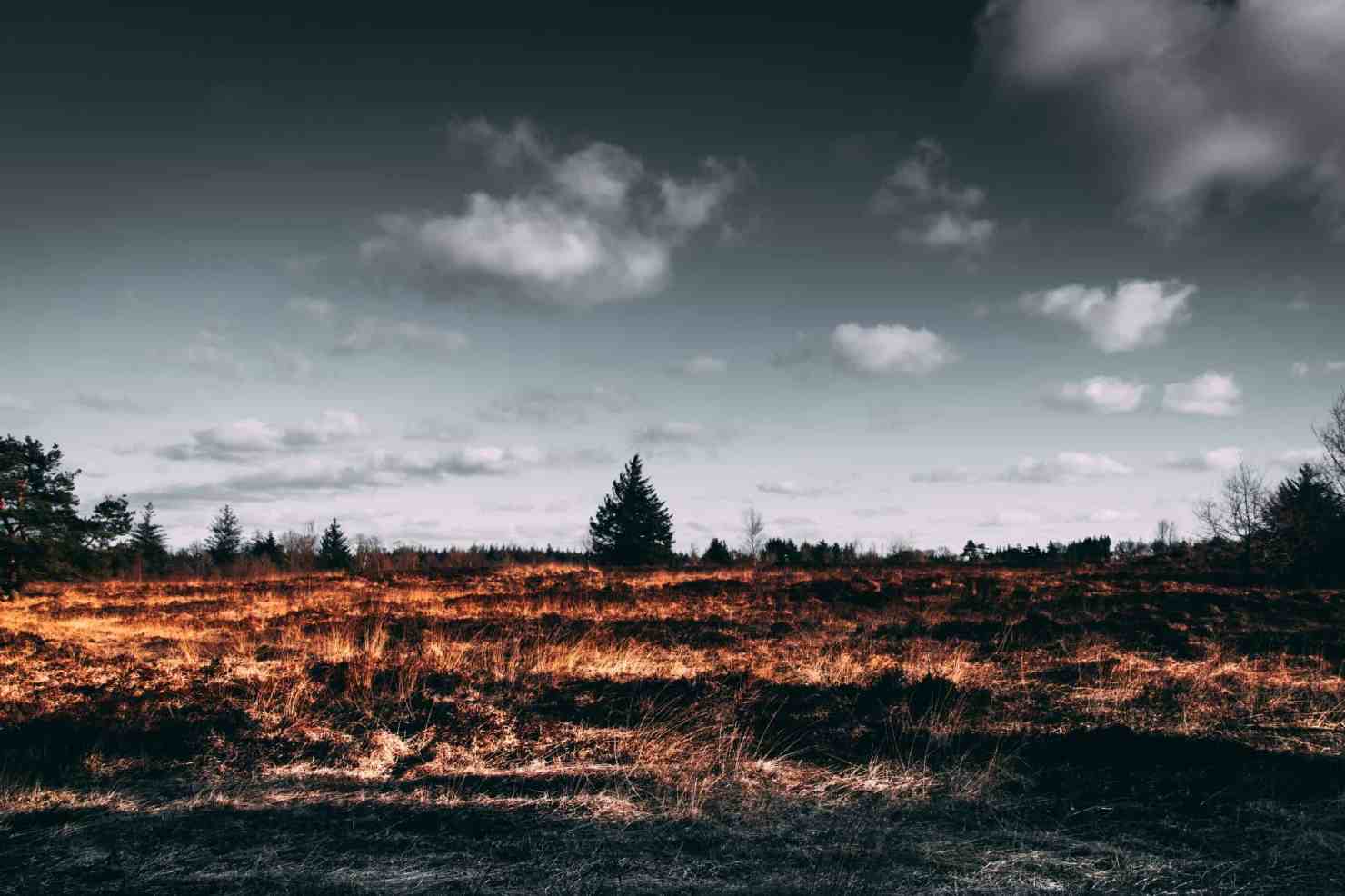
The impacts of forest fires extend far beyond the loss of trees. They can affect biodiversity, soil health, water resources, air quality, local economies, and human well-being. The scale and duration of these impacts depend on factors such as fire intensity, the size of the affected area, and the resilience of the ecosystem.
Biodiversity and Wildlife
Forests provide habitat for thousands of species, including mammals, birds, reptiles, insects, fungi, and countless microorganisms. Large-scale forest fires can damage or destroy these habitats, disrupting the complex relationships that sustain healthy ecosystems.
During a wildfire, many animals are directly affected, while those that survive may lose access to food, shelter, and breeding grounds. As a result, ecosystem balance can be disrupted, and some species may require years—or even decades—to recover their populations.
At the same time, certain plant and animal species have evolved adaptations that help them survive or recover after fire. The pace of ecological recovery depends on factors such as fire severity, the size of the burned area, and the effectiveness of post-fire restoration efforts.
Soil and Water Resources
Forest fires can alter both the physical and chemical properties of soil. Once vegetation is lost, the ground becomes more vulnerable to erosion caused by rainfall and wind, increasing the risk of losing nutrient-rich topsoil.
After a fire, rainfall can wash ash, sediment, and other materials into rivers, lakes, and reservoirs, reducing water quality. Burned soils may also absorb less water, leading to greater surface runoff and an increased risk of flooding and erosion.
Healthy forest ecosystems play a vital role in protecting watersheds, regulating the water cycle, and helping soils retain moisture. Preserving forests therefore supports both ecosystem resilience and long-term water security.
Air Quality and Climate
Forest fires release large amounts of smoke, fine particulate matter, and greenhouse gases into the atmosphere. These emissions can significantly reduce air quality, posing health risks—particularly for children, older adults, and people with respiratory conditions.
Wildfires can also temporarily reduce a forest's ability to store carbon. Healthy forests naturally absorb and store carbon dioxide, helping to regulate the global carbon cycle. When large areas burn, part of this stored carbon is released back into the atmosphere, while the forest's capacity to absorb future emissions is reduced until vegetation recovers.
For these reasons, protecting forests is essential not only for conserving biodiversity but also for supporting climate change mitigation efforts.
Economy and Communities
The impacts of forest fires extend beyond natural ecosystems. Communities, agricultural land, infrastructure, tourism, and local livelihoods can all be affected by large-scale wildfires.
Fire suppression operations require substantial financial resources, specialized equipment, and coordinated emergency response. Recovery does not end once the flames are extinguished; ecological rehabilitation and restoration efforts often continue for many years. In regions where forestry, agriculture, or tourism play a significant economic role, prolonged recovery can also affect local livelihoods and regional economies.
Reducing wildfire risk therefore requires a comprehensive approach that goes beyond emergency response. Prevention, early detection, public awareness, sustainable land management, and science-based ecosystem restoration all play critical roles in building more resilient landscapes.
How Does Nature Recover After Forest Fires?
In the aftermath of a forest fire, burned landscapes may appear completely devastated. However, many ecosystems have a remarkable capacity to recover over time. The pace and extent of this recovery depend on factors such as fire severity, the types of vegetation affected, soil conditions, and local climate.
Many plant species native to the Mediterranean region have evolved alongside fire for thousands of years. One notable example is the Turkish red pine (Pinus brutia), one of Türkiye's most widespread forest tree species. Under high temperatures, its cones can release seeds, allowing natural regeneration to begin once environmental conditions become favorable.
However, not all fires have the same ecological consequences. High-intensity or long-lasting fires can damage soil structure, reduce seed banks, and affect the microorganisms that support healthy ecosystems. In these cases, natural recovery may take much longer, and carefully planned restoration measures may be needed to help ecosystems recover.
For this reason, post-fire recovery should always be guided by scientific assessment. Factors such as ecosystem type, fire severity, natural regeneration potential, and local biodiversity should all be considered before restoration efforts begin.
Should Every Burned Area Be Replanted?
One of the most common questions after a forest fire is whether every burned area should be replanted immediately. Contrary to popular belief, immediate tree planting is not always the most effective approach.
Before deciding on restoration actions, experts assess the severity of the fire, soil conditions, the site's natural regeneration potential, and the composition of native plant species. In some cases, ecosystems are capable of recovering naturally, while others may require active restoration interventions.
Importantly, ecosystem restoration is about far more than planting trees. Its goal is to restore the relationships between soil, vegetation, water systems, wildlife, and other ecological processes that allow an ecosystem to function and remain resilient over time. As a result, restoration strategies should always be tailored to the specific ecological characteristics and recovery needs of each site.
When planned and implemented using scientific principles, restoration efforts can support natural regeneration, strengthen ecosystem resilience, and help landscapes recover more effectively over the long term.
Today, innovative technologies—including remote sensing, unmanned aerial vehicles (UAVs), and AI-powered environmental analysis—are helping experts assess post-fire conditions, prioritize restoration areas, and support ecosystem recovery more efficiently across large landscapes.
How Can Forest Fires Be Prevented?
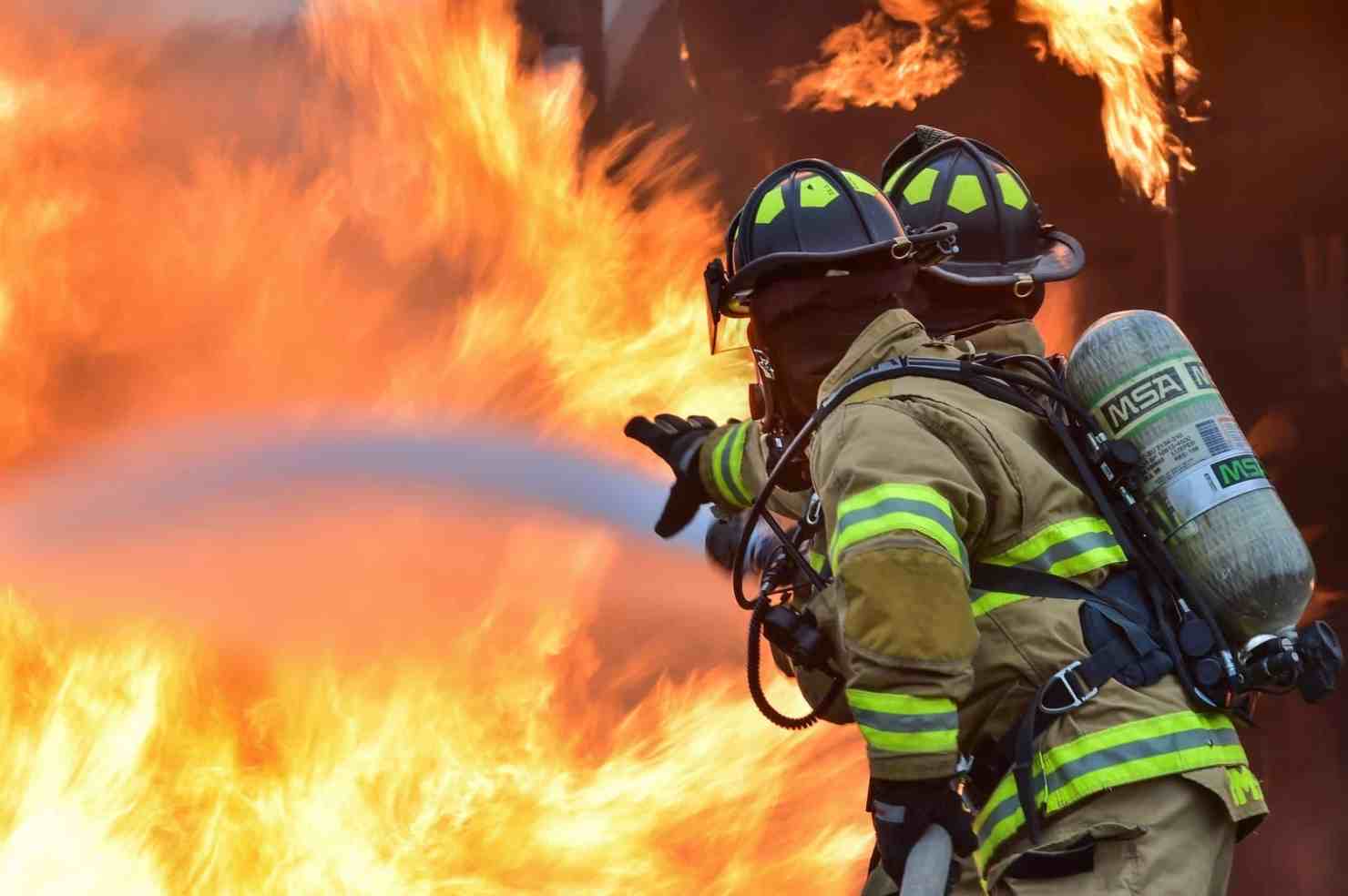
Although it is impossible to prevent every forest fire, the risk can be significantly reduced through responsible human behavior, effective land management, and proactive prevention strategies. During periods of high wildfire risk, following official guidance and taking simple precautions can help prevent many fires before they start.
What Individuals Can Do
Since many forest fires are linked to human activities, everyday actions can make a meaningful difference in reducing wildfire risk.
When spending time in or near forests, consider the following precautions:
- Light campfires or barbecues only in designated areas and ensure they are completely extinguished before leaving.
- Never discard cigarette butts on the ground or from vehicle windows.
- Follow local fire restrictions and temporary bans during periods of high wildfire risk.
- Do not leave glass, metal, or other waste in natural areas, and always take your litter with you.
- Report any signs of smoke or uncontrolled fire to the relevant authorities immediately.
Even small acts of negligence can quickly escalate into large wildfires under hot, dry, and windy conditions.
Practicing Responsible Behavior Outdoors
Wildfire risk is not limited to open flames. During periods of high temperatures, low humidity, and strong winds, many outdoor activities can increase the likelihood of accidental ignition.
Before visiting natural areas, it is important to check weather forecasts and follow official announcements regarding wildfire risk. On days with elevated fire danger, avoid activities that could generate sparks or flames and comply with any temporary access restrictions introduced to protect forests and surrounding ecosystems.
These preventive measures are designed to reduce wildfire risk and help protect both people and nature.
The Role of Early Detection and Technology
Wildfire management begins long before a fire is extinguished. Early detection systems and advanced technologies play a crucial role in identifying fires quickly, enabling faster response, and reducing their potential impact.
Today, satellite imagery, unmanned aerial vehicles (UAVs), remote sensing technologies, and AI-powered analytics are helping monitor high-risk areas, detect wildfires at earlier stages, and improve decision-making throughout emergency response operations.
Technology also supports post-fire damage assessment and the planning of ecosystem restoration projects. By combining scientific data with innovative tools, restoration efforts can be prioritized more effectively, improving the long-term recovery and resilience of affected landscapes.
Conclusion
Forest fires are far more than the loss of trees. They are complex ecological events that affect biodiversity, soil health, water resources, air quality, local communities, and regional economies.
Reducing wildfire risk requires a holistic approach that combines public awareness, responsible land management, early detection systems, and science-based ecosystem restoration. Every precaution taken by individuals, communities, and institutions contributes to protecting natural landscapes and strengthening ecosystem resilience.
As the impacts of climate change become increasingly visible, protecting forests is not only about conserving today's ecosystems—it is also an investment in the well-being of future generations.
Restoring fire-affected ecosystems requires long-term planning, scientific expertise, and innovative solutions. At ecording, we combine AI-powered technologies with ecoDrone to support ecosystem restoration projects designed to help nature recover more efficiently and sustainably. Explore our solutions to learn more about our approach to restoring resilient ecosystems.
References
- Intergovernmental Panel on Climate Change (IPCC). Sixth Assessment Report (AR6) Synthesis Report.
- Copernicus Emergency Management Service. European Forest Fire Information System (EFFIS).
- Food and Agriculture Organization of the United Nations (FAO). Fire Management.
- UN Environment Programme (UNEP). Ecosystems and Biodiversity.
- United Nations. UN Decade on Ecosystem Restoration.
- Republic of Türkiye, Ministry of Agriculture and Forestry. General Directorate of Forestry (OGM).
- World Resources Institute (WRI). Forests, Wildfires and Climate.