

What Is a Forest? Characteristics, Types and Importance for Ecosystems
Table of Contents
A forest is not simply a community formed by trees gathering in one area. It is a complex ecosystem in which trees, shrubs, herbaceous plants, fungi, microorganisms and thousands of other species live in interaction with one another. Thanks to the natural balance between soil, water, climate and living things, forests are considered among the most important habitats on Earth.
The presence of many trees in a region does not make it a forest. A real forest is an ecological system that can renew itself, sustain its energy and nutrient cycles, provide habitat for different species and keep natural processes running without interruption. Forests are therefore not just green spaces but natural centres of life that shape the planet’s climate, water resources and biodiversity.
About one third of the world’s land area is covered by forests. From tropical rainforests to coniferous boreal forests, from Mediterranean forests to mangrove ecosystems, forests develop under very different climates and are home to millions of plants, animals and microorganisms. For people, they provide many vital ecosystem services, such as clean air, clean water, fertile soil and a stable climate.
How Does a Forest Form?
The formation of a forest is a natural process that can take many years, even centuries. Not only trees develop during this process, but also the microorganisms that build the soil, fungi, insects and other plant species.
In the first stage, pioneer plant species appear where climate and soil conditions allow. Over time shrubs and young trees develop, organic matter increases and the soil becomes more fertile. With this change, birds, mammals, insects and other animals begin to settle in the area. Over the years the ecosystem matures and a self-sustaining forest structure takes shape.
This natural development process is called ecological succession. A healthy forest is the product of the complex relationships between living things that form at the end of this long process.
The Main Components of a Forest
A forest is not made up of trees alone. A healthy forest ecosystem consists of many living and non-living elements that complement one another.
Trees
Trees are the most visible component of the forest. Through photosynthesis they store carbon, produce oxygen and create habitat for many organisms. Read more in our article What Is a Tree?
Shrubs and Herbaceous Plants
They enrich the forest floor, protect the soil and provide shelter for small animals.
Soil
Forest soil is not made of minerals alone. Thanks to organic matter, fungi, bacteria and countless microorganisms, it has a living structure. Healthy soil is fundamental to a forest’s sustainability.
Fungi and Microorganisms
They break down fallen leaves and dead organic matter, keeping the nutrient cycle going. Many also form symbiotic relationships with tree species, helping roots take up water and minerals.
Wildlife
Birds, mammals, reptiles, amphibians, insects and other animals help maintain the natural balance of the forest. Each species has a different role in the ecosystem.
Types of Forests
Forests are grouped by climate, dominant tree species and geographical features.
Tropical Forests
Found around the equator, these forests are among the ecosystems with the highest biodiversity in the world.
Temperate Forests
They occur in regions with four distinct seasons. Deciduous and evergreen species can grow side by side.
Coniferous Forests
Common in cold climate regions, these forests consist of species such as pine, spruce, fir and cedar.
Mediterranean Forests
They develop in regions with hot, dry summers and mild winters. A large part of Türkiye has Mediterranean forest ecosystems, and the Turkish red pine is one of their characteristic species.
Why Forests Matter for Ecosystems
Forests are indispensable ecosystems for the continuation of life. Their benefits are not limited to the area they cover; they affect climate, water and carbon cycles at regional and global scales.
Carbon Storage
During photosynthesis, trees take carbon dioxide from the atmosphere and store carbon in their trunks, roots and the soil. This makes forests among the most important natural carbon sinks in tackling climate change.
Protecting Biodiversity
Forests provide habitat for a large share of the world’s land-dwelling species. Thousands of different species can live together in a single mature forest.
Supporting the Water Cycle
Forests help rainfall reach the soil evenly, support the seepage of water underground and contribute to protecting water resources.
Protecting the Soil
Tree roots hold the soil together and reduce erosion. The leaf canopy helps prevent rain from wearing the soil away.
Regulating the Climate
By influencing humidity, temperature and air movement, forests help stabilise the regional climate.
Why Should Forests Be Protected?
Losing a forest does not only mean losing trees. The habitat of thousands of species shrinks, carbon storage capacity falls, water resources are harmed and the risk of erosion increases.
Forest fires, illegal logging, unplanned urbanisation, mining and climate change are putting pressure on forest ecosystems in many regions; Türkiye’s experience with forest fires is one example. Protecting existing forests, managing them sustainably and restoring damaged areas with scientific methods is therefore of great importance.
Forest Management in the Future
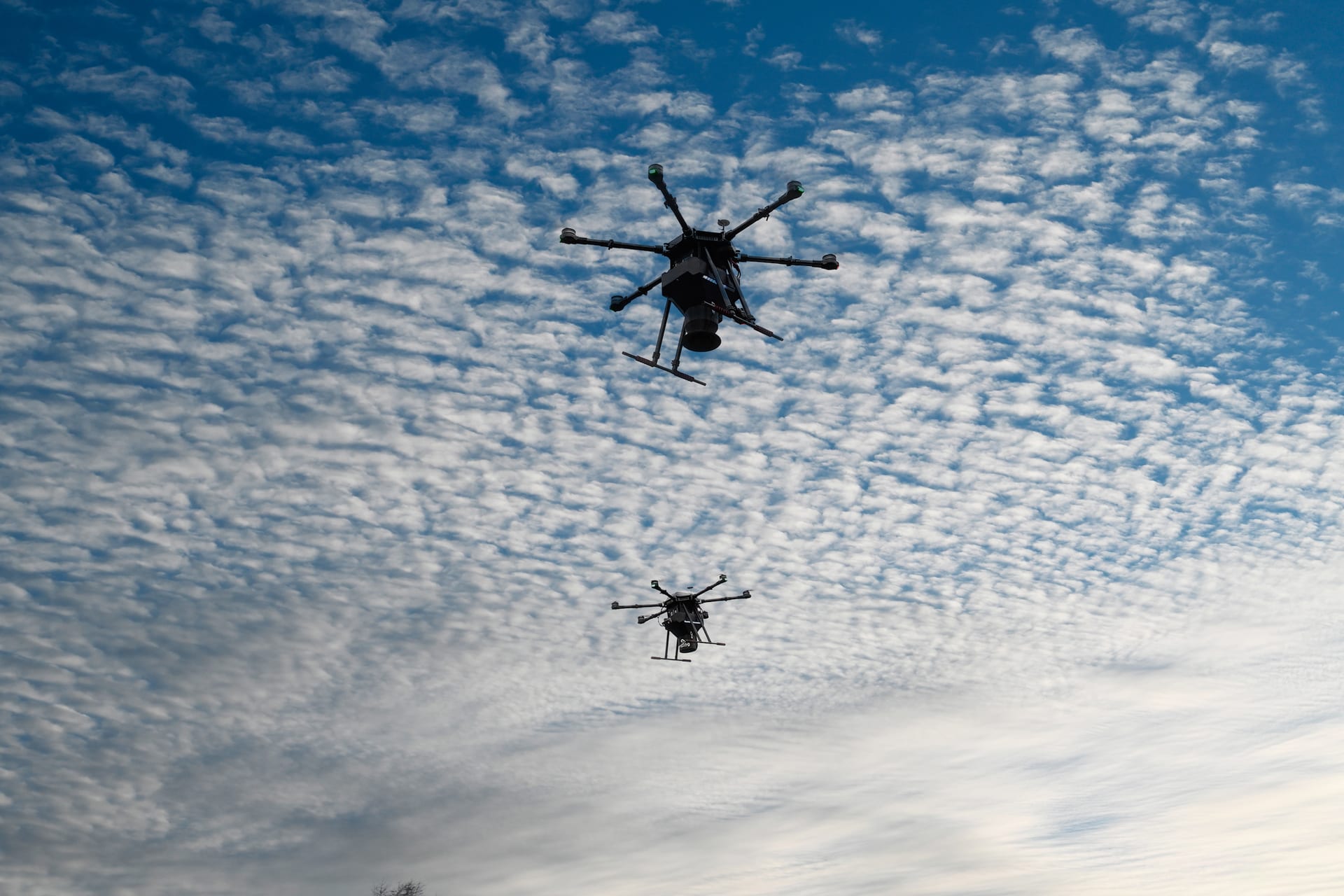
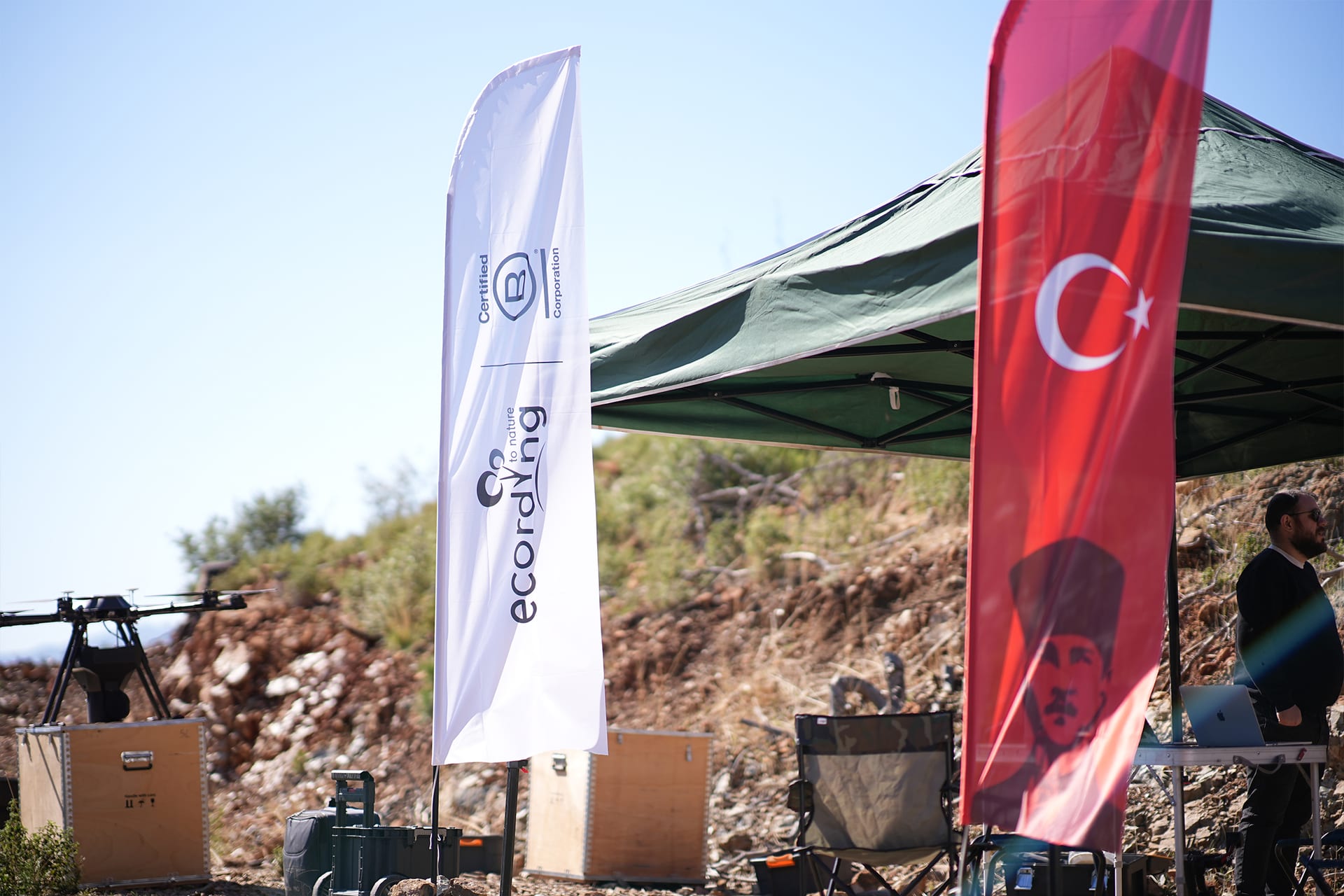
Today, satellite imagery, remote sensing, artificial intelligence and drones make it possible to monitor forests more effectively. These technologies make important contributions in areas such as early detection of forest fires, identifying diseases, monitoring biodiversity and planning restoration work.
When technological progress is combined with scientific forestry practice, it offers powerful tools for protecting forests and passing them on to future generations.
References
- FAO. Global Forest Resources Assessment (FRA).
- FAO. The State of the World’s Forests.
- IPCC. Special Report on Climate Change and Land.
- Global Forest Watch. globalforestwatch.org.
- General Directorate of Forestry of Türkiye (OGM). ogm.gov.tr.